
How to Start a Water Refilling Business in Kenya: Equipment, Approvals and Costs
- Test the raw water first: it decides UF or RO
- Size the plant by daily litres ÷ operating hours
- Approvals: county permit, public health, KEBS for packaged water, Water Resources Authority (WRA) for borehole abstraction
- Daily: sanitise nozzles, check TDS, log sales and filter changes
1. Location and water source
Good sites are estates with no piped drinking water, busy markets and near schools. Confirm a steady supply: municipal water, a borehole, or delivered water that you store in clean tanks.
2. Test the water
A laboratory test shows total dissolved solids (TDS), hardness, iron, fluoride and bacteria. The results decide the treatment:
- Low-salt municipal water: UF + UV is usually enough. See municipal UF stations.
- Salty or fluoride-rich borehole water: RO is needed. See RO vending stations.
Still unsure? Read RO vs UF: which should you buy?
3. Equipment
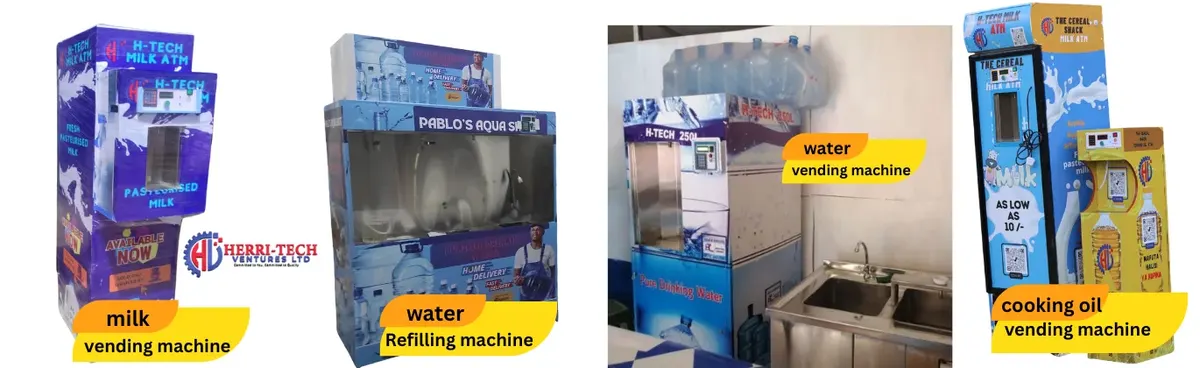
Current H-TECH water vending and refilling stations:
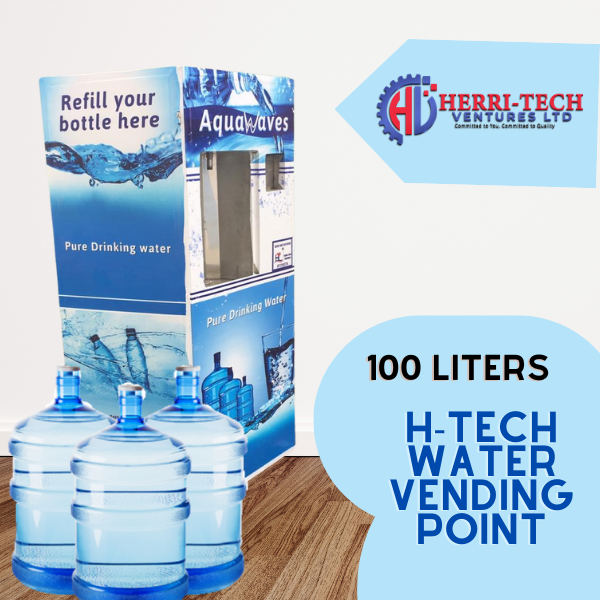 100 LITTERS WATER VENDING ATMKSh 120,000
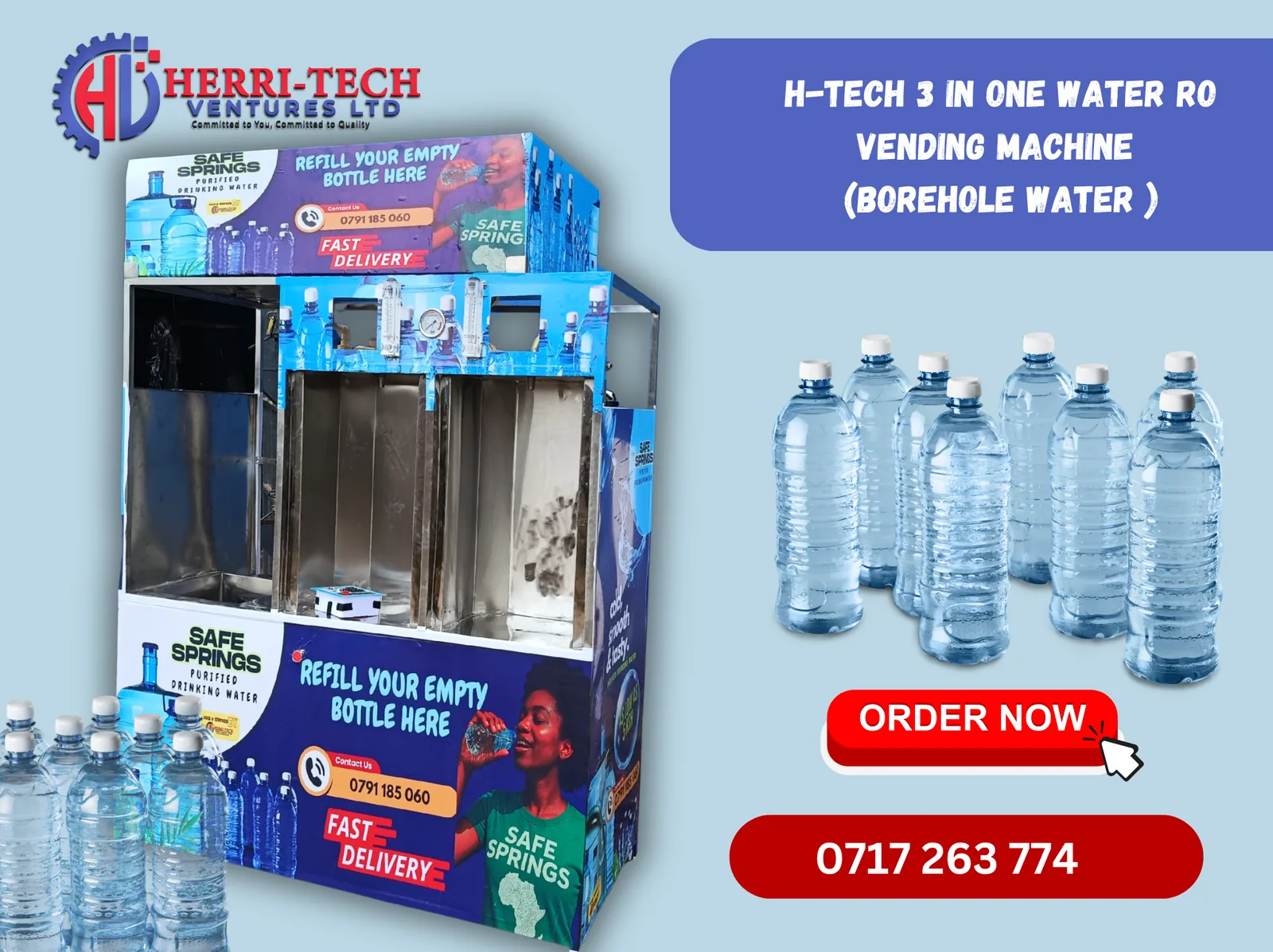
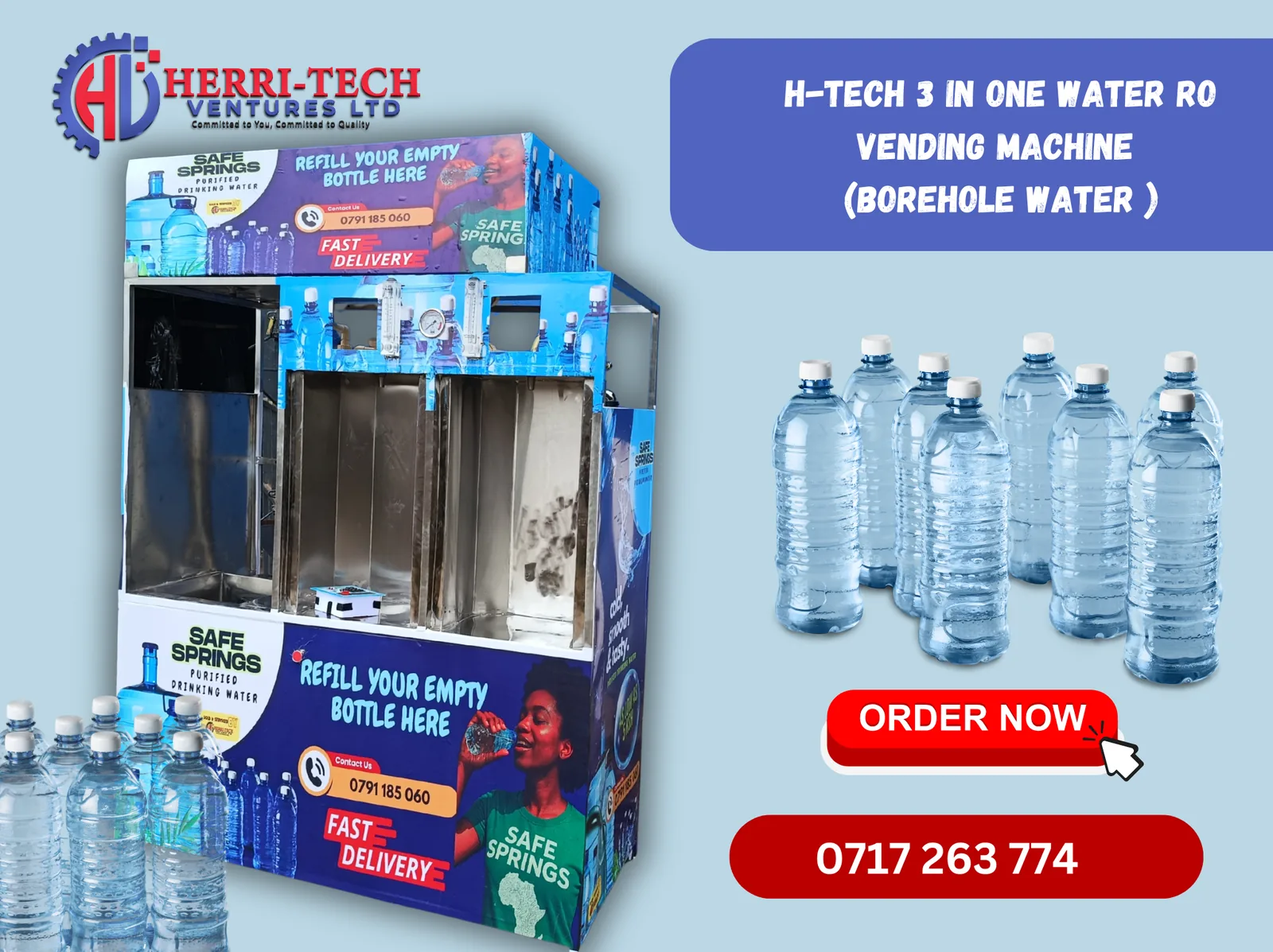 H-TECH 125 LPH 3-in-1 Borehole RO Water Vending MachineKSh 330,000
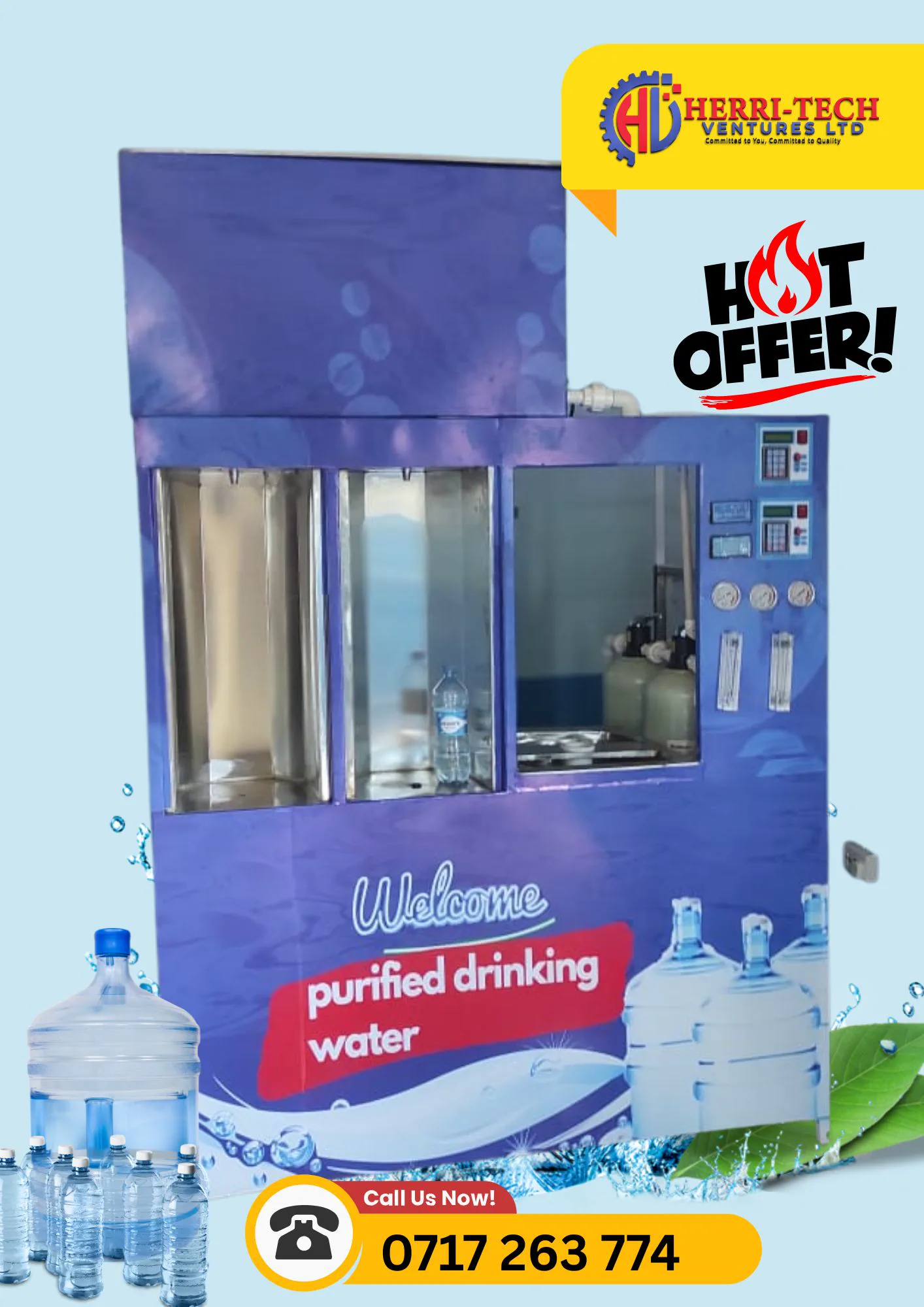 H-Tech RO Vending Station 125 LPHKSh 370,000
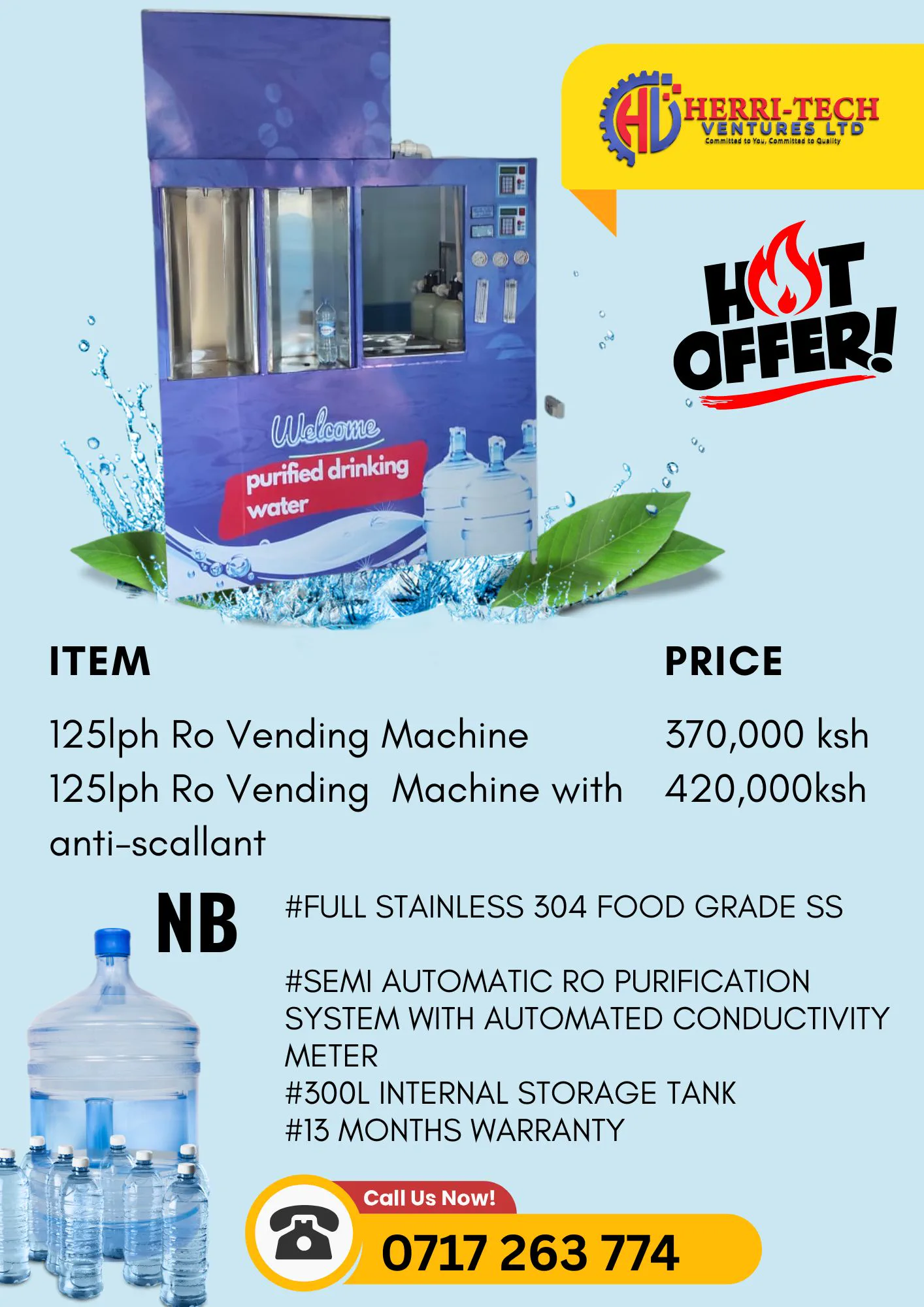 H-Tech RO Vending Station 125 LPH with AntiscalantKSh 420,000
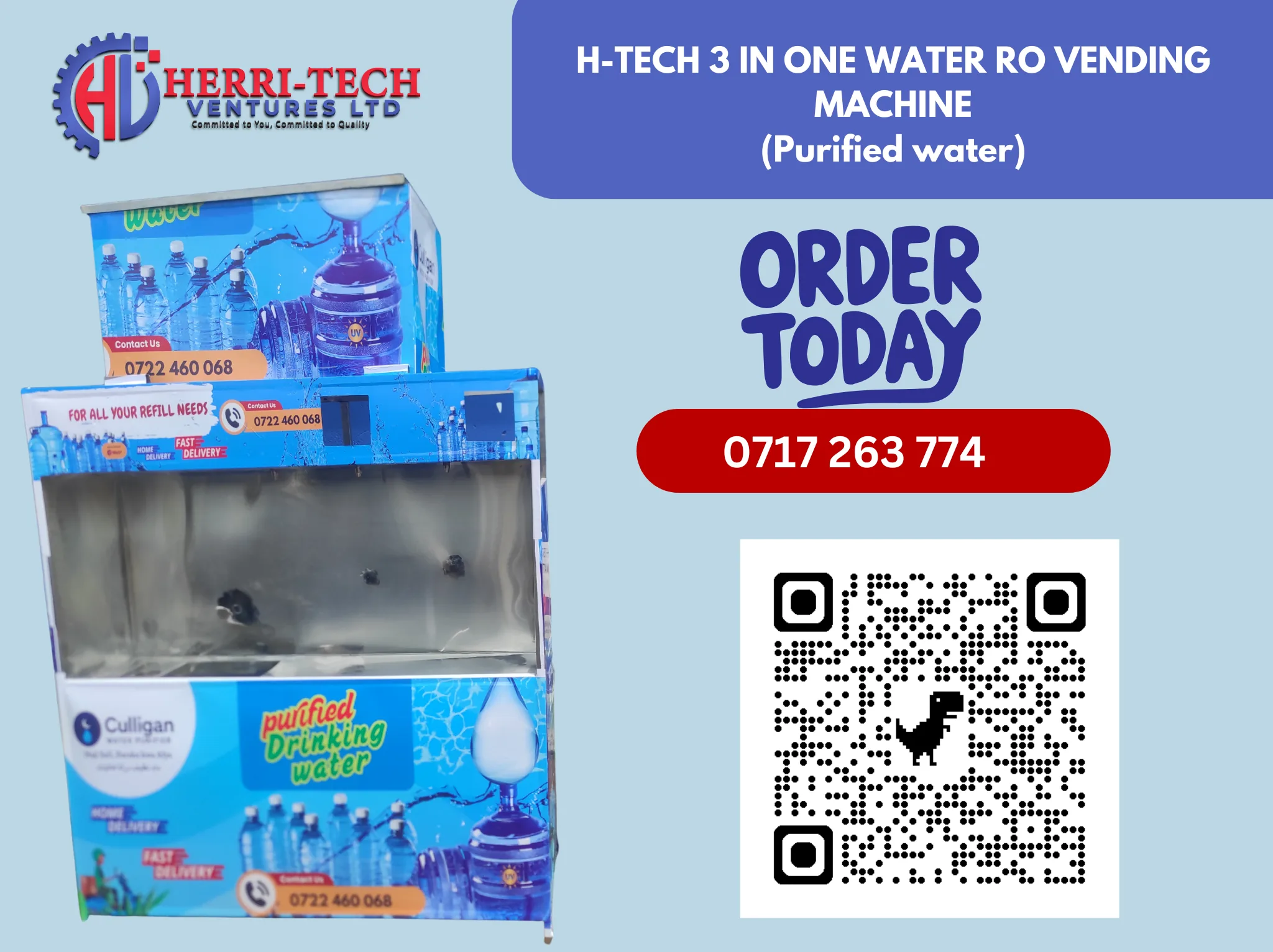 200 LITERS WATER VENDING MACHINEKSh 150,000
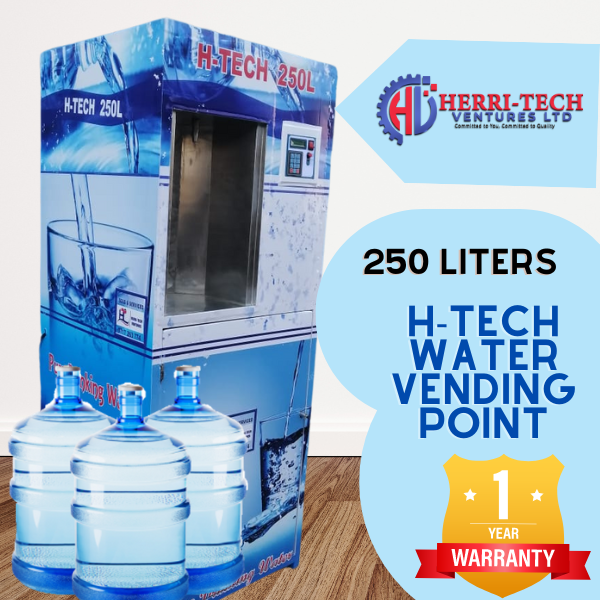 250 LITERS WATER ATM MACHINEKSh 170,000
Current listed prices incl. VAT (updated 29 September 2026). Full range: Water vending machines price list.
4. Approvals
- Business registration and KRA PIN.
- County Single Business Permit and public health inspection.
- If you use a borehole, check whether a water-use permit from the Water Resources Authority (WRA) is needed.
- If you sell sealed, packaged water, get it certified by KEBS.
5. Daily operations that keep customers coming back
- Check product-water TDS every morning and write it down.
- Sanitise refill nozzles and the filling area daily.
- Change pre-filters and service the RO or UF on schedule.
- Keep the shop clean and bright; customers judge water quality by what they see.
Frequently asked questions
How much does it cost to start a water refilling business in Kenya?
The main cost is the station (KSh 110,000–KSh 1,030,000 depending on type and capacity), plus premises, storage tanks, approvals and first bottles.
Is a water refilling business profitable?
It can be in areas without safe piped water and with steady foot traffic. Profit depends on daily litres sold, price per litre, rent and maintenance.
RO or UF for a refilling station?
UF for low-salt municipal water; RO for borehole water with high TDS, salt or fluoride.
Do I need KEBS certification?
Packaged (sealed) drinking water must be certified by KEBS. Ask your county public health office about refilling customer containers.