Batch Coding and Expiry Date Printing: Which Machine to Use
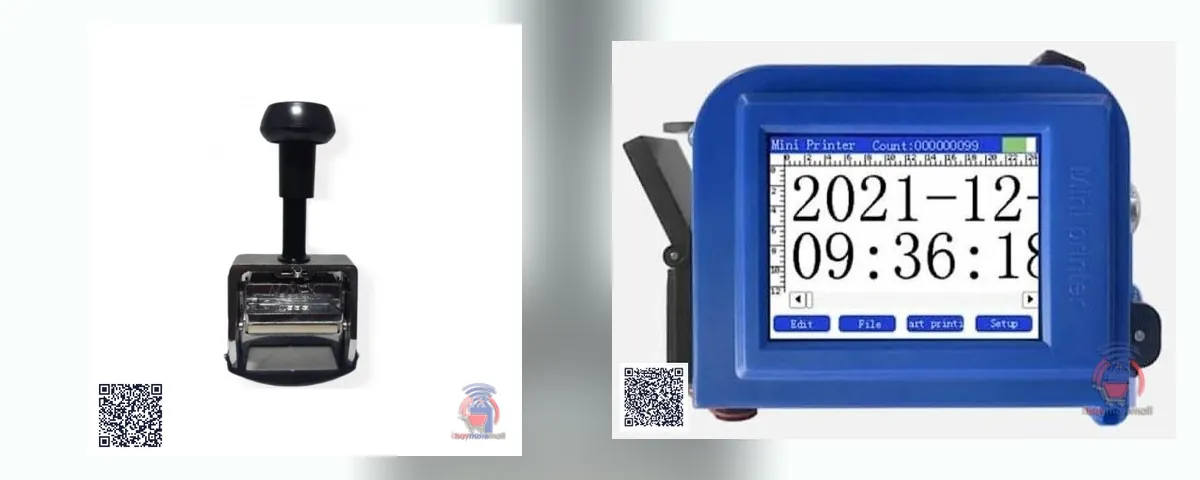
Quick answer: Every packaged food or drink should carry a batch number and dates so products can be traced. Small producers start with a batch coding stamp or hand roller; growing plants use a semi-automatic coder or a band sealer with a coder; high-speed lines use an inkjet printer on the conveyor.
Key facts
- Batch number + manufacture and expiry dates on every pack
- Stamp or roller for low volume
- Semi-automatic coder or band sealer for medium volume
- Inkjet printer for high-speed lines
Coding options
| Output | Coder |
|---|---|
| Low (by hand) | Batch coding stamp, hand roller for cartons |
| Medium | Manual or semi-automatic coding machine; band sealer with coder |
| High (conveyor line) | Inkjet printer |
Coding machines and prices
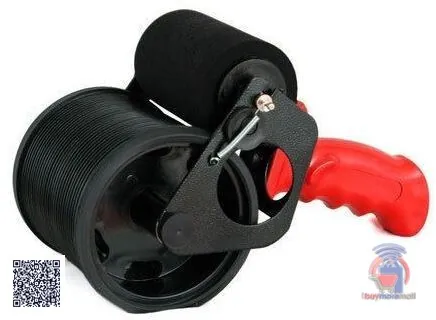 Hand-held Carton Box Roller Printer Manual Code & Spray Code Machine for Date CodingKSh 12,000
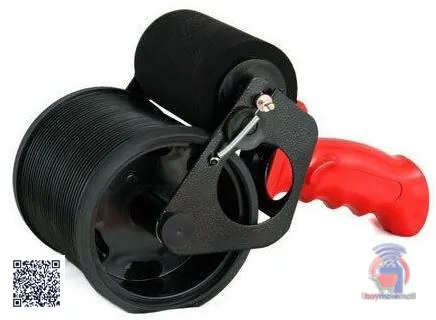 Manual Coding MachinesKSh 25,000
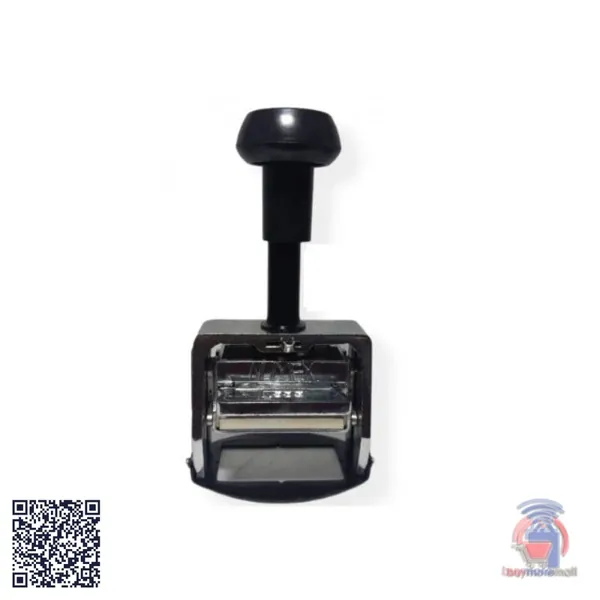 Batch Coding StampKSh 36,000
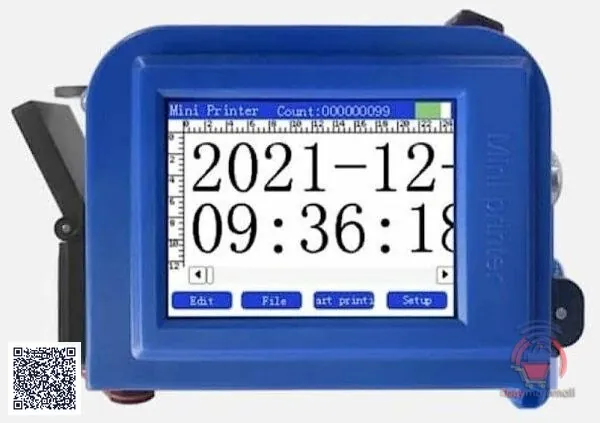 Semi-Automatic Coding MachinesKSh 86,000
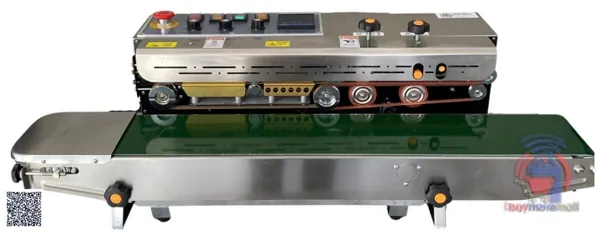 Solid-Ink coding Band Sealer KPL-FRD-1000KSh 170,000
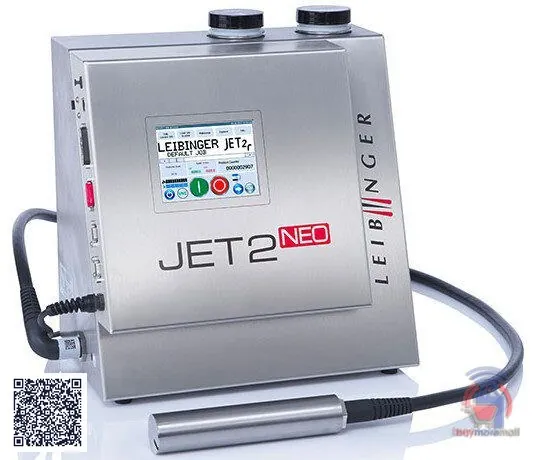 LEIBINGER JET2 NEO inkjet printerKSh 1,012,000
| Product | Price |
|---|---|
| Hand-held Carton Box Roller Printer Manual Code & Spray Code Machine for Date Coding | KSh 12,000 |
| Manual Coding Machines | KSh 25,000 |
| Batch Coding Stamp | KSh 36,000 |
| Semi-Automatic Coding Machines | KSh 86,000 |
| Solid-Ink coding Band Sealer KPL-FRD-1000 | KSh 170,000 |
| LEIBINGER JET2 NEO inkjet printer | KSh 1,012,000 |
Current listed prices incl. VAT (updated 30 September 2026).
What to print
- Batch or lot number.
- Date of manufacture and expiry (or best before) date.
- Confirm the exact labelling rules for your product with KEBS.
Related: labelling machines and sealing machines.
Frequently asked questions
Why do I need batch coding?
So each pack can be traced to its production batch, and customers can see the dates.
What is the cheapest way to print expiry dates?
A batch coding stamp or hand roller printer for low volumes.
Which coder suits a bottling line?
An inkjet printer on the conveyor for high speed; a semi-automatic coder for smaller plants.
Can I code plastic bags?
Yes. A band sealer with a coder seals and prints in one pass.