
Induction Sealing vs Heat Sealing: Choosing a Sealing Machine
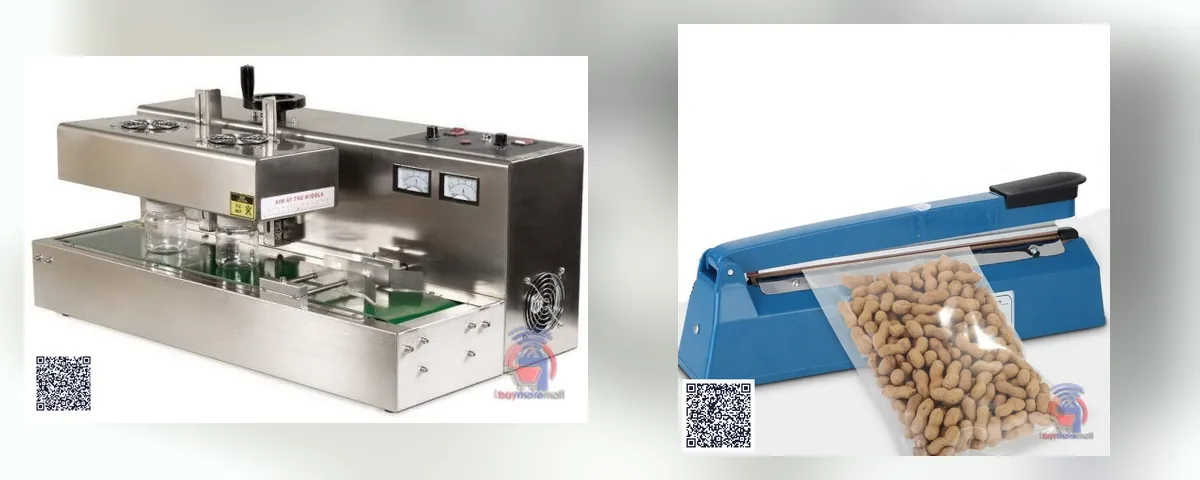
Quick answer: Use an induction sealer for bottles and jars: it melts a foil liner inside the cap onto the bottle neck to give a leak-proof, tamper-evident seal. Use a heat sealer (hand, foot or band sealer) for plastic bags, sachets and pouches. Many plants use both.
Key facts
- Bottles and jars → induction sealer + foil liners
- Bags, sachets and pouches → heat sealer
- Band sealers seal and code in one pass
- Tamper-evident seals build customer trust
On this page
Which sealer for which pack
| Pack | Sealer |
|---|---|
| Plastic bottles, jars | Induction sealer with induction liners |
| Plastic bags, low volume | Hand or foot operated heat sealer |
| Bags and pouches, continuous | Band sealer (some print a code as they seal) |
| Cups (yoghurt, water) | Cup sealer: see cup sealing |
Sealing machines and prices
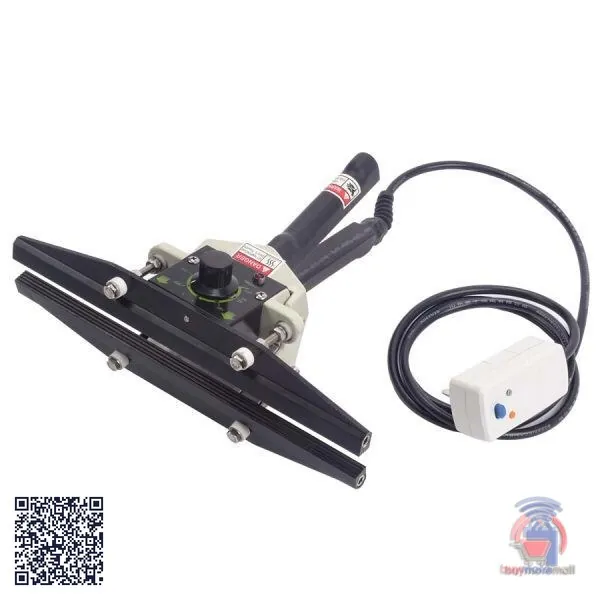 Hand Operated Sealing Machines(10cm)KSh 7,000
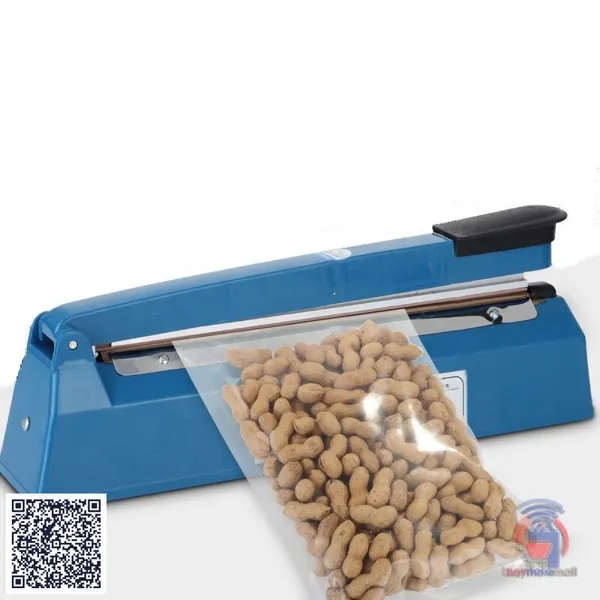 Plastic Bag Manual Heat Sealing Machine Mylar Bag Vacuum SealerKSh 17,000
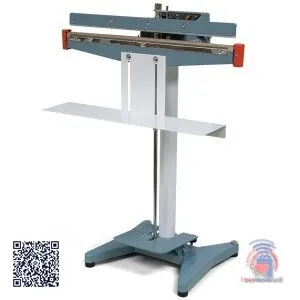 Foot Operated SealersKSh 90,000
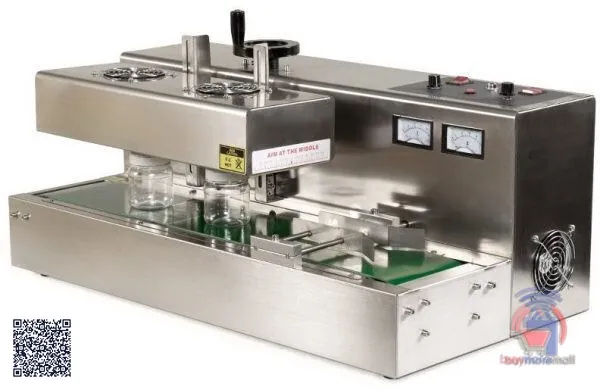 Automatic Induction Sealing MachinesKSh 260,000
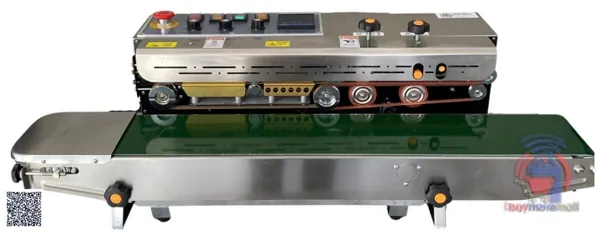 Solid-Ink coding Band Sealer KPL-FRD-1000KSh 170,000
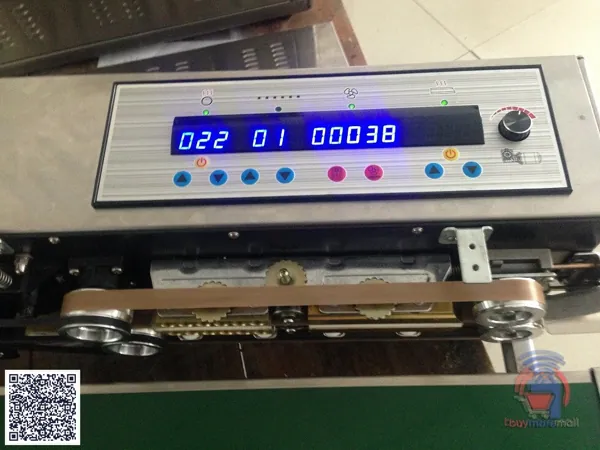 Nitrogen flushing continuous sealing machine KPL-FRQM-980CDKSh 290,000
| Product | Price |
|---|---|
| Hand Operated Sealing Machines(10cm) | KSh 7,000 |
| Plastic Bag Manual Heat Sealing Machine Mylar Bag Vacuum Sealer | KSh 17,000 |
| Foot Operated Sealers | KSh 90,000 |
| Automatic Induction Sealing Machines | KSh 260,000 |
| Solid-Ink coding Band Sealer KPL-FRD-1000 | KSh 170,000 |
| Nitrogen flushing continuous sealing machine KPL-FRQM-980CD | KSh 290,000 |
Current listed prices incl. VAT (updated 30 September 2026).
Consumables
| Product | Price |
|---|---|
| Induction Seal Liners | KSh 1,500 |
| Tamper Evident Security Seals | KSh 15,000 |
Current listed prices incl. VAT (updated 30 September 2026).
Tips for a good seal
- Match the induction liner to the cap size and bottle material.
- Test seals by squeezing or inverting a sample from every batch.
- Keep heat-sealer bars clean and the temperature steady.
Frequently asked questions
What is induction sealing?
A foil liner inside the cap is heated by an electromagnetic field and bonds to the bottle neck, making a leak-proof, tamper-evident seal.
Which sealer is best for plastic bags?
A hand or foot operated heat sealer for low volume, or a band sealer for continuous work.
Do I need special caps for induction sealing?
Yes, caps fitted with induction liners that match the bottle.
Can a sealer also print the date?
Yes, some band sealers have a coding unit that prints as they seal.