Home › Guides › Water treatment
How to Read a Water Test Report: What Each Result Means
Quick answer: A water test report lists each parameter, your result and the allowed limit. Compare each result with the limit in the Kenyan drinking-water standard (ask the laboratory or KEBS). The most important lines are the bacteria results (E. coli must be absent), fluoride, TDS, iron and hardness, because they decide which treatment you need.
Key facts
- Compare every result with the limit printed on the report
- Bacteria (E. coli) must be absent in drinking water
- Fluoride, TDS and salt → RO; iron → iron filter; hardness → softener
- Confirm limits in the Kenyan standard with KEBS
On this page
What each result tells you
| Parameter | If it is high | Usual treatment |
|---|---|---|
| E. coli / coliforms | Contaminated: not safe to drink | Disinfection (UV, chlorine) and fixing the source |
| TDS / conductivity | Salty or mineral taste | RO |
| Fluoride | Health risk over time (teeth and bones) | RO |
| Iron / manganese | Brown stains, metallic taste | Oxidation + media filter |
| Hardness | Scale on kettles, geysers, RO membranes | Softener |
| Turbidity | Cloudy water; stops UV working | Sediment / sand filter |
| pH | Too low: corrosive; too high: bitter taste | pH correction |
Test before and after treatment
Test the raw water to design the system, then test the treated water after installation to prove it works. Businesses selling water should test on a schedule and keep the reports.
Water testing instruments
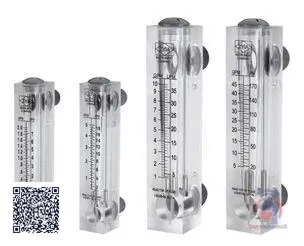 Flow Meters panel mountedKSh 2,900
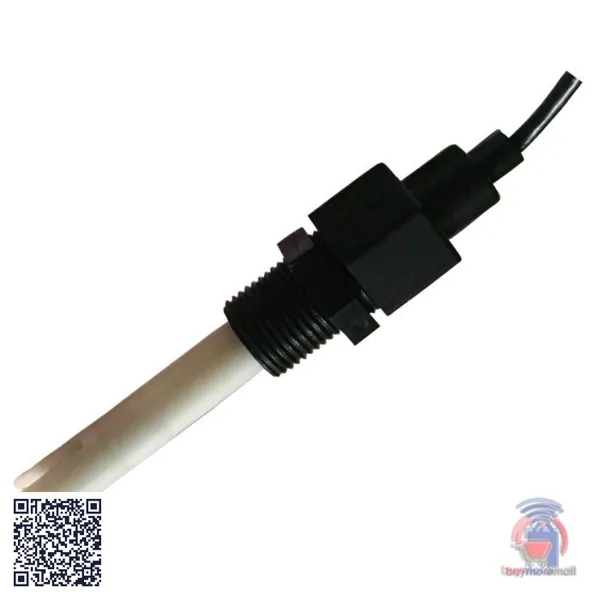 Conductivity ProbeKSh 3,000
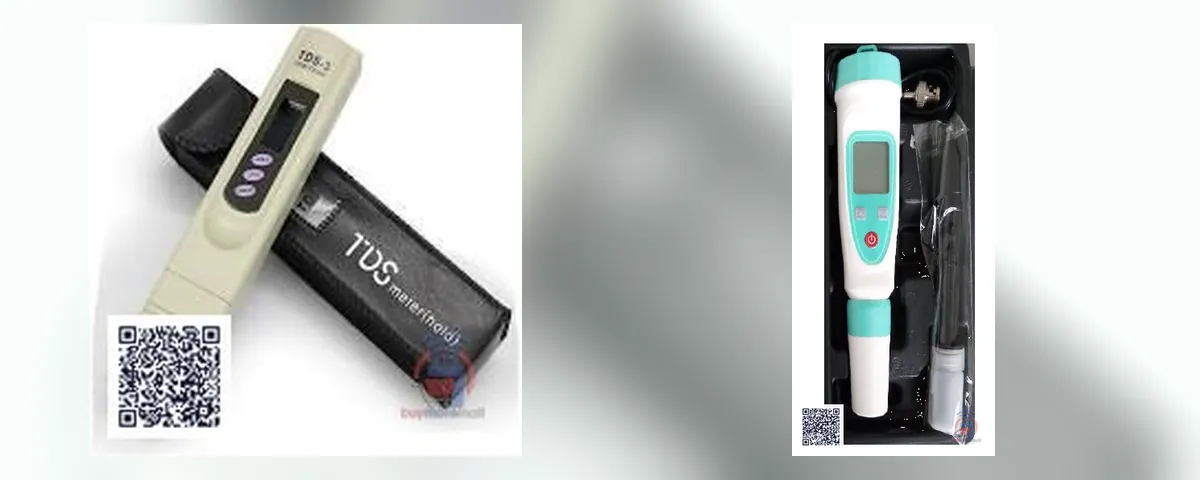
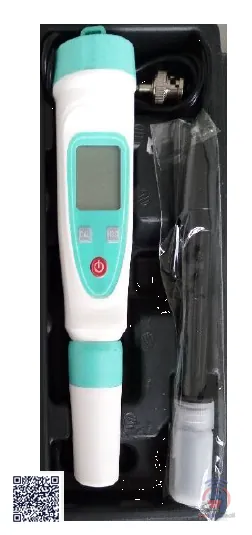 pH Handheld MeterKSh 4,500
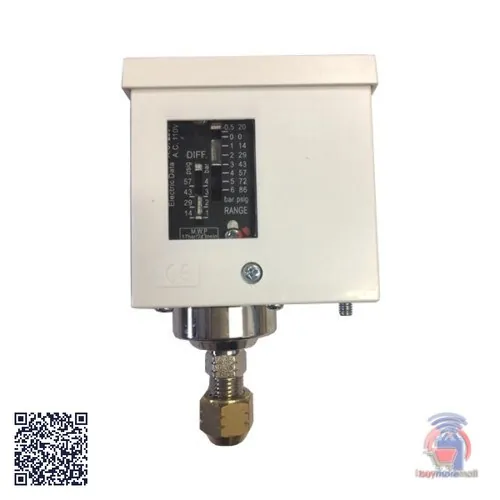 Pressure SwitchKSh 4,500
 TDS Handheld MeterKSh 6,500
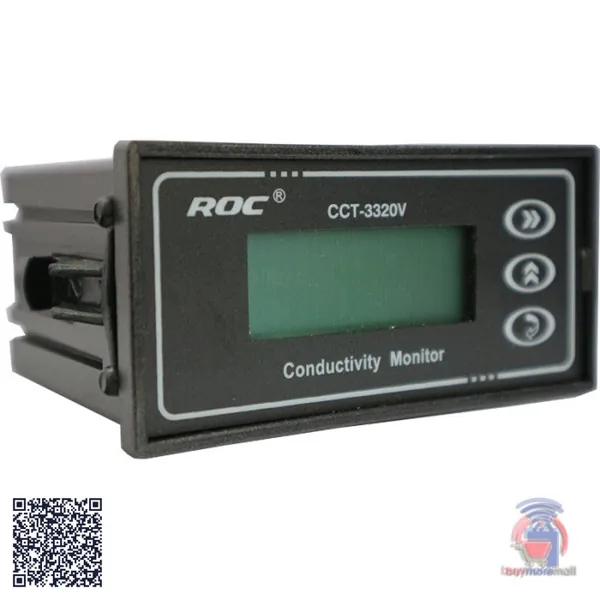 Conductivity Monitor – Model: CCT3320V (CM230)KSh 12,000
| Model | Size / capacity | Price |
|---|---|---|
| Flow Meters panel mounted | – | KSh 2,900 |
| Conductivity Probe | – | KSh 3,000 |
| pH Handheld Meter | – | KSh 4,500 |
| Pressure Switch | – | KSh 4,500 |
| TDS Handheld Meter | – | KSh 6,500 |
| Conductivity Monitor – Model: CCT3320V (CM230) | – | KSh 12,000 |
| Panel Mount RO Controller (RO-2015) | – | KSh 15,000 |
Current listed prices incl. VAT (updated 30 September 2026). Full range: Water treatment components.
Next: borehole water treatment and safe TDS levels.
Watch: ro purifiers and water atms
Frequently asked questions
Where can I get my water tested in Kenya?
Use an accredited laboratory; ask for the drinking-water parameters and limits.
What result means water is unsafe?
Any E. coli, or results above the limits for fluoride, nitrate or other health parameters.
Does a TDS meter replace a lab test?
No. A TDS meter is for daily checks; bacteria and fluoride need a laboratory test.
Can you design treatment from my report?
Yes. Send us the report and your daily litres and we will recommend a system.