
How to Start a Yoghurt Business in Kenya: Equipment, Process and Licences

- Process: heat milk (about 85–90 °C) → cool to about 42–45 °C → add culture → incubate 4–6 hours → chill
- Core equipment: pasteurizer, incubation, cold storage, packaging
- Licensing: Kenya Dairy Board (KDB) + county permits; KEBS for packaged products
- Hygiene and temperature records protect your brand
The yoghurt process
- Receive and test milk (a lactometer and alcohol test are the basics).
- Heat the milk, typically to about 85–90 °C, to kill bacteria and improve texture.
- Cool to about 42–45 °C.
- Add starter culture and mix.
- Incubate at that temperature for about 4–6 hours until it sets.
- Chill quickly, add flavour or fruit if you like, then pack and label.
Equipment you need
A batch pasteurizer is the heart of a small yoghurt business: it heats, holds and (with cooling) brings milk to incubation temperature.
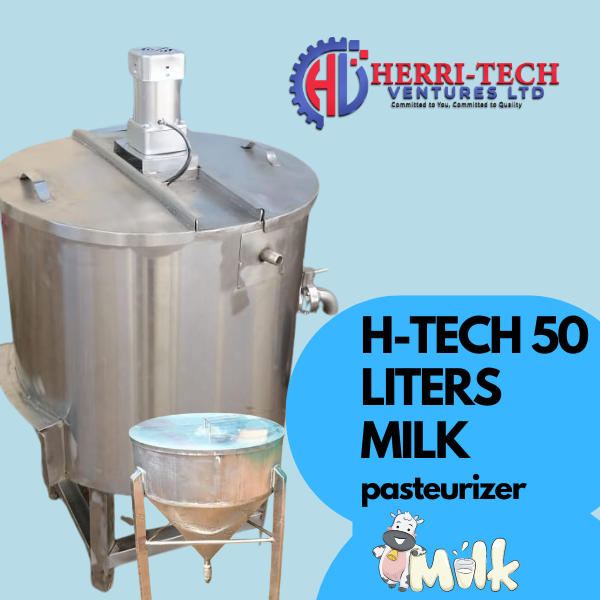 50 Liters Milk pasteuriserKSh 140,000
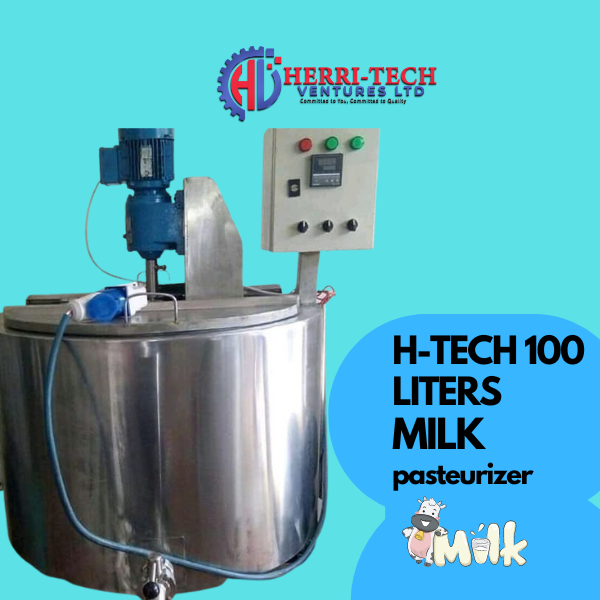 100l milk pasteuriser kenyaKSh 160,000
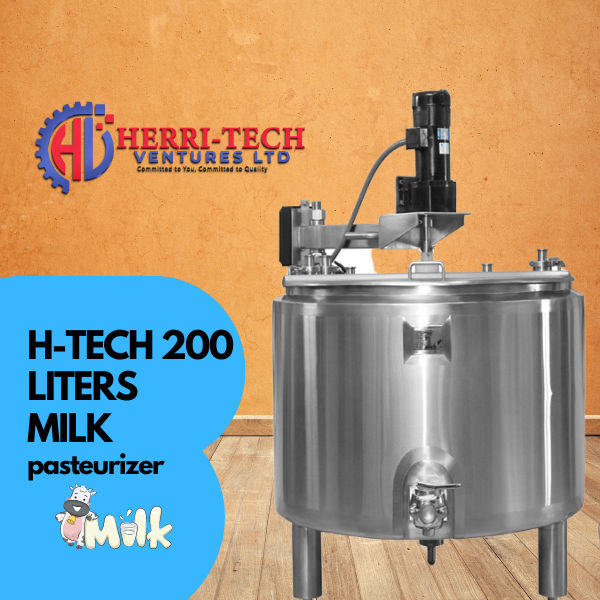 200 Liters Milk PasteuriserKSh 210,000
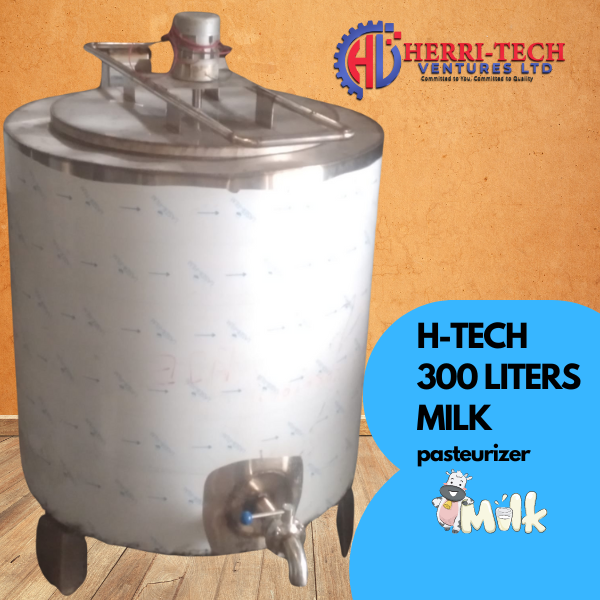 300 liters H-Tech milk pasteuriserKSh 270,000
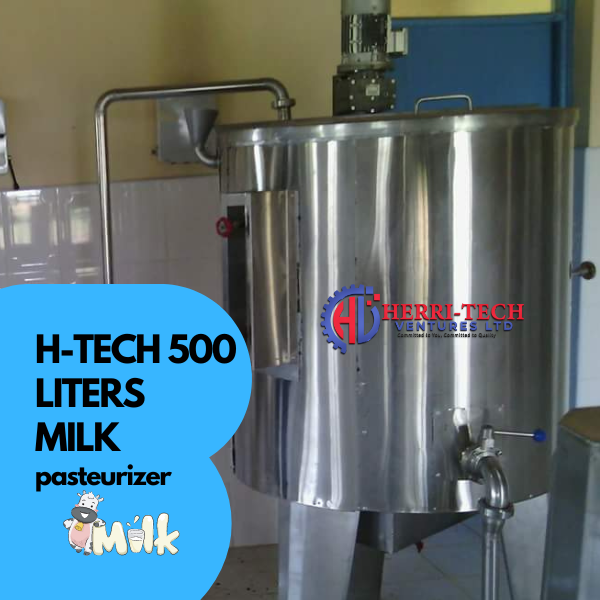 500 Liters milk pasteuriser machineKSh 320,000
| Model | Size / capacity | Price |
|---|---|---|
| 50 Liters Milk pasteuriser | 50 L | KSh 140,000 |
| 100l milk pasteuriser kenya | 100 L | KSh 160,000 |
| 200 Liters Milk Pasteuriser | 200 L | KSh 210,000 |
| 300 liters H-Tech milk pasteuriser | 300 L | KSh 270,000 |
| 500 Liters milk pasteuriser machine | 500 L | KSh 320,000 |
Current listed prices incl. VAT (updated 29 September 2026). Full range: Milk pasteurizers price list.
Also plan for incubation space, a chiller or cold room, packaging (cups or pouches and a sealer), and stainless utensils. Scaling up? A cream separator and dairy processing line lets you make cream and other products.
Read how to choose a milk pasteurizer.
Licences
- Dairy processing licence from the Kenya Dairy Board (KDB).
- County business permit and public health approval of the premises.
- KEBS certification for packaged yoghurt.
Frequently asked questions
What equipment do I need to make yoghurt?
A pasteurizer, incubation space, cold storage, packaging and a sealer, plus stainless utensils and testing basics.
At what temperature is yoghurt incubated?
Usually about 42–45 °C for 4–6 hours, depending on the culture.
Do I need a licence to sell yoghurt?
Yes: a dairy processing licence from the Kenya Dairy Board (KDB), county permits, and KEBS certification for packaged yoghurt.
Which pasteurizer size should I buy?
Size it by the litres of milk you will process per batch; many small processors start at 100–200 litres.