Home › Guides › Commercial kitchen equipment
LPG Gas Installation for a Restaurant or Institutional Kitchen: A Safety Guide
- Cylinders outside, ventilated cage
- Right regulator for the burner
- Fixed pipes + shut-off valves
- Leak-test with soapy water
On this page
Low-Pressure vs High-Pressure Burners
| Type | Used for | Regulator |
|---|---|---|
| Low-pressure cooker | Simmering stews, everyday cooking | Low-pressure regulator |
| High-pressure burner | Large sufurias, fast boiling and frying | Adjustable high-pressure regulator |
Never connect a low-pressure appliance to a high-pressure regulator. Compare models in the commercial gas cooker guide.
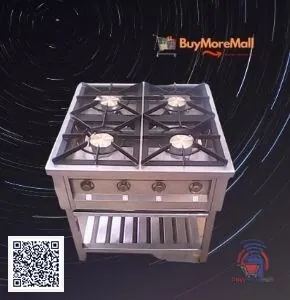 4 burner(jiko) low pressureKSh 38,000
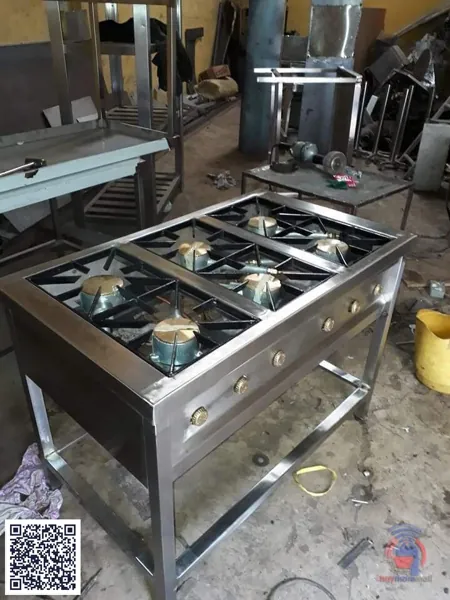 6 burner(cooker)KSh 50,000
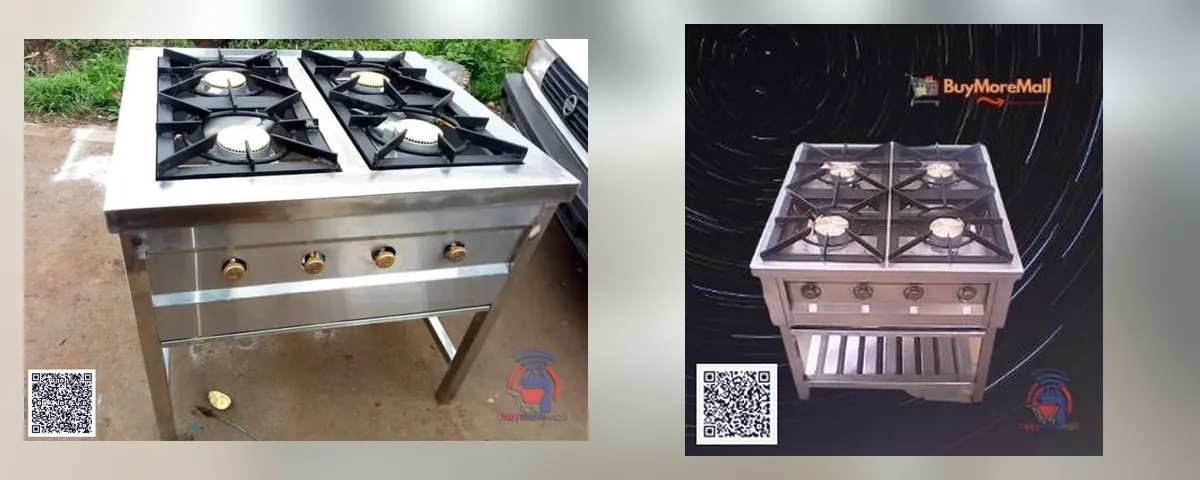
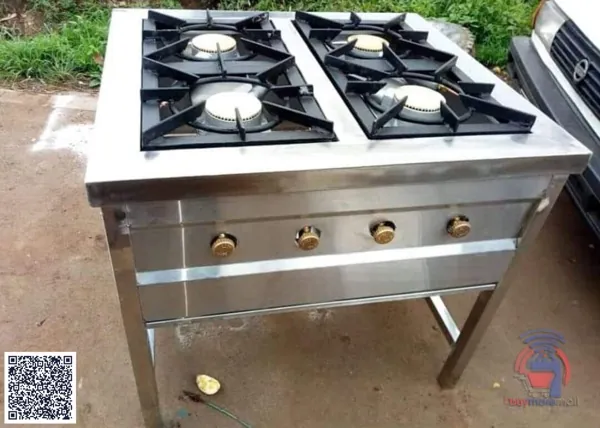 stainless commercial 4 burner high pressure cookerKSh 40,000
| Product | Price |
|---|---|
| 4 burner(jiko) low pressure | KSh 38,000 |
| 6 burner(cooker) | KSh 50,000 |
| stainless commercial 4 burner high pressure cooker | KSh 40,000 |
Current listed prices incl. VAT (updated 12 October 2026).
A Safe Commercial LPG Set-Up
- Cylinders outside the building in a ventilated, shaded, lockable cage on a firm base, away from drains and ignition sources.
- Manifold and regulator sized for the total burner load.
- Fixed pipework (rigid, correctly rated pipe) run along walls and clipped, not loose hose across the floor.
- Isolation valve at each appliance and a main shut-off at the cylinder store.
- Short approved hose only for the final connection to a cooker.
- Leak test all joints with soapy water before first use.
Regulation in Kenya
LPG is regulated by the Energy and Petroleum Regulatory Authority (EPRA). Buy cylinders from licensed dealers, use a qualified installer and check current EPRA requirements for commercial installations. Your county fire department also inspects kitchens with gas before issuing a fire safety certificate.
Daily and Weekly Checks
- Smell for gas when opening the kitchen; ventilate before lighting anything if you do.
- Check hoses for cracks and stiffness; replace them when worn.
- Turn off appliance valves and the main valve at closing time.
- Keep burners clean so flames burn blue, not yellow.
If You Smell Gas
- Do not switch lights or appliances on or off.
- Turn off the gas at the cylinder.
- Open doors and windows.
- Get everyone out and call the installer or the fire service from outside.
Plan It With the Kitchen Layout
Place the cooking line on an outside wall near the cylinder store to keep pipe runs short. See the kitchen layout guide and school kitchen guide.
Frequently asked questions
Where should gas cylinders be kept in a restaurant?
Outside the building in a ventilated, lockable cage away from drains and ignition sources.
What is the difference between low and high pressure gas burners?
High-pressure burners give a bigger, hotter flame for large pots; each needs the matching regulator.
How do I check for a gas leak?
Brush soapy water on joints; bubbles show a leak. Never use a flame.
Who regulates LPG in Kenya?
The Energy and Petroleum Regulatory Authority (EPRA).
How often should gas hoses be replaced?
Whenever they crack, stiffen or are damaged, and on the manufacturer’s schedule.