
Pump Size Calculator: Total Head, Flow and Motor Power

Quick answer: A pump is sized by flow (how much water per minute or hour) and total head (vertical lift + pipe friction + pressure needed at the outlet, where 1 bar ≈ 10.2 metres). Motor power ≈ flow × head × 9.81 ÷ pump efficiency. The calculator gives an estimate; confirm the final model on the maker's pump curve.
Key facts
- Total head = lift + friction + outlet pressure
- 1 bar ≈ 10.2 metres of head
- Power (kW) ≈ flow (m³/s) × head (m) × 9.81 ÷ efficiency
- Always check the pump curve
On this page
Pump Size Calculator
Example figures only: replace them with your own. Results update as you type.
Flow (m³ per hour)–
Total head (metres)–
Estimated motor power (kW)–
Estimated motor power (HP)–
Friction allowance and efficiency are rules of thumb you can change. Long or narrow pipes add more friction; small pumps are often less efficient.
What Each Figure Means
| Figure | How to get it |
|---|---|
| Flow | The number of taps or outlets used at once, or the litres per hour you need to fill a tank |
| Vertical lift | From the water level (in the borehole or tank) to the highest outlet or tank inlet |
| Friction | Losses in pipes, bends and valves; more for long, narrow pipes |
| Outlet pressure | About 1–2 bar for comfortable taps and showers |
Then Read the Pump Curve
Each pump has a curve of head against flow. Pick one where your flow and head fall in the middle of the curve, not at its ends. See how to choose a pump and pump types.
Pumps and Controllers
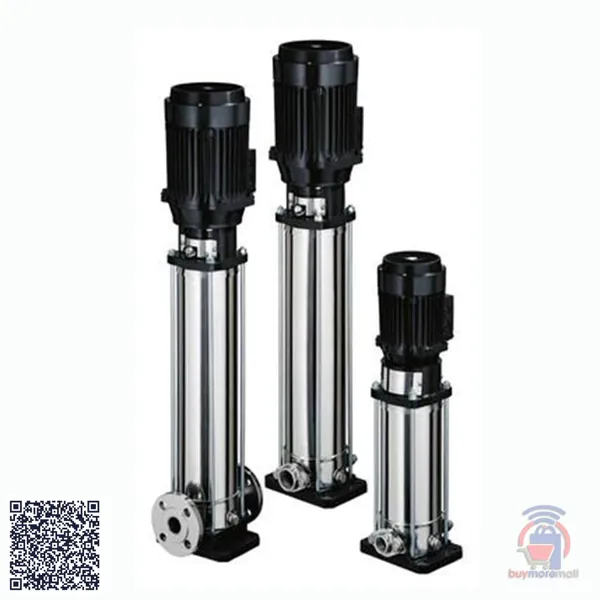 CNP CDLF2-11 Vertical Multistage Pump, 1.1Kw, Single PhaseKSh 85,000
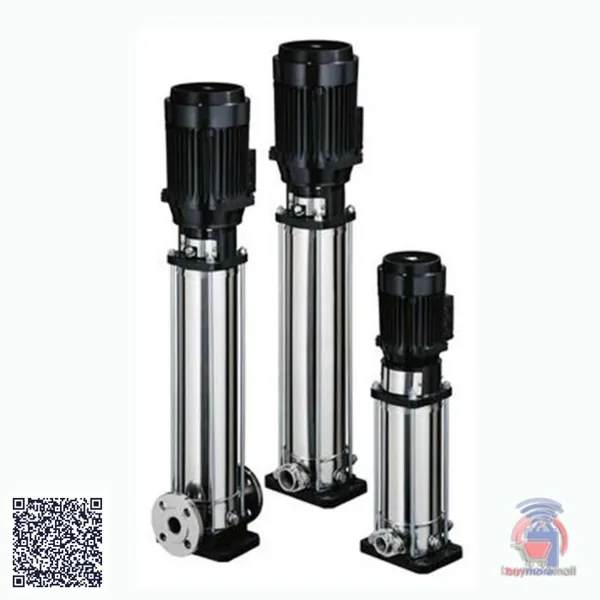 CNP CDLF2-15 Vertical Multistage Pump, 1.5Kw, Single PhaseKSh 115,000
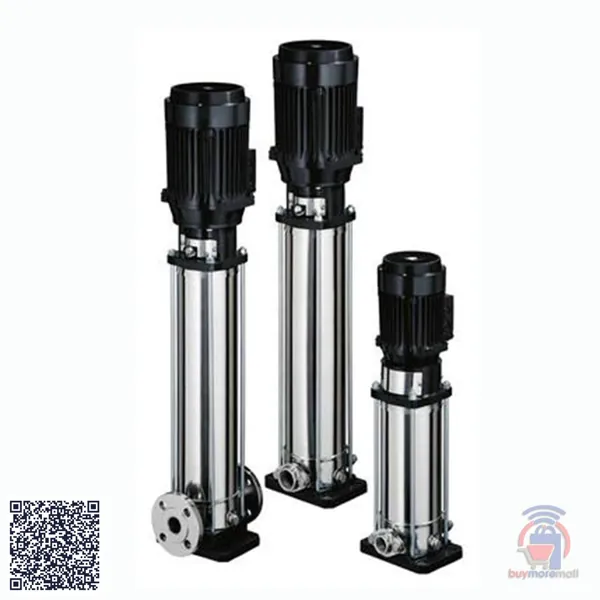 CNP CDLF2-22 Vertical Multistage Pump, 2.2Kw, Single PhaseKSh 95,000
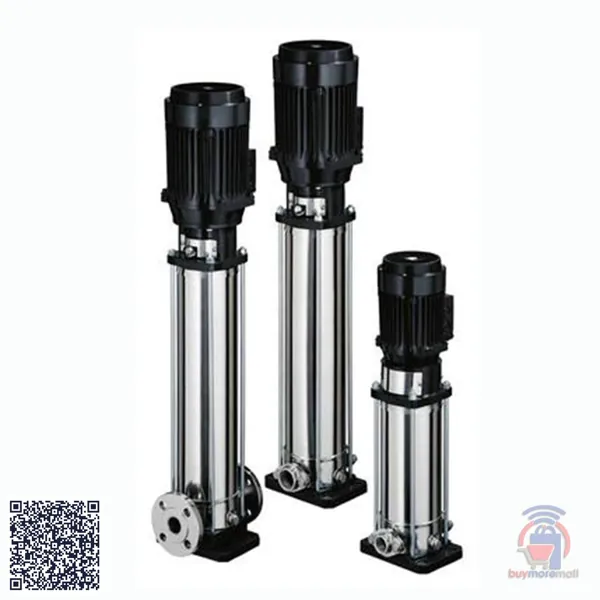 CNP CDMF3-16 Vertical Multistage Pump, 1.5Kw, Single PhaseKSh 110,000
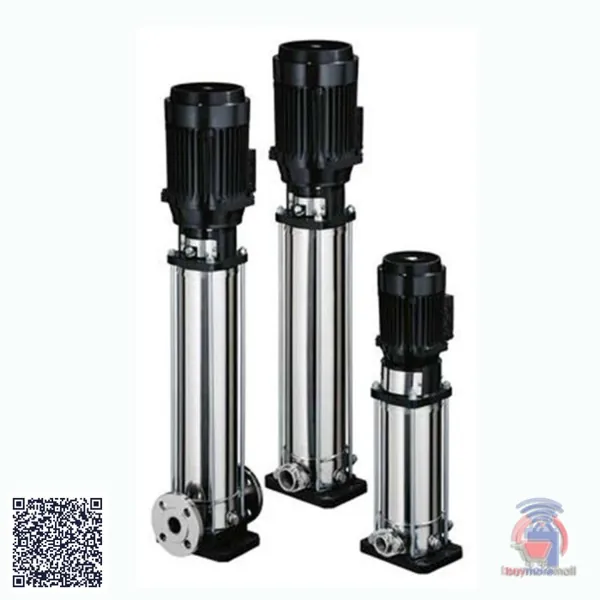 CNP CDMF3-24 Vertical Multistage Pump, 2.2Kw, Single PhaseKSh 130,000
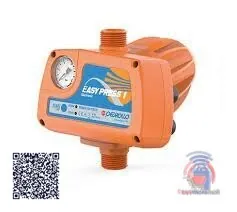 PEDROLLO EASY PRESS PUMP CONTROLLERKSh 24,000
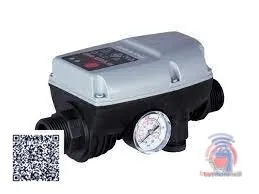 DAYLIFF BRIO PUMP CONTOLLERKSh 18,530
Current listed prices incl. VAT (updated 4 October 2026).
Frequently asked questions
How do I calculate pump head?
Add the vertical lift, pipe friction losses and the pressure needed at the outlet (1 bar ≈ 10.2 m).
How do I choose pump horsepower?
Estimate power from flow and head divided by efficiency, then confirm on the pump curve.
What is total dynamic head?
The total height the pump must work against: lift plus friction plus outlet pressure.
How many bar is 10 metres of head?
About 1 bar.