
RO Membrane Housings and Pressure Vessels: Choosing, Installing and Servicing
- Match vessel to membrane size
- Check pressure rating
- FRP vs stainless
- Brine seal on the inlet end
On this page
Types of RO Membrane Housing
| Type | Membrane | Used in |
|---|---|---|
| Domestic housing | 1812 / 2012 small membranes | Under-sink purifiers |
| 2.5" vessel | 2521 / 2540 | Small commercial units |
| 4" vessel | 4021 / 4040 | Refill stations, hotels, small plants |
| 8" vessel | 8040 | Large commercial and industrial plants |
FRP vs Stainless Steel Housings
| FRP (fibreglass) | Stainless steel | |
|---|---|---|
| Corrosion | Will not rust; good for brackish and salty water | Excellent in fresh water; 316 needed for salty water |
| Weight | Light | Heavier |
| Look and cleaning | Industrial | Hygienic look, easy to wipe |
| Price | Usually lower at larger sizes | Often higher |
Pressure Ratings and Ports
Brackish-water vessels are commonly rated around 300 psi; seawater systems need higher-rated vessels (about 1,000 psi and above). End-port vessels have connections on the end caps; side-port vessels connect on the side, which makes multi-vessel piping neater. Always match the vessel rating to the maximum pressure your high-pressure pump can produce.
Membrane Housings and Vessels at H-TECH
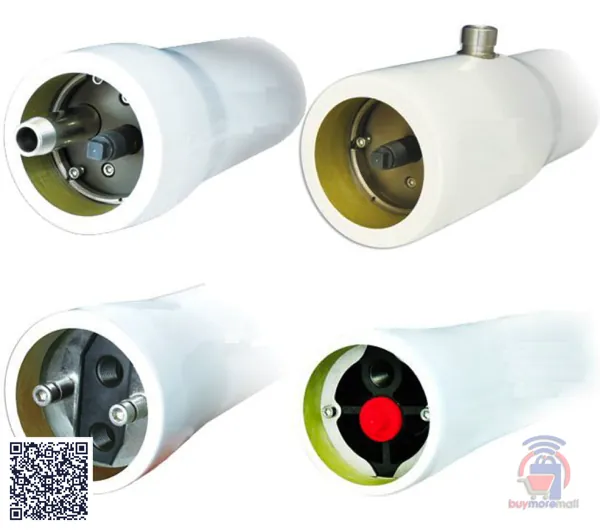 FRP Membrane HousingsKSh 10,800
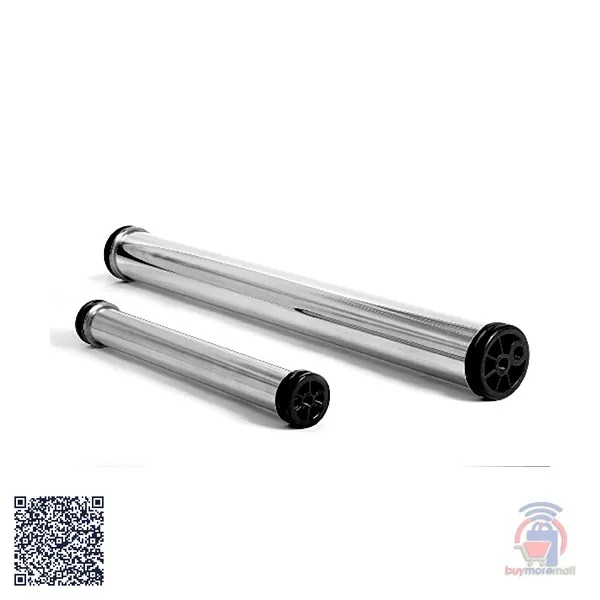 Stainless Steel Membrane Housings, End Entry PortKSh 23,400
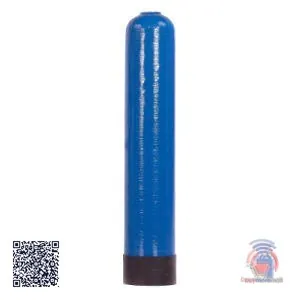 820 frp pressure vesselKSh 14,000
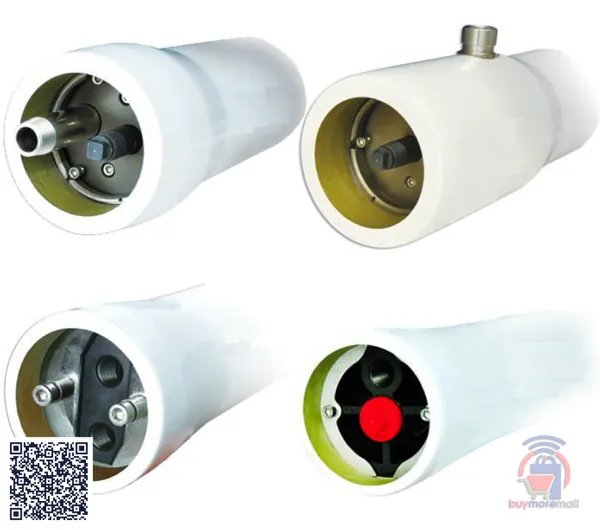 FRP End Port 4040-1 Membrane HousingKSh 13,755
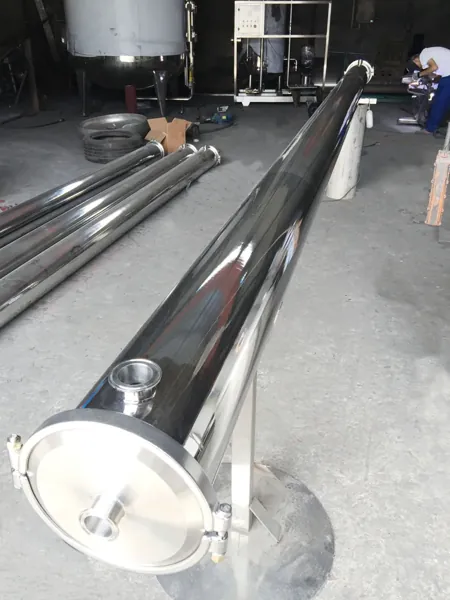 4080 (4"with seam) Stainless Steel Membrane HousingKSh 12,576
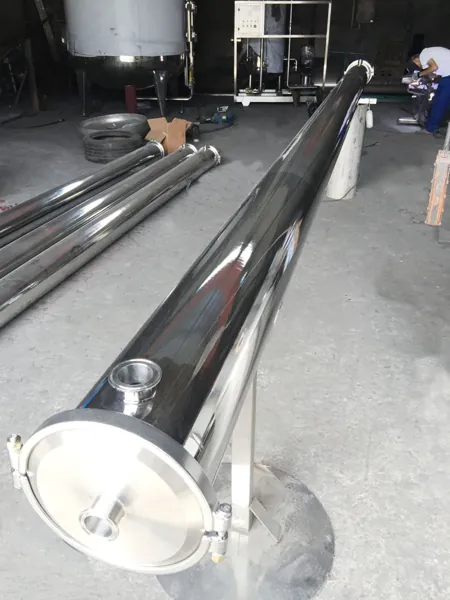 End Port 4014 (4"seamless) Stainless Steel Membrane HousingKSh 10,218
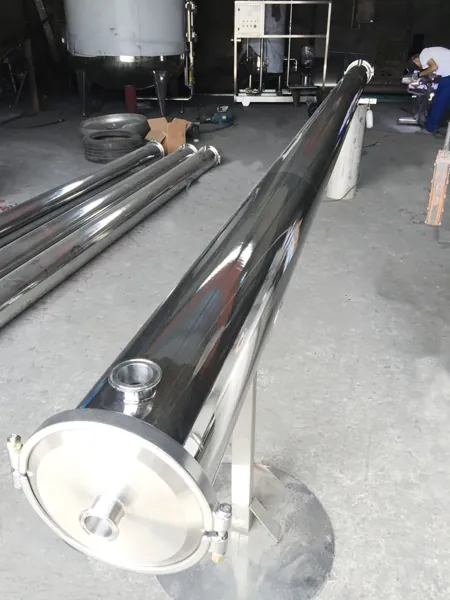 End Port 4021 (4"seamless) Stainless Steel Membrane HousingKSh 12,969
| Product | Price |
|---|---|
| FRP Membrane Housings | KSh 10,800 |
| Stainless Steel Membrane Housings, End Entry Port | KSh 23,400 |
| 820 frp pressure vessel | KSh 14,000 |
| FRP End Port 4040-1 Membrane Housing | KSh 13,755 |
| 4080 (4"with seam) Stainless Steel Membrane Housing | KSh 12,576 |
| End Port 4014 (4"seamless) Stainless Steel Membrane Housing | KSh 10,218 |
| End Port 4021 (4"seamless) Stainless Steel Membrane Housing | KSh 12,969 |
Current listed prices incl. VAT (updated 18 November 2026).
How to Install an RO Membrane in a Housing
- Isolate and depressurise the system.
- Open the housing (unscrew the cap, or remove the retaining ring on a commercial vessel).
- Lubricate the O-rings and brine seal with a food-safe silicone lubricant or glycerine.
- Insert the membrane in the direction of flow, brine seal end first into the feed end.
- Push it fully home so the product tube seats on the cap adaptor.
- Refit the cap, flush the first water to drain as the membrane maker instructs, then check for leaks.
How to Open a Stuck Housing and Clean It
Domestic housings open with their housing spanner; never use pliers. For commercial vessels, follow the maker’s retaining-ring procedure. Clean the housing with a soft brush and a food-safe sanitiser when you change membranes, and replace worn O-rings. Membrane cleaning chemicals and steps: see RO system maintenance.
Mistakes to Avoid
- Installing the membrane backwards (brine seal at the wrong end).
- Dry O-rings that roll and leak.
- Vessels rated lower than the pump’s maximum pressure.
- Cross-threading plastic caps.
Watch: RO purifiers and water ATMs
Frequently asked questions
How do I install an RO membrane in the housing?
Lubricate the seals, then push the membrane in with the brine seal end first into the feed end, seat it fully and close the housing.
Which is better, FRP or stainless steel membrane housing?
FRP resists corrosion and is light, ideal for brackish water; stainless looks hygienic and suits fresh water, with 316 needed for salty water.
What does 4040 mean on a membrane?
4040 means a membrane about 4 inches in diameter and 40 inches long; the vessel must match.
How do I open an RO membrane housing?
Depressurise first, then use the housing spanner for domestic housings or follow the retaining-ring steps for commercial vessels.
Why is my membrane housing leaking?
Dry, worn or pinched O-rings, a cross-threaded cap or pressure above the housing rating.