
How to Clean an RO Membrane: Signs, Chemicals and the CIP Procedure
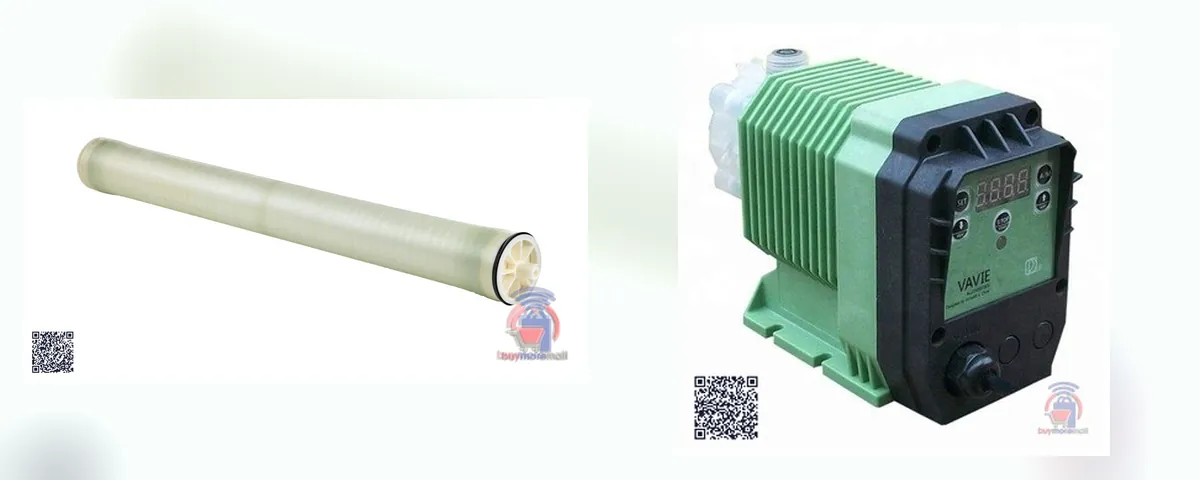
- Clean at 10–15% change
- Acid = scale, alkaline = organics
- Low pressure CIP
- Follow maker's limits
On this page
Signs Your Membrane Needs Cleaning
| Symptom | Likely cause | Cleaning |
|---|---|---|
| Less product water, higher pressure needed | Scale or fouling | Acid and/or alkaline |
| Higher TDS in product water | Scale on the tail-end membranes | Acid |
| Higher pressure drop on the first membranes | Silt, organics, biofilm | Alkaline |
| Slime, bad smell | Biofouling | Alkaline, then disinfection per maker |
Keep a daily log of pressures, flows, TDS and temperature; you cannot spot a 10% change without one. See RO maintenance.
Clean-in-Place (CIP) Step by Step
- Flush the system with RO permeate or clean low-chlorine water.
- Mix the cleaning solution in the CIP tank with permeate, to the product label and membrane maker's pH limits.
- Circulate at low pressure (just enough to move solution; no permeate production) through the membranes and back to the tank.
- Soak for the time the cleaner's instructions give.
- Recirculate again; if the solution changes colour or pH drifts, top up or replace it.
- Flush thoroughly with clean water until pH and conductivity are normal.
- Restart and send the first product water to drain until quality is back to normal.
Usual order where both are needed: alkaline first (organics), then acid (scale), unless the membrane maker recommends otherwise.
Membranes, Dosing and Housings at H-TECH
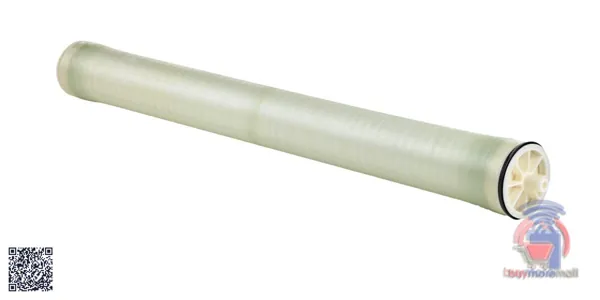 LP-4040 RO MembraneKSh 26,500
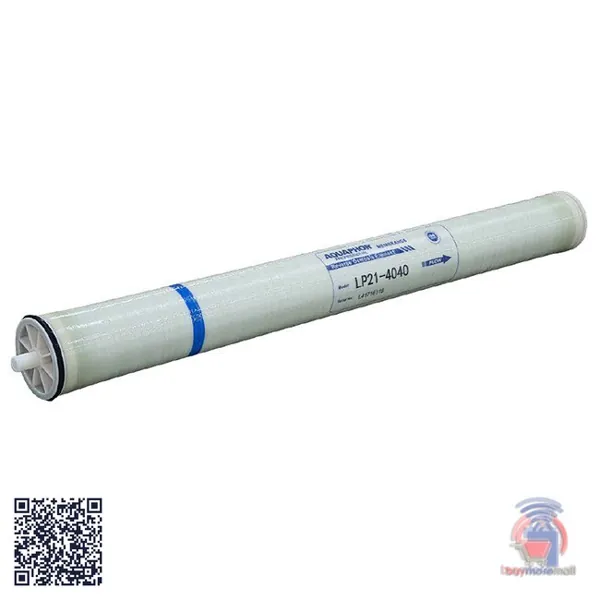 LP21-4040 RO MembraneKSh 33,405
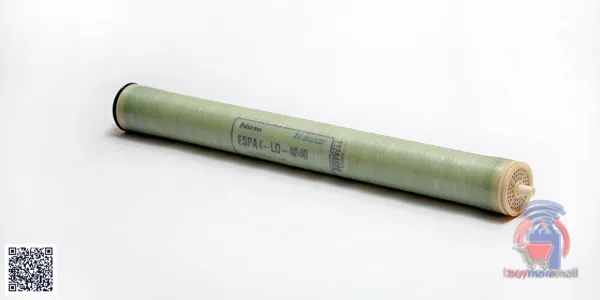 ESPA2-4040 RO MembraneKSh 62,400
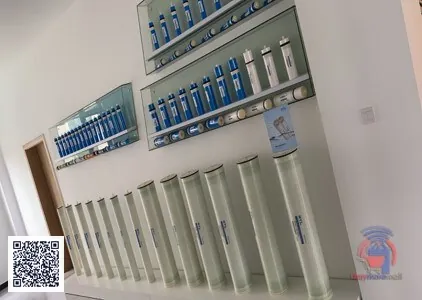 LP-8040 MembraneKSh 102,570
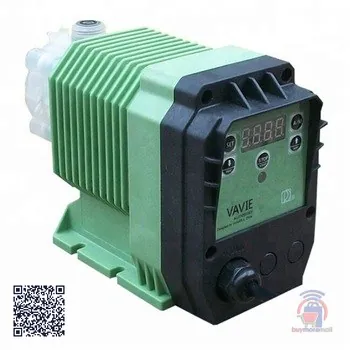 H-TECH Chemical Dosing Pump RangeKSh 23,000
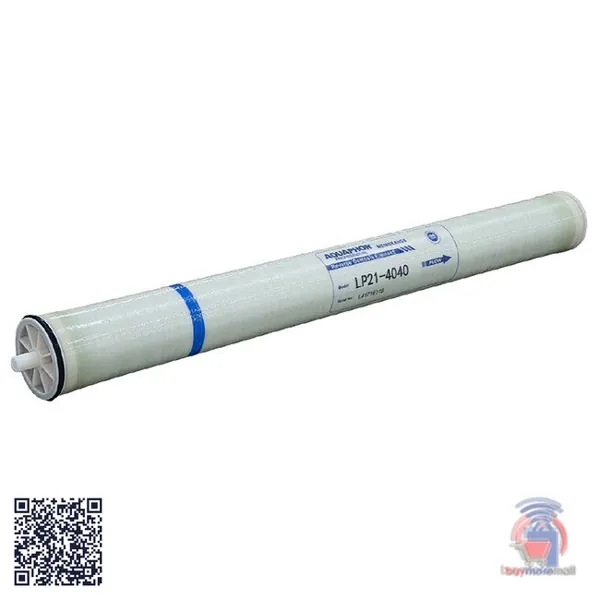 H-TECH RO Membrane Replacement RangeKSh 1,750
| Product | Price |
|---|---|
| LP-4040 RO Membrane | KSh 26,500 |
| LP21-4040 RO Membrane | KSh 33,405 |
| ESPA2-4040 RO Membrane | KSh 62,400 |
| LP-8040 Membrane | KSh 102,570 |
| H-TECH Chemical Dosing Pump Range | KSh 23,000 |
| H-TECH RO Membrane Replacement Range | KSh 1,750 |
Current listed prices incl. VAT (updated 10 November 2026).
Prevent Fouling
- Good pre-treatment: sediment and carbon filters, softener where hardness is high (see do I need a softener?).
- Antiscalant dosing for borehole water.
- Flush membranes at shut-down.
- Never let chlorine reach a polyamide membrane.
Clean or Replace?
If cleaning no longer restores flow and rejection, or the membrane is physically damaged, replace it. See RO filter and membrane replacement cost.
Safety: cleaning chemicals are corrosive. Wear gloves and eye protection, add chemical to water and never mix acid and alkaline products.
Watch: RO purifiers and water ATMs
Frequently asked questions
How often should RO membranes be cleaned?
When performance changes about 10–15% from normal; for many plants this is every few months, but it depends on feed water.
Which chemical is used to clean RO membranes?
Acid cleaners for scale and alkaline cleaners for organic and biological fouling, within the membrane maker's limits.
Can I clean an RO membrane at home?
Small household membranes are usually replaced rather than cleaned.
Can citric acid clean RO membranes?
Citric acid is a common acid cleaner for scale; follow the membrane maker's pH limits.
How long does an RO membrane last?
Often 2–3 years with good pre-treatment; poor feed water shortens it.