
How to Equip a Borehole in Kenya After Drilling: Pump, Power, Storage and Treatment
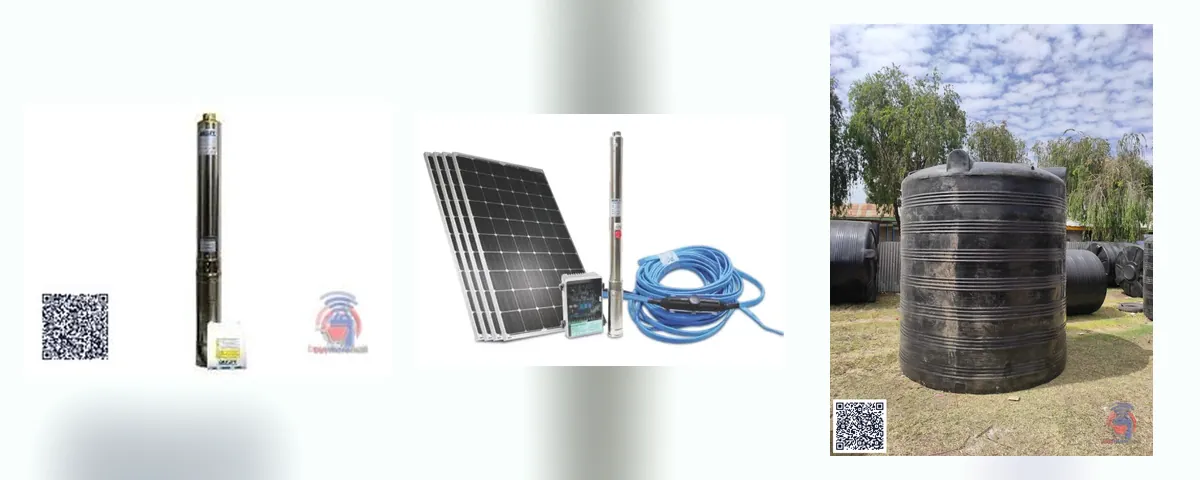
- Size the pump from the test-pump yield and the depth
- Protect the pump from running dry (controller or float switch)
- Solar is common on farms; size panels to the pump
- Test the water before choosing treatment
On this page
Step 1: Survey, Permit and Test Pumping
A hydrogeological survey comes before drilling, and borehole water use needs the required authorisation from the Water Resources Authority (WRA). After drilling, a test pump gives the safe yield (litres per hour) and the water level, the two numbers you need to choose the pump.
Step 2: Choose the Borehole Pump
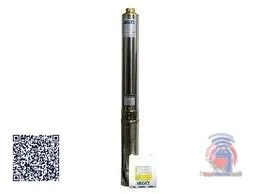 DAYLIFF DSD3/18 COMPLETE WITH FLOATSWITCHKSh 31,000
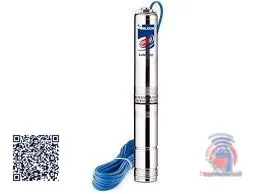 PEDROLLO 4 BLOCK 4/7KSh 58,500
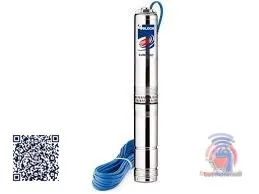 PEDROLLO 4 BLOCK 2/10KSh 62,600
| Product | Price |
|---|---|
| DAYLIFF DSD3/18 COMPLETE WITH FLOATSWITCH | KSh 31,000 |
| PEDROLLO 4 BLOCK 4/7 | KSh 58,500 |
| PEDROLLO 4 BLOCK 2/10 | KSh 62,600 |
Current listed prices incl. VAT (updated 2 October 2026).
Choose a pump whose flow is within the borehole's safe yield, with enough head (lift) for the water level depth plus the height to the tank. See pump types explained.
Step 3: Power: Mains, Generator or Solar
| Product | Price |
|---|---|
| DAYLIFF SUNFLO-S 300 Stainless Solar Pump | KSh 28,880 |
| DAYLIFF SUNFLO-B2 400C3 Solar Pump System | KSh 33,080 |
| DAYLIFF SUNFLO-B2 800C3 Solar Pump System | KSh 38,250 |
| DAYLIFF DDPS60 DC Solar Pump | KSh 18,230 |
Current listed prices incl. VAT (updated 2 October 2026).
Solar suits farms and sites without reliable power: pump into a tank during the day. See solar water pumps and backup generators.
Step 4: Controls and Protection
| Product | Price |
|---|---|
| DAYLIFF FLOATSWITCH | KSh 1,500 |
| DAYLIFF PRESS CONTROL 1.5KW | KSh 15,750 |
| DAYLIFF BRIO PUMP CONTOLLER | KSh 18,530 |
Current listed prices incl. VAT (updated 2 October 2026).
A float switch in the tank stops the pump when it is full; dry-run protection stops it if the borehole water level drops too low.
Step 5: Storage Tank
| Product | Price |
|---|---|
| 5000L Reliance Water storage tank | KSh 36,500 |
| 6000Ltrs Water Storage Tank | KSh 43,800 |
| 8000Ltrs Water Storage Tank | KSh 56,000 |
| 10,000Ltrs Water Storage Tank | KSh 68,000 |
Current listed prices incl. VAT (updated 2 October 2026).
Step 6: Water Treatment
Most Kenyan borehole water needs treatment before drinking or selling: RO for salt and fluoride, iron filters for iron, UV for bacteria. See borehole water treatment, or turn the borehole into a business with a refill station.
Watch: RO purifiers and water ATMs
Frequently asked questions
What equipment does a borehole need after drilling?
A submersible pump, a power source (mains, generator or solar), controls and dry-run protection, a storage tank, and treatment if the water test shows problems.
How do I choose a borehole pump?
From the test-pump yield and water level: the pump flow must be within the safe yield and its head must cover the lift plus the height to the tank.
How does a solar borehole pump work?
Solar panels power the pump through its controller during daylight; water is stored in a tank for use at any time.
Do I need a permit for a borehole in Kenya?
Yes, borehole water use is regulated by the Water Resources Authority (WRA).
How much does it cost to drill a borehole?
Drilling cost depends on depth and geology; ask a licensed driller after the survey. We supply the pump, power, storage and treatment.