
Home › Guides › FRP media filters
How to Load Filter Media in an FRP Tank: Gravel, Sand, Carbon and Resin
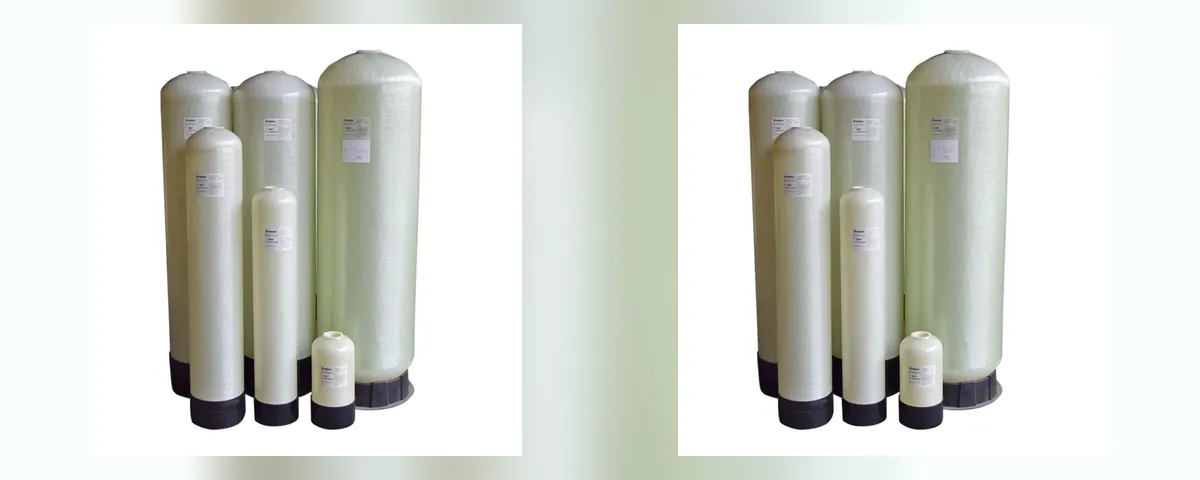
Quick answer: To load an FRP tank: (1) fit the distributor (riser) tube and cap its top so media cannot fall in; (2) add a little water to cushion the media; (3) pour the gravel support layer first, then the main media (sand, activated carbon or resin) through a funnel; (4) leave freeboard (roughly a quarter to a third of the tank empty) so media can expand during backwash; (5) remove the cap, fit the control valve and backwash slowly until the water runs clear. H-TECH FRP tanks from KSh 9,200.
Key facts
- Cap the riser tube
- Gravel first, then media
- Leave freeboard
- Slow first backwash
On this page
What You Need
- FRP tank of the right size (see FRP tank sizes explained).
- Distributor tube with bottom strainer, cut to length.
- Support gravel and the main media.
- A wide funnel, tape or a cap for the riser, and water.
FRP Tanks at H-TECH
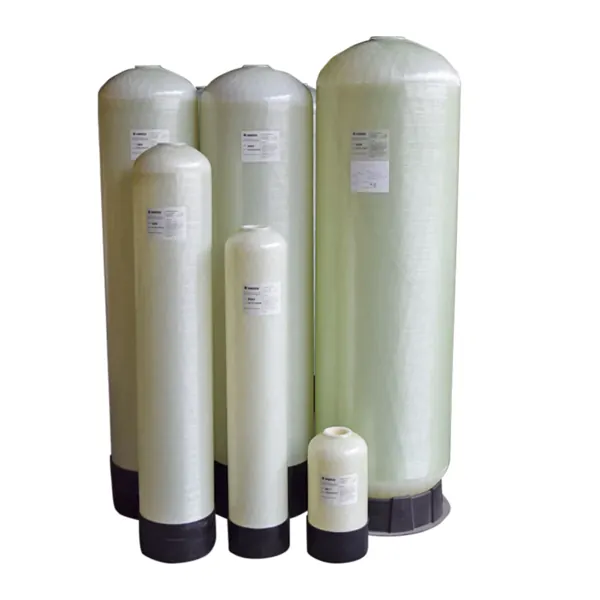 817 FRP Tanks and PP FiltersKSh 9,200
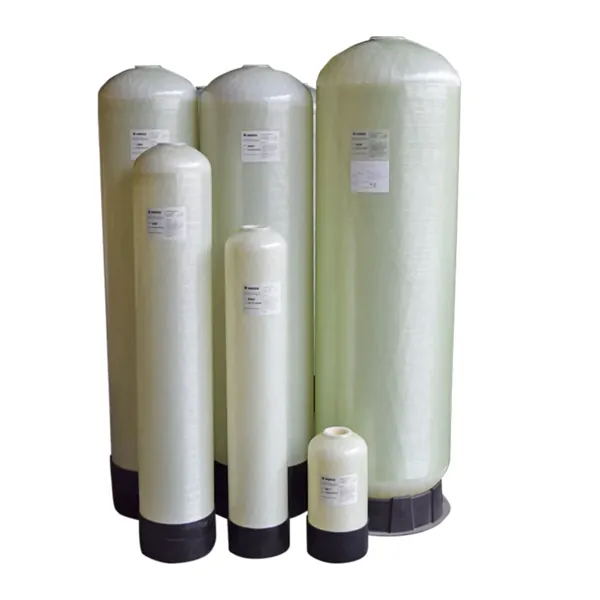 820 FRP Tanks and PP FiltersKSh 9,800
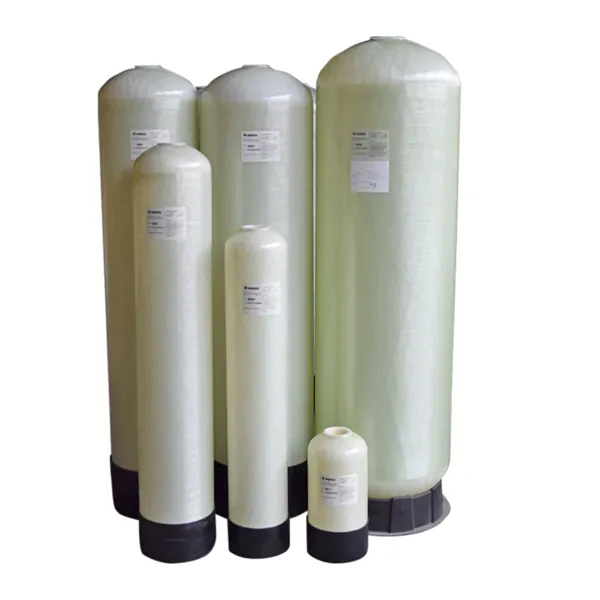 844 FRP Tanks and PP FiltersKSh 12,800
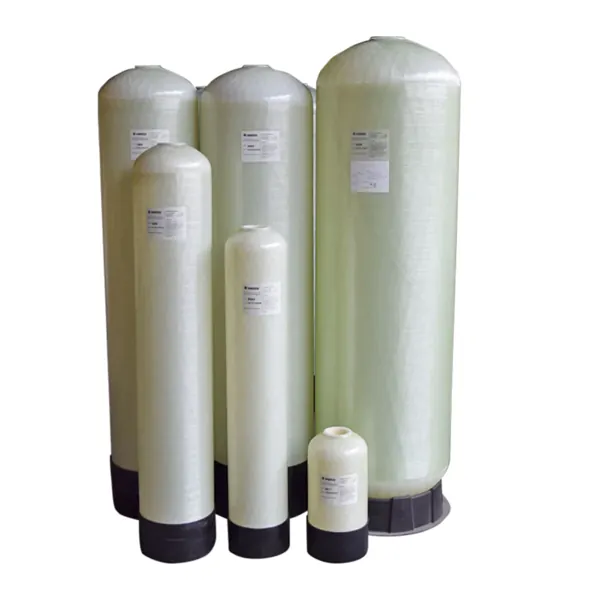 1054 FRP Tanks and PP FiltersKSh 15,000
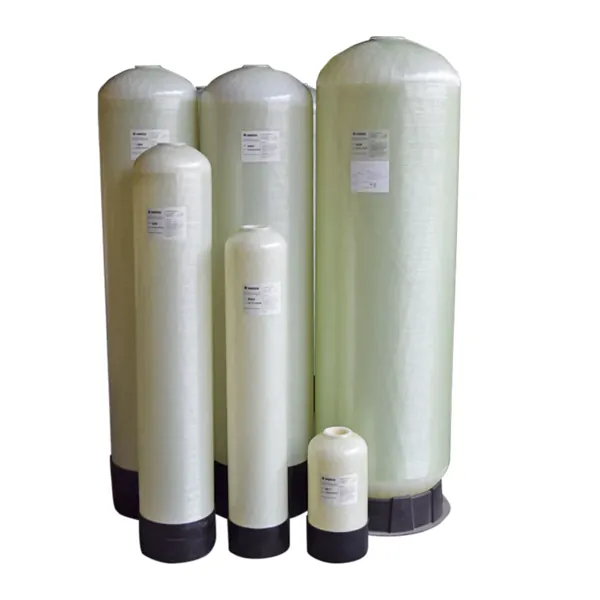 1252 FRP Tanks and PP FiltersKSh 23,000
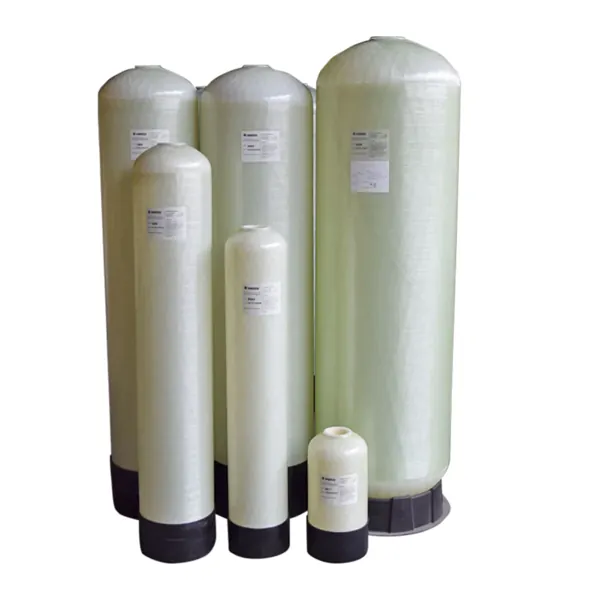 1354 FRP Tank and PP FilterKSh 26,000
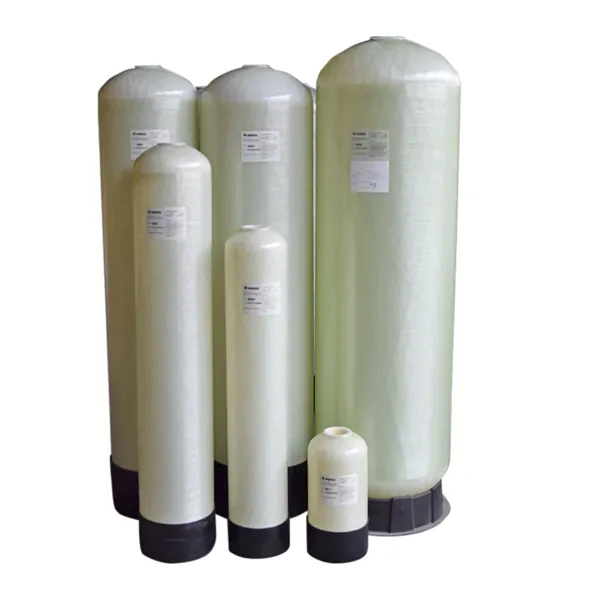 1665 FRP Tank and PP FiltersKSh 43,000
| Product | Price |
|---|---|
| 817 FRP Tanks and PP Filters | KSh 9,200 |
| 820 FRP Tanks and PP Filters | KSh 9,800 |
| 844 FRP Tanks and PP Filters | KSh 12,800 |
| 1054 FRP Tanks and PP Filters | KSh 15,000 |
| 1252 FRP Tanks and PP Filters | KSh 23,000 |
| 1354 FRP Tank and PP Filter | KSh 26,000 |
| 1665 FRP Tank and PP Filters | KSh 43,000 |
Current listed prices incl. VAT (updated 10 November 2026).
Typical Media by Filter Type
| Filter | Media | Removes |
|---|---|---|
| Sand filter | Graded gravel + filter sand | Silt and suspended solids |
| Carbon filter | Gravel + activated carbon | Chlorine, taste, odour |
| Softener | Gravel (optional) + cation resin | Hardness (calcium, magnesium) |
| Iron / manganese filter | Gravel + special media | Iron and manganese |
Step by Step
- Stand the tank on a flat, level base where it will stay; a full tank is heavy.
- Insert the distributor tube so the strainer sits in the centre of the bottom. Cut the tube level with the tank neck if needed.
- Cap or tape the top of the tube.
- Add water to about a quarter of the tank to protect the strainer.
- Pour gravel slowly through the funnel, keeping the tube centred.
- Pour the main media to the level the supplier gives, leaving freeboard for backwash expansion.
- Remove the cap, clean the neck threads and fit the control valve.
- Fill slowly with water, release air and backwash gently until the drain runs clear. New carbon needs a long first rinse to remove fines.
Common Mistakes
- Media falls into the riser tube (no cap): blocks the valve.
- No freeboard: media is lost to drain during backwash.
- Tube off-centre: uneven flow and channelling.
- Backwashing too fast at first: washes good media away.
For softeners, see how softener regeneration works and brine tanks and salt.
Watch: Fabrication and components
Frequently asked questions
How much media goes in an FRP tank?
Fill to the level the supplier gives for that tank size, leaving about a quarter to a third empty for backwash.
Do I need gravel in an FRP tank?
Sand and carbon filters normally use a gravel support layer; many softeners work without it. Follow the supplier.
Why is my filter washing out sand?
Too little freeboard, a broken strainer or too high a backwash flow.
How long should the first backwash run?
Until the drain water runs clear; new carbon may need longer.
Can I reuse old media?
Sand can last years; exhausted carbon and fouled resin should be replaced.