
Home › Guides › Display fridges
How to Start a Butchery Business in Kenya: Location, Equipment, Licences and Hygiene
- Licensed meat only
- Keep it cold
- Stainless surfaces
- Price per kilo for profit
On this page
Step 1: Location and Market
Butcheries do best where people buy meat often: estates, market centres, near hotels and restaurants. Check competition, water, power and drainage, and whether the premises can meet public health requirements.
Step 2: Equipment
 200 Liters Display Fridge(EX-UK)KSh 32,000
 280 Liters Display Fridge(EX-UK)KSh 36,000
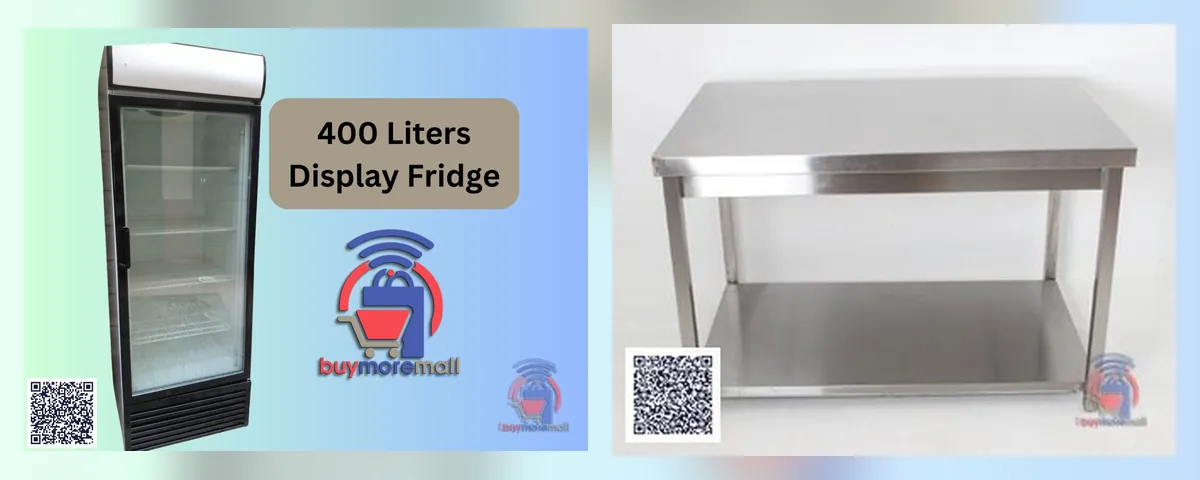
 400 Liters Display Fridge(EX-UK)KSh 43,000
 Double Door Display Fridge(EX-UK)KSh 78,000
 2 by 4 stainless steel working table with rackKSh 25,000
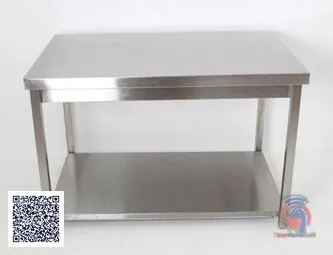 Stainless steel working tops double layersKSh 24,000
| Product | Price |
|---|---|
| 200 Liters Display Fridge(EX-UK) | KSh 32,000 |
| 280 Liters Display Fridge(EX-UK) | KSh 36,000 |
| 400 Liters Display Fridge(EX-UK) | KSh 43,000 |
| Double Door Display Fridge(EX-UK) | KSh 78,000 |
| 2 by 4 stainless steel working table with rack | KSh 25,000 |
| Stainless steel working tops double layers | KSh 24,000 |
Current listed prices incl. VAT (updated 10 November 2026).
| Item | Use |
|---|---|
| Display fridge / chiller or cold room | Keep meat cold and visible |
| Stainless work table | Hygienic cutting and packing |
| Weighing scale | Accurate sales by kilo |
| Knives, saw, chopping block | Cutting |
| Meat mincer (optional) | Mince sells at a better price |
| Hand-wash sink, aprons, hair covers | Hygiene and inspection |
Choosing cold storage: display fridge buying guide, ex-UK vs new fridges and cold room vs chiller vs display fridge.
Step 3: Licences and Hygiene
- Single business permit.
- Public health licence after inspection of the premises.
- Medical certificates for staff handling meat.
- Meat from licensed slaughterhouses with inspection stamps.
Licences, permits and fees change and differ by county. Confirm current requirements with your county government and the relevant regulator before you invest.
Step 4: Pricing and Profit
Price per kilo = cost per kilo (including bones and trimming loss) + transport + power + rent share + your margin. Weigh what you buy and what you sell each day to spot losses. Offer mince, sausages or packed cuts to use trimmings.
Step 5: Keep Electricity Costs Down
Do not overload fridges, keep doors closed and seals clean, and leave space for airflow: see display fridge electricity use.
Safety: electrical connections must be made by a qualified electrician, with correct earthing and a breaker sized for the equipment.
Frequently asked questions
How much does it cost to start a butchery in Kenya?
It depends on rent, fit-out and cold storage; get equipment quotes and add stock and working capital.
What licences does a butchery need?
Typically a business permit, a public health licence and staff medical certificates; confirm with your county.
What equipment is needed for a butchery?
Cold display or storage, stainless tables, a scale, knives, a chopping block and a hand-wash point.
Is a butchery profitable?
It can be, with good sourcing, low waste and steady buyers.
How do I keep meat fresh?
Keep it cold at all times, clean surfaces often and sell oldest stock first.