
How to Test Milk: Lactometer, Alcohol Test and Clot-on-Boiling
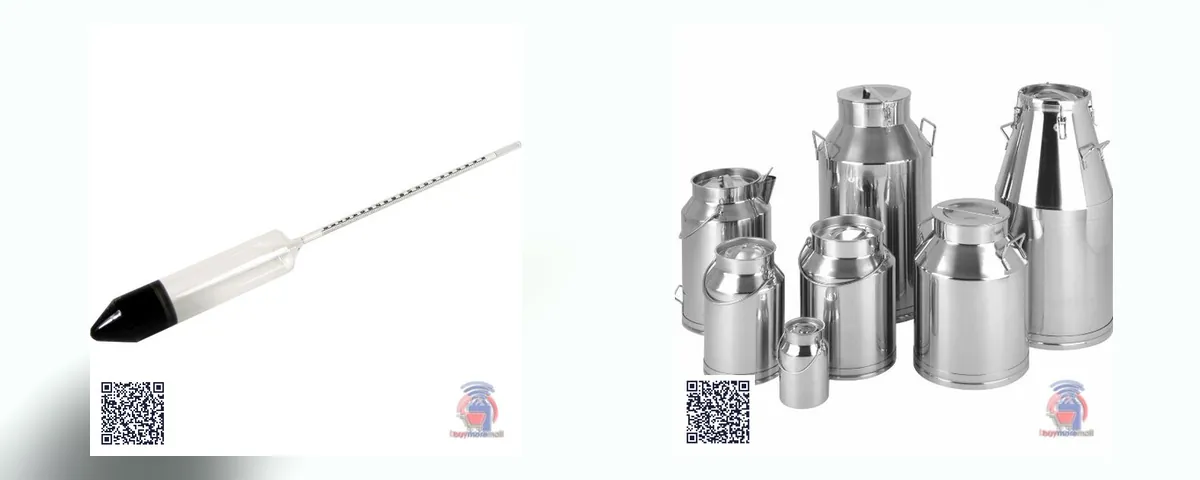
- Lactometer = density; added water lowers the reading
- Read at the calibration temperature, or correct the reading
- Alcohol and clot-on-boiling tests catch sour milk
- Milk quality standards: Kenya Dairy Board (KDB)
On this page
Lactometer Price
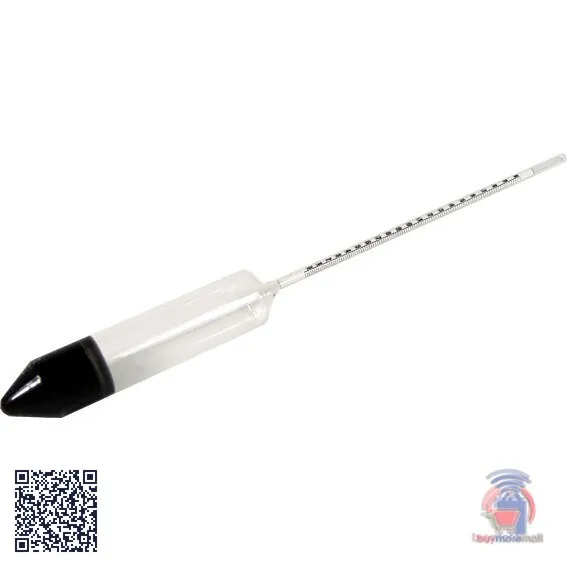
| Product | Price |
|---|---|
| Lactometer | KSh 500 |
Current listed prices incl. VAT (updated 1 October 2026).
How Does a Lactometer Work?
A lactometer is a weighted glass float with a scale. It sinks less in denser liquid. Whole cow milk is denser than water, so the lactometer floats higher in milk. When water is added, the milk becomes less dense, the lactometer sinks lower, and the reading drops.
How to Take a Lactometer Reading
- Mix the milk gently and pour it into a tall cylinder.
- Lower the lactometer in slowly and let it settle without touching the sides.
- Read the scale at the surface of the milk.
- Measure the milk temperature: lactometers are calibrated for one temperature, so correct the reading using the chart supplied with yours.
What Is a Normal Lactometer Reading?
Normal whole cow milk usually reads about 28 to 32 on a lactometer (a specific gravity of about 1.028 to 1.032) at the calibration temperature. A reading clearly below the normal range suggests added water. Readings vary with breed, feed and fat content, so compare with milk you know is genuine and with your buyer's standard.
How to Check Milk Adulteration at Home
- Lactometer: a low reading suggests added water.
- Look and smell: watery, bluish milk or an off smell is a warning sign.
- Boil a small sample: good milk does not curdle.
Alcohol Test and Clot-on-Boiling Test
| Test | How | Result |
|---|---|---|
| Alcohol test | Mix equal amounts of milk and test alcohol in a test tube | Clots or flakes = milk is souring; reject or use quickly |
| Clot-on-boiling | Boil a small sample | Curdles = milk is sour and will not survive pasteurizing |
Collection centres and milk bars should record test results for every delivery. Standards for milk quality are set by the Kenya Dairy Board (KDB) and KEBS.
Related: milk cans and handling and chillers for cooperatives.
Watch: Milk chillers and pasteurizers
Frequently asked questions
How does a lactometer work?
It floats higher in denser liquid; added water makes milk less dense, so the lactometer sinks lower and the reading drops.
What is a normal lactometer reading for cow milk?
Usually about 28 to 32 (specific gravity about 1.028 to 1.032) at the calibration temperature; it varies with breed, feed and fat.
How do I check milk for added water?
Use a lactometer: a reading clearly below normal suggests added water. Correct for temperature first.
What is the alcohol test for milk?
Mix equal amounts of milk and test alcohol; clots or flakes mean the milk is souring.
How much is a lactometer in Kenya?
Our lactometer is KSh 500.