
Inverter vs Generator: Costs, Run Time, Noise and the Right Choice
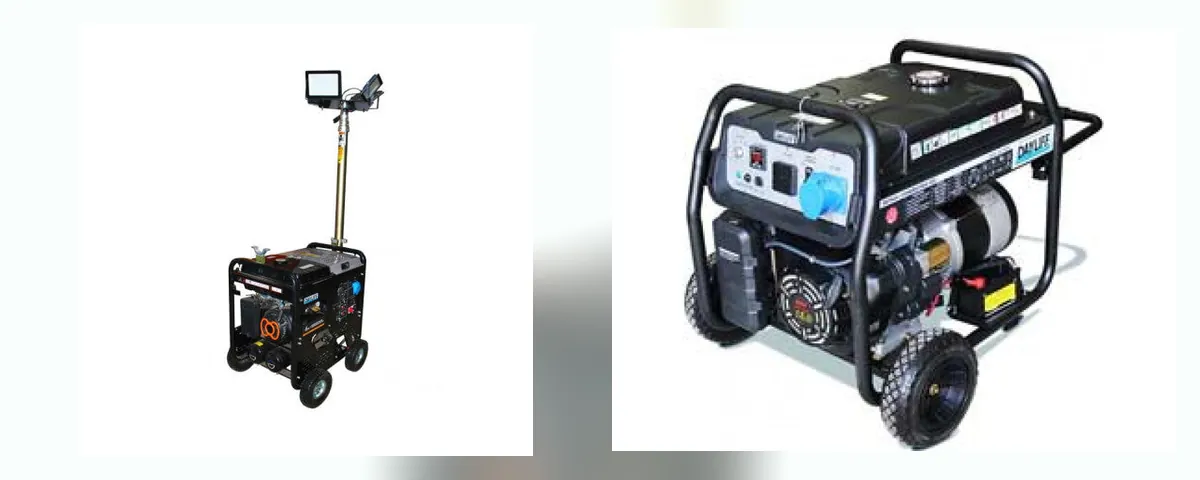
- Inverter = silent, instant, limited hours
- Generator = heavy loads, needs fuel
- Short outages → inverter
- Long outages + motors → generator
On this page
How They Work
An inverter turns battery DC power into 230 V AC. A charger (or solar panels) refills the batteries when power is available. A generator burns petrol or diesel to drive an alternator.
Side by Side
| Inverter + batteries | Generator | |
|---|---|---|
| Switch-over | Instant (UPS-style) or near-instant | Manual, or seconds with an ATS |
| Noise and fumes | None | Noisy; exhaust must be outdoors |
| Run time | Limited by battery size | As long as there is fuel |
| Heavy motors (pumps, chillers, welders) | Needs a large system | Good, if sized for start-up current |
| Running cost | Electricity or solar to recharge; batteries wear out | Fuel, oil, servicing |
| Maintenance | Low | Regular servicing |
Generators and Power Packs at H-TECH
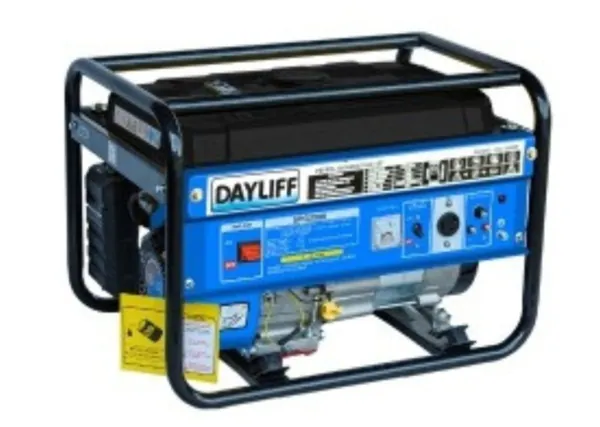 DAYLIFF DG1200S 1 kVA Petrol GensetKSh 26,100
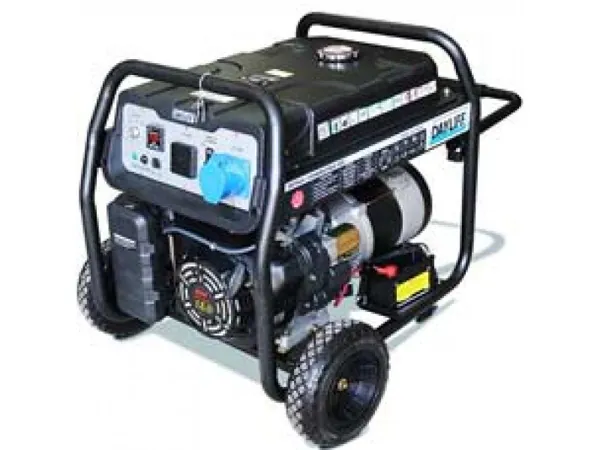 DAYLIFF DG3800ST 2.8 kVA Petrol GensetKSh 50,370
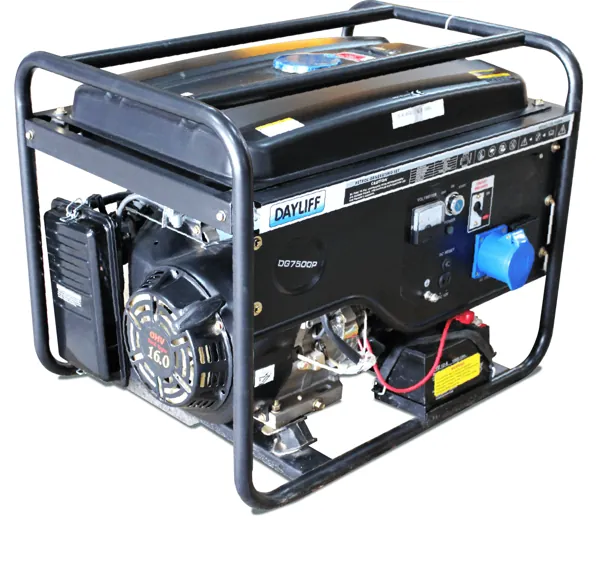 DAYLIFF DG7500P 6 kVA Petrol GeneratorKSh 123,980
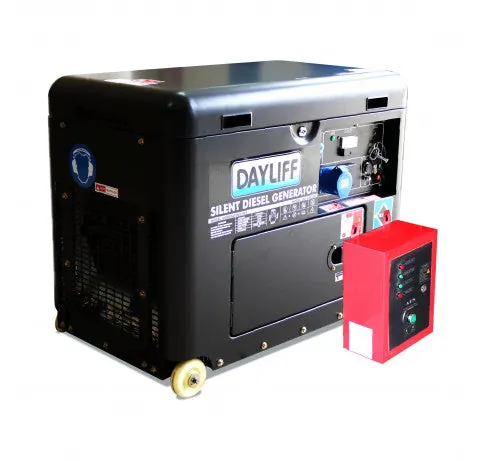 DAYLIFF DG6000DS 4.5 kVA Diesel Generator with ATSKSh 247,950
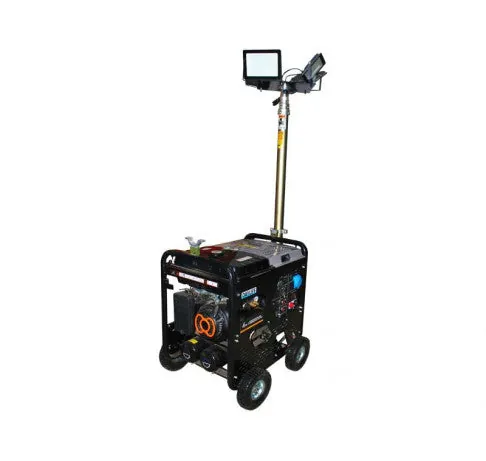 DAYLIFF DG Multi-4 Multifunction Power PackKSh 124,990
| Product | Price |
|---|---|
| DAYLIFF DG1200S 1 kVA Petrol Genset | KSh 26,100 |
| DAYLIFF DG3800ST 2.8 kVA Petrol Genset | KSh 50,370 |
| DAYLIFF DG7500P 6 kVA Petrol Generator | KSh 123,980 |
| DAYLIFF DG6000DS 4.5 kVA Diesel Generator with ATS | KSh 247,950 |
| DAYLIFF DG Multi-4 Multifunction Power Pack | KSh 124,990 |
Current listed prices incl. VAT (updated 10 November 2026).
Which One Do You Need?
- Home with short outages: inverter for lights, internet and TV.
- Shop or office: inverter for tills, computers and lights; generator if outages are long.
- Milk chiller, cold room, water plant: generator sized for the compressor or pump start, ideally with an ATS (see automatic transfer switches) and see backup generators for water and dairy businesses.
- Remote sites: consider solar with batteries plus a generator for cloudy days.
Estimate Battery Run Time
Battery energy (Wh) ≈ volts × amp-hours. A 12 V 200 Ah battery holds about 2,400 Wh; using about half of it to protect a lead-acid battery gives about 1,200 Wh, which runs a 200 W load for roughly 6 hours (less after inverter losses). Lithium batteries can be used more deeply; follow the maker's figures.
Safety: electrical connections must be made by a qualified electrician, with correct earthing and a breaker sized for the equipment.
Frequently asked questions
Is an inverter better than a generator?
For short outages and light loads, yes: silent and instant. For long outages and heavy motors, a generator is better.
Can an inverter run a fridge?
Yes, if the inverter and batteries are sized for the fridge's start-up surge and daily use.
Can an inverter run a water pump?
Small pumps with a large enough inverter; bigger pumps are usually better on a generator or a solar pump system.
How long will an inverter last during a blackout?
It depends on battery size and load; use volts × amp-hours to estimate.
Can I combine an inverter and a generator?
Yes. The generator can recharge batteries during long outages.