Home › Guides › Milk ATM machines
How to Get a Kenya Dairy Board Licence for a Milk Bar, Milk ATM or Dairy Business
- KDB licenses milk businesses
- Different licence per activity
- Premises are inspected
- Renew every year
On this page
Who Needs a KDB Licence?
The Kenya Dairy Board regulates the dairy industry under the Dairy Industry Act. If milk is part of your business, from a roadside milk bar to a processing plant, you need the licence that matches what you do.
| Activity | Typical licence type |
|---|---|
| Milk bar / milk ATM shop selling to the public | Retail outlet (milk bar) licence |
| Collecting and cooling milk from farmers | Cooling / collection centre licence |
| Moving milk in cans or tankers | Milk transport (vehicle) permit |
| Pasteurising, making yoghurt or mala | Processor / cottage industry licence |
Names and fees change; confirm the exact category with KDB.
Documents You Will Usually Need
- National ID and KRA PIN; business registration where applicable.
- County single business permit for the premises.
- Medical certificates for everyone who handles milk (food handlers certificate guide).
- Premises details and, for processors, a layout of the process area.
What Inspectors Look For
- Clean, washable surfaces: tiled or smooth walls and floors, no cracks.
- Food-grade equipment: stainless steel milk contact parts, not plastic jerricans.
- Cold chain: milk kept cool from delivery to sale.
- Clean water and hand-washing at the point of sale.
- Milk testing: a lactometer and records of where your milk comes from.
Equipment That Helps You Pass
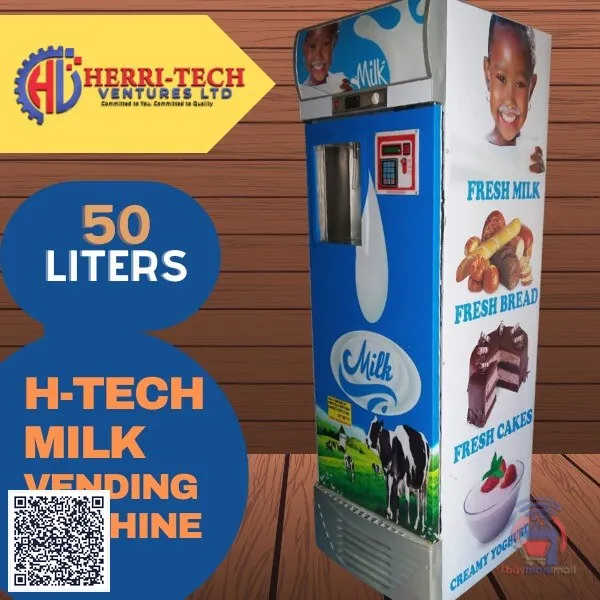 50 Liters Milk vending machine (portable)KSh 100,000
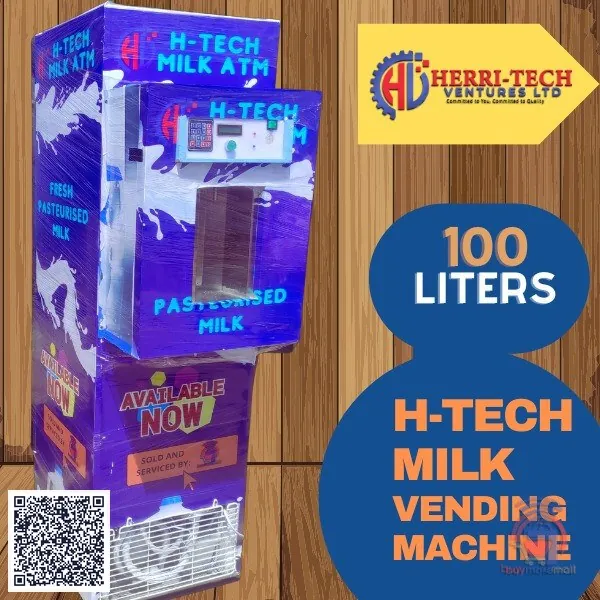 100 Liters Milk vending machine (portable)KSh 95,000
 H-TECH 300 LITERS MILK VENDING ATM (double door freezer design))KSh 290,000
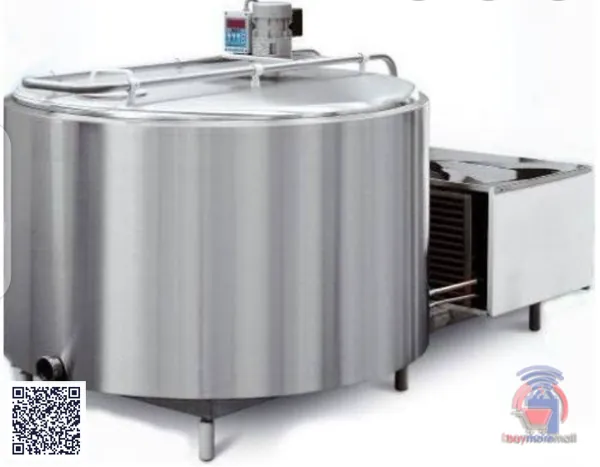 100 LTRS MILK CHILLERKSh 280,000
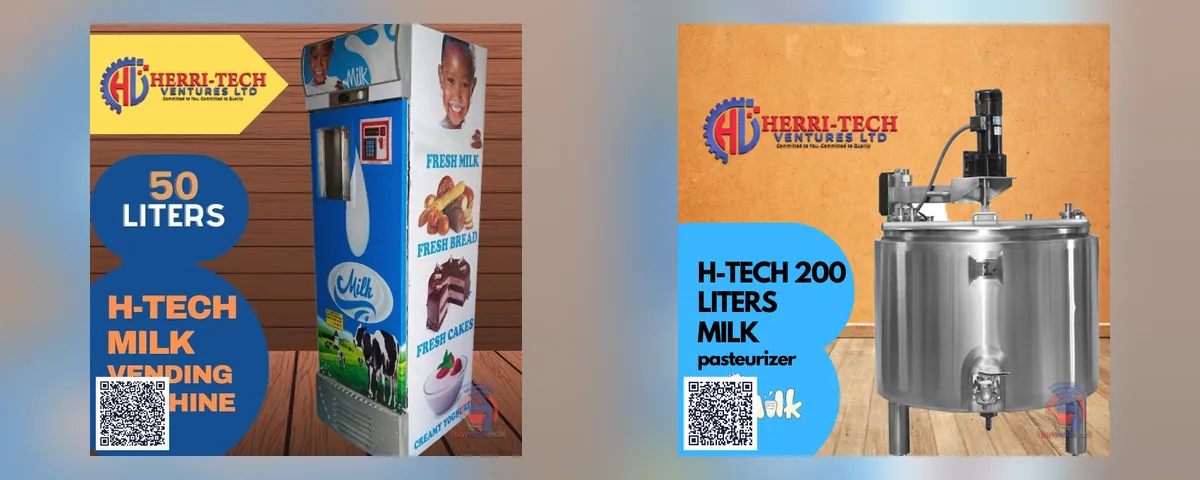
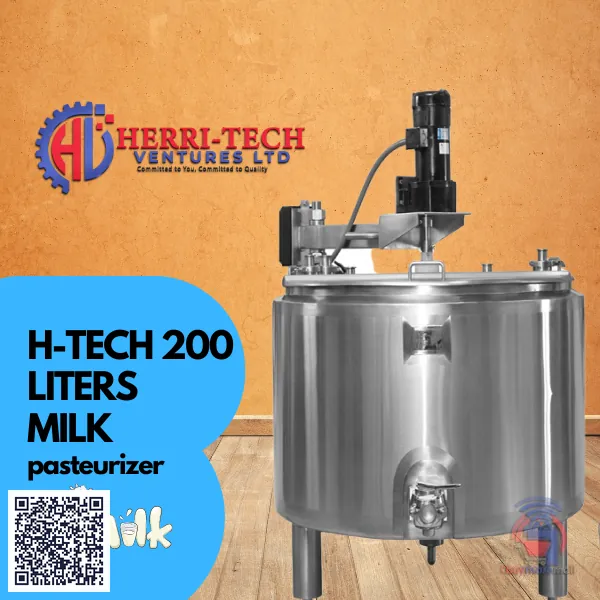 200 Liters Milk PasteuriserKSh 210,000
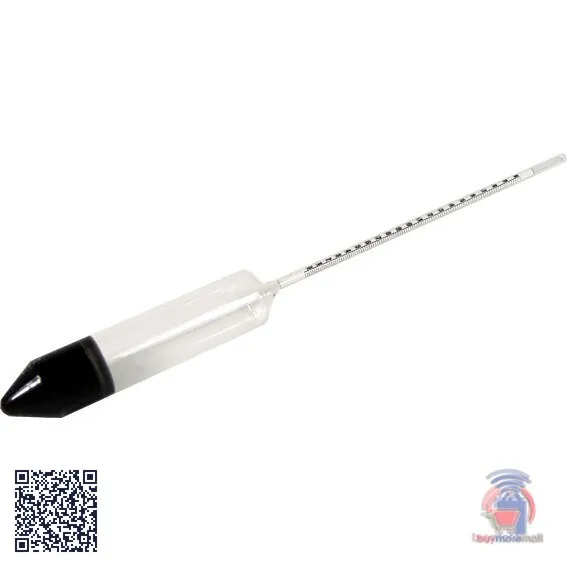 LactometerKSh 500
| Product | Price |
|---|---|
| 50 Liters Milk vending machine (portable) | KSh 100,000 |
| 100 Liters Milk vending machine (portable) | KSh 95,000 |
| H-TECH 300 LITERS MILK VENDING ATM (double door freezer design)) | KSh 290,000 |
| 100 LTRS MILK CHILLER | KSh 280,000 |
| 200 Liters Milk Pasteuriser | KSh 210,000 |
| Lactometer | KSh 500 |
Current listed prices incl. VAT (updated 12 October 2026).
Stainless milk ATMs with built-in cooling meet the hygiene and cold-chain points in one machine. A lactometer test at delivery protects you from added water.
Steps to Get Licensed
- Get the premises ready (clean finishes, water, power, drainage).
- Install the equipment and keep a supplier record.
- Get medical certificates for staff.
- Apply to KDB for the right licence and pay the fee.
- Pass the inspection; display the licence at the outlet.
- Renew every year and keep records up to date.
Selling Raw vs Pasteurised Milk
Many milk ATMs sell raw milk that customers boil at home; others sell pasteurised milk. Selling or packing pasteurised milk, yoghurt or mala needs a processor or cottage licence and the right equipment: see how milk pasteurization works.
Watch: Milk chillers and pasteurizers
Frequently asked questions
Do I need a KDB licence for a milk ATM?
Yes. Selling milk to the public needs a Kenya Dairy Board licence for the outlet.
How much is a Kenya Dairy Board licence?
Fees depend on the licence category; check the current schedule with KDB before applying.
How long is a KDB licence valid?
Licences are renewed annually.
What does KDB inspect?
Premises hygiene, food-grade equipment, cold chain, water, staff medical certificates and milk sources.
Can I sell raw milk in Kenya?
Licensed outlets do sell raw milk for boiling at home; processed products need a processor licence.