Liquid Filling Machines: Manual, Pneumatic or Automatic?
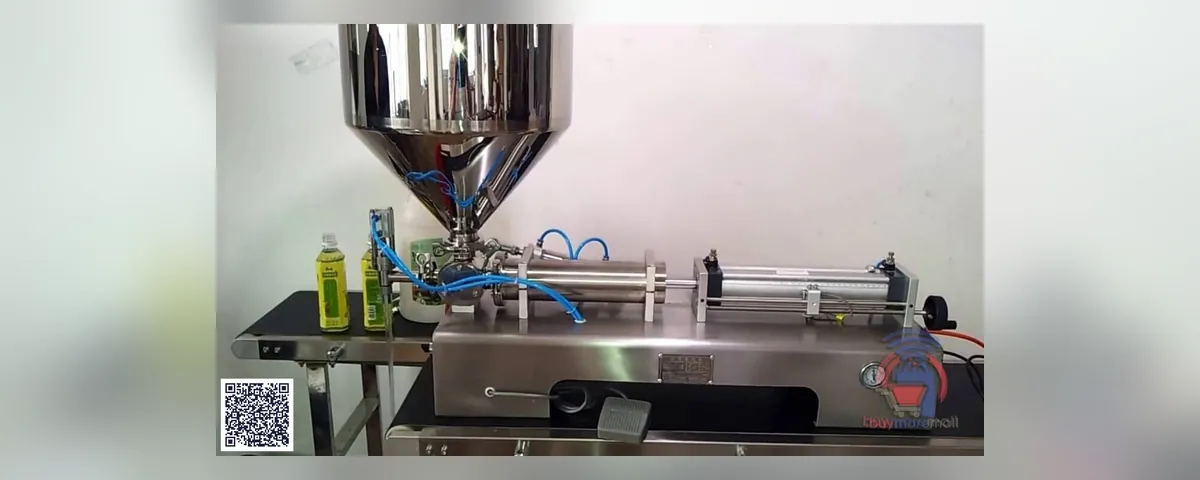
Quick answer: For small batches, a manual piston filler fills accurate volumes of liquids and pastes. A pneumatic filler is faster and easier on the operator. An automatic linear filler fills several bottles at once on a conveyor for production lines.
Key facts
- Manual piston filler: small batches, liquids and pastes
- Pneumatic filler: faster, consistent volumes
- Automatic linear filler: conveyor production
- Tell us the product and bottle size: thick liquids need the right nozzle
On this page
Filling machines and prices
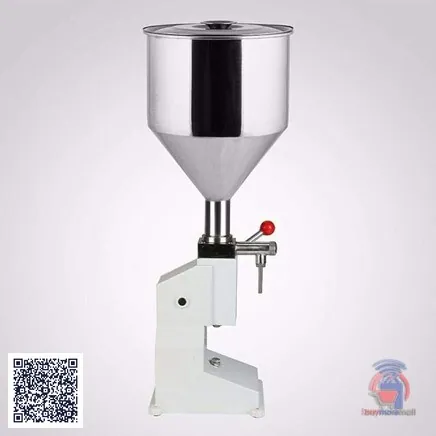 Manual Liquid & Paste Filling MachineKSh 95,000
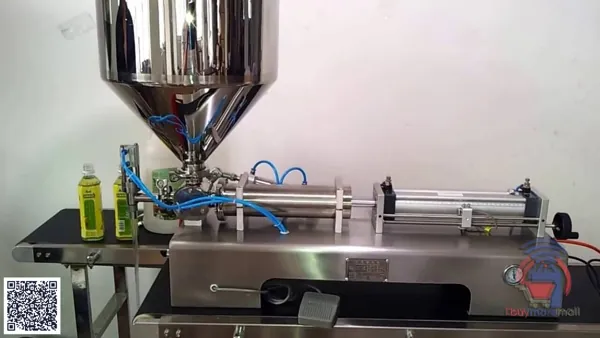 Pneumatic liquid fillerKSh 350,000
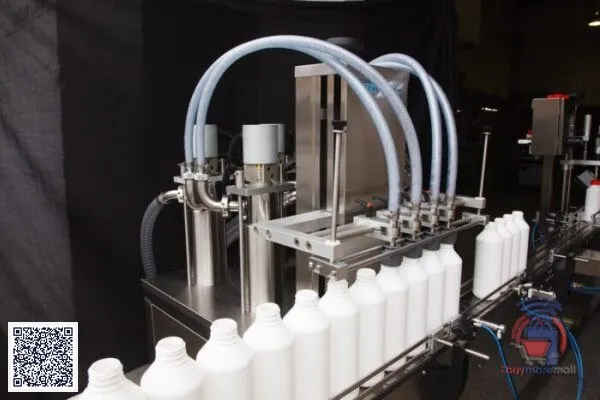 Automatic Linear Liquid Filling MachinesKSh 1,900,000
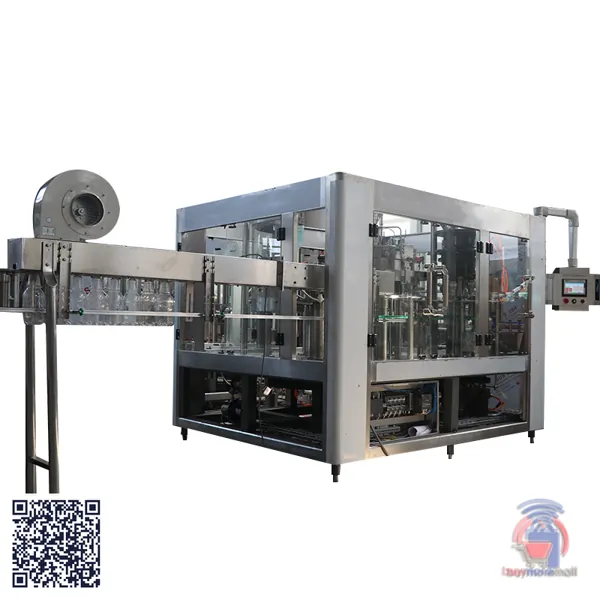 Liquid Filling Machines(Soft Drink Production Line Equipment )KSh 3,400,000
| Product | Price |
|---|---|
| Manual Liquid & Paste Filling Machine | KSh 95,000 |
| Pneumatic liquid filler | KSh 350,000 |
| Automatic Linear Liquid Filling Machines | KSh 1,900,000 |
| Liquid Filling Machines(Soft Drink Production Line Equipment ) | KSh 3,400,000 |
Current listed prices incl. VAT (updated 30 September 2026).
Which filler for which product
| Product | Notes |
|---|---|
| Water, juice | Thin liquids: fast filling; watch foaming |
| Yoghurt, honey, sauces | Thicker: piston filler with a suitable nozzle |
| Cooking oil, detergent | Piston or pneumatic filler; drip-free nozzle |
Getting accurate volumes
- Calibrate at the start of each shift by weighing a few fills.
- Keep product temperature steady; it changes thickness.
- Clean the filler thoroughly when changing products.
Related: bottled water plant setup and cup filling and sealing.
Frequently asked questions
Which filling machine is best for a small business?
A manual or pneumatic piston filler handles most liquids and pastes at small volumes.
Can one filler handle thick and thin liquids?
Piston fillers handle both with the right nozzle; tell us your products.
How accurate are piston fillers?
Very consistent when calibrated; check by weighing samples each shift.
Do you supply complete filling lines?
Yes, from single fillers to complete lines with capping, sealing, coding and labelling.