
Keeping Milk Cold from the Farm to the Buyer
- Cool to about 4 °C soon after milking
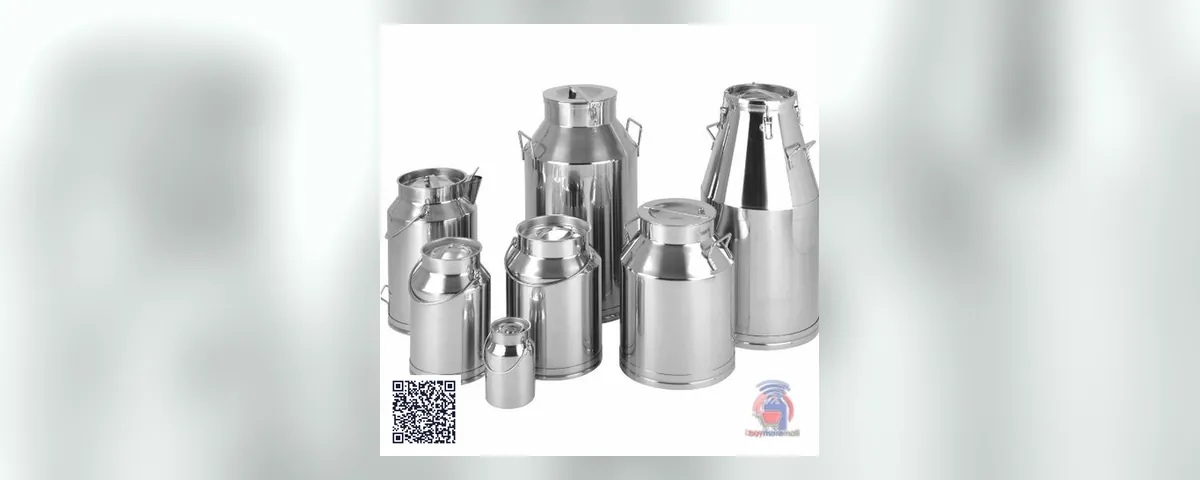
- Stainless cans for small volumes; tankers for bulk
- Clean and sanitise everything after each trip
- Kenya Dairy Board regulates milk handling
On this page
Why the Cold Chain Matters
Bacteria in warm milk multiply quickly, raising acidity until the milk is rejected. Cooling slows them down, so cold milk keeps its grade and price.
Stage by Stage
- At the farm: milk into clean stainless cans; cool quickly or deliver to the collection centre within the time the buyer accepts.
- Collection centre: test, then cool in a milk chiller (what size cooling tank).
- Bulk transport: an insulated tanker keeps cooled milk cold to the processor.
- Delivery: test again on arrival.
Cans and Tankers
 20l milk storage canKSh 8,500
 50l milk storage canKSh 15,000
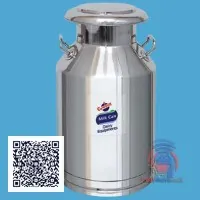 100l milk storage canKSh 24,000
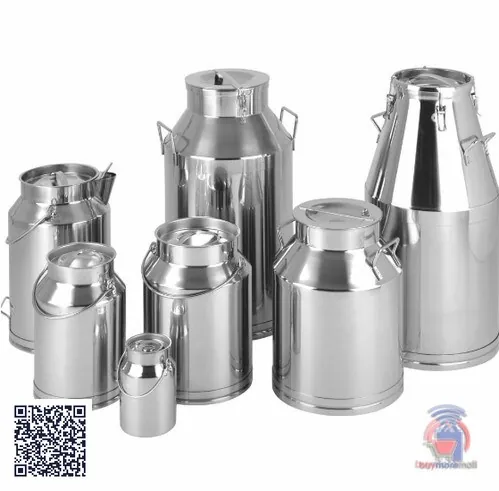 Milk transport canKSh 13,000
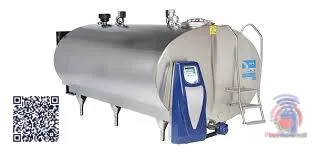 milk tankerKSh 700,000
| Product | Price |
|---|---|
| 20l milk storage can | KSh 8,500 |
| 50l milk storage can | KSh 15,000 |
| 100l milk storage can | KSh 24,000 |
| Milk transport can | KSh 13,000 |
| milk tanker | KSh 700,000 |
Current listed prices incl. VAT (updated 4 October 2026).
Why stainless: milk cans and handling.
Cooling Equipment
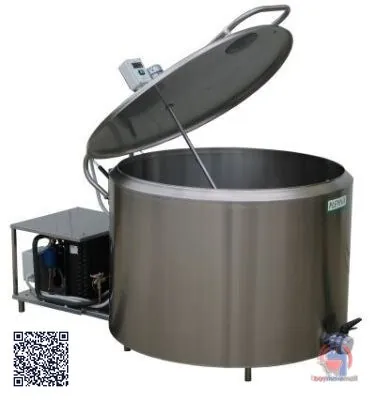 Milk Cooling Tanks (500 liters)KSh 720,000
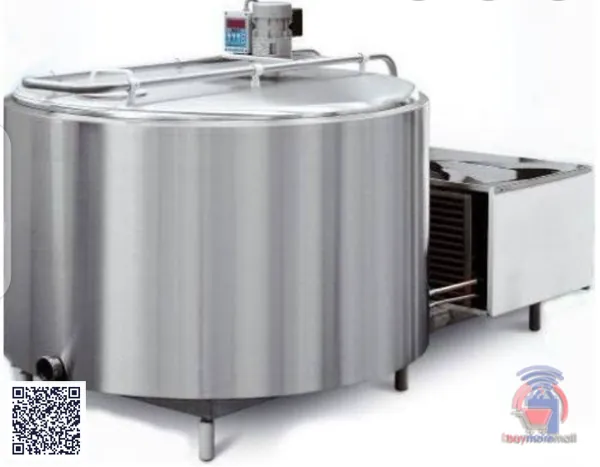 100 LTRS MILK CHILLERKSh 280,000
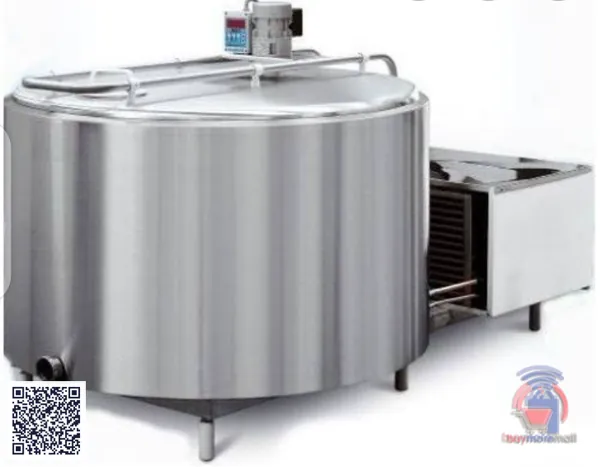 300 LTRS MILK CHILLERKSh 330,000
 H-TECH 500 LITERS MILK CHILLERKSh 450,000
 H-TECH 1000 LTRS MILK CHILLERKSh 800,000
| Product | Price |
|---|---|
| Milk Cooling Tanks (500 liters) | KSh 720,000 |
| 100 LTRS MILK CHILLER | KSh 280,000 |
| 300 LTRS MILK CHILLER | KSh 330,000 |
| H-TECH 500 LITERS MILK CHILLER | KSh 450,000 |
| H-TECH 1000 LTRS MILK CHILLER | KSh 800,000 |
Current listed prices incl. VAT (updated 4 October 2026).
Cleaning
Rinse cans and tankers straight after emptying, wash with a dairy detergent, rinse, sanitise and let them drain dry upside down. Dirty equipment spoils good milk. See cleaning dairy equipment.
Regulations
Milk transporters, collection centres and processors need the right permits and licences from the Kenya Dairy Board. Check the current requirements before you start a route.
Watch: Milk chillers and pasteurizers
Frequently asked questions
At what temperature should milk be transported?
Milk should be cooled to about 4 °C and kept cold until delivery.
Why are aluminium or stainless cans used for milk?
They are food-safe, easy to clean and do not hold smells like plastic jerrycans.
How much is a milk tanker in Kenya?
Our milk tanker is listed at KSh 700,000.
Do milk transporters need a licence in Kenya?
Milk handling and transport are regulated by the Kenya Dairy Board; check their current requirements.