Home › Guides › Water treatment
What pH Should Drinking Water Be?
- Normal range about 6.5–8.5
- Low pH corrodes pipes; high pH tastes bitter, scales
- RO water reads slightly acidic; remineralise to raise
- Calibrate meters with buffer solutions
On this page
What pH Means
pH runs from 0 (very acidic) to 14 (very alkaline); 7 is neutral. Each step is ten times stronger than the last, so pH 6 is ten times more acidic than pH 7.
Is My Water's pH Safe?
| pH | What it means |
|---|---|
| Below 6.5 | Acidic: can corrode pipes and fittings, metallic taste |
| 6.5–8.5 | The usual range in drinking water standards |
| Above 8.5 | Alkaline: can taste bitter or soapy, more scale |
Your laboratory report will compare pH with the standard; see how to read a water test report.
Why Is RO Water pH Low?
RO removes most dissolved minerals that buffer pH, and the water absorbs carbon dioxide from the air, so it often reads slightly below 7. It is not harmful, but a remineralisation or calcite stage raises the pH and improves taste: RO water taste and remineralisation.
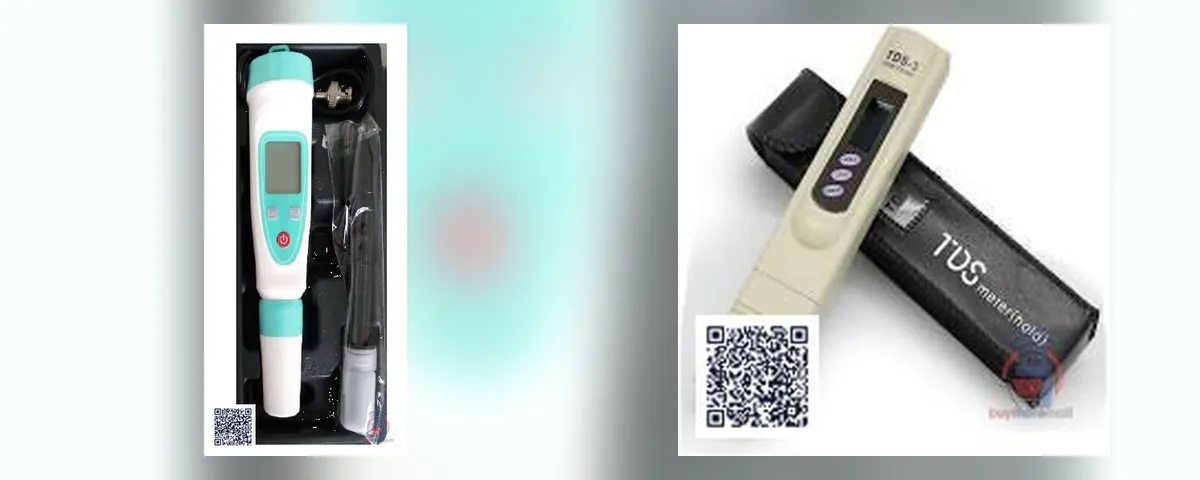
pH and TDS Meters
| Product | Price |
|---|---|
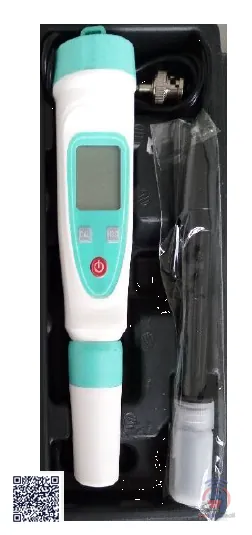
| pH Handheld Meter | KSh 4,500 |
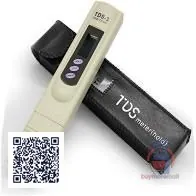
| TDS Handheld Meter | KSh 6,500 |
Current listed prices incl. VAT (updated 4 October 2026).
How to Test and Calibrate a pH Meter
- Calibrate with buffer solutions (often pH 7 first, then 4 or 10) as the meter's manual says.
- Rinse the probe with clean water, dip it in the sample and stir gently.
- Wait for the reading to settle, then record it.
- Rinse after use and store the probe as the manual says; a dried-out probe gives wrong readings.
How to Raise or Lower pH
Raise pH with a calcite or remineralisation filter, or controlled dosing; lower it with controlled acid dosing in larger plants. For businesses, a dosing pump keeps it steady: chemical dosing pumps.
Watch: RO purifiers and water ATMs
Frequently asked questions
What pH should drinking water be?
Drinking water standards commonly set a range of about 6.5 to 8.5.
Is RO water acidic?
It often reads slightly below 7 because it is very pure; a remineralisation stage raises the pH.
Is low pH water harmful?
Its main effect is corroding pipes and fittings and a metallic taste.
How do you calibrate a pH meter?
With buffer solutions (often pH 7, then 4 or 10) following the meter's instructions.
How much is a pH meter in Kenya?
Our handheld pH meter is KSh 4,500.