Pump Cavitation: How to Detect, Prevent and Fix It
- Gravel noise + vibration
- Low suction pressure
- Bigger, shorter suction pipe
- Clean strainers, cut lift
On this page
What Is Pump Cavitation?
A pump needs enough pressure at its inlet (net positive suction head, NPSH) to stop water from turning into vapour as it speeds up into the impeller. If the available NPSH falls below what the pump requires, bubbles form and implode against metal surfaces, eating away the impeller and wearing seals and bearings.
Signs of Cavitation
- A crackling or "pumping gravel" noise.
- Vibration and pipe shaking.
- Flow and pressure lower than expected or surging.
- Pitting on the impeller when opened.
- Frequent seal or bearing failures.
Causes
| Cause | Why it lowers inlet pressure |
|---|---|
| High suction lift | Pump far above the water level |
| Small or long suction pipe | Friction losses |
| Blocked strainer or foot valve | Restriction at the inlet |
| Throttled suction valve | Restriction where it hurts most |
| Hot water | Boils at lower pressure |
| Running far right on the curve | Pump needs more NPSH at high flow |
| Air leaks on suction | Air bubbles and loss of prime |
How to Fix and Prevent Cavitation
- Lower the pump closer to the water or use a flooded suction (tank above the pump).
- Use a suction pipe at least the size of the pump inlet (often one size bigger), short and straight.
- Clean strainers and foot valves regularly.
- Never throttle the suction; control flow on the delivery side.
- Seal suction joints against air leaks.
- Choose a pump that runs near its best efficiency point (see pump size calculator).
- For deep water, use a submersible or borehole pump instead of surface suction (see jet vs centrifugal vs submersible).
Pumps at H-TECH
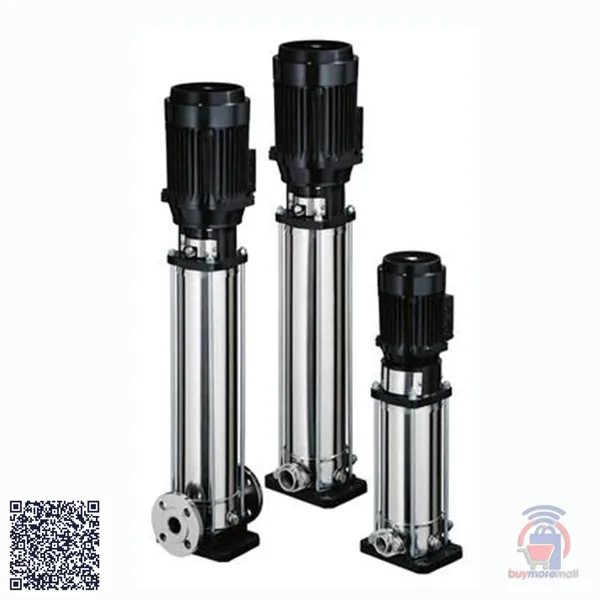 CNP CDLF2-11 Vertical Multistage Pump, 1.1Kw, Single PhaseKSh 85,000
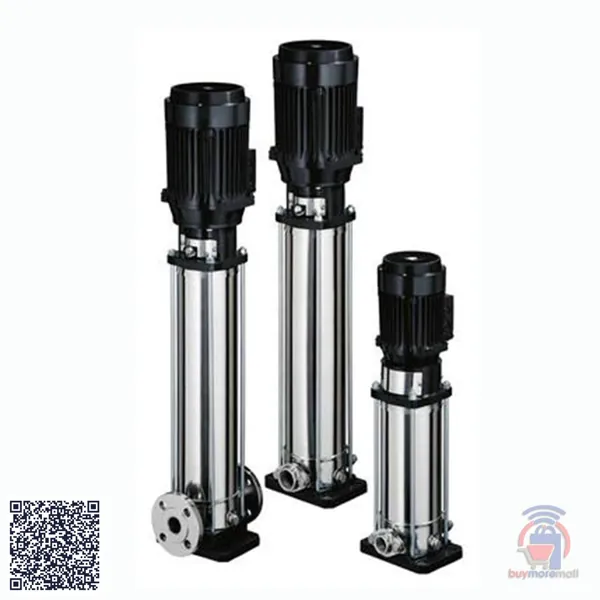 CNP CDLF2-22 Vertical Multistage Pump, 2.2Kw, Single PhaseKSh 95,000
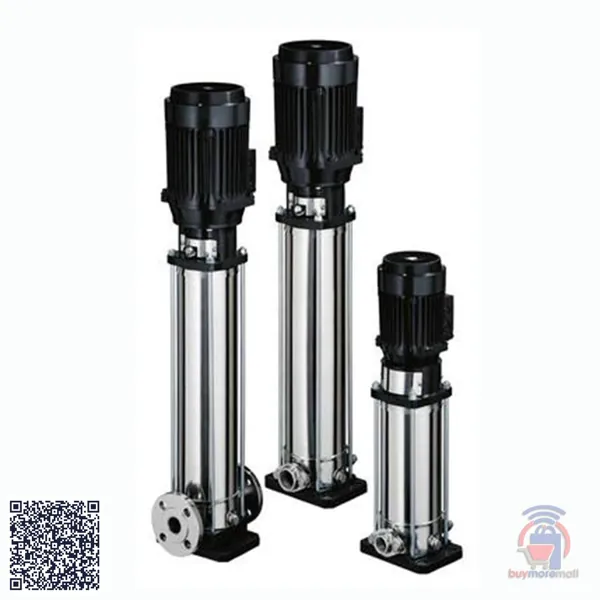 CNP CDMF3-16 Vertical Multistage Pump, 1.5Kw, Single PhaseKSh 110,000
Current listed prices incl. VAT (updated 18 November 2026).
Mistakes to Avoid
- Reducing pipe size at the pump inlet.
- Throttling the suction valve to cut flow.
- Ignoring the noise until the impeller fails.
- Pumps placed high above tanks without checking suction lift.
Frequently asked questions
What causes pump cavitation?
Low pressure at the pump inlet: high suction lift, small or long suction pipes, blocked strainers, throttled suction, hot water or running at too high a flow.
How do I detect pump cavitation?
Listen for a gravel-like noise, check for vibration and falling flow or pressure, and inspect the impeller for pitting.
How do I stop pump cavitation?
Increase inlet pressure: reduce lift, enlarge and shorten the suction pipe, clean strainers, stop air leaks and avoid throttling suction.
Can cavitation damage a pump?
Yes. It pits impellers and causes seal and bearing failures.
What is NPSH?
Net positive suction head: the pressure margin at the pump inlet needed to prevent cavitation.