
Home › Guides › Stainless fabrication
Stainless Steel Sheet Gauge to mm Chart and Which Thickness to Use for Each Job
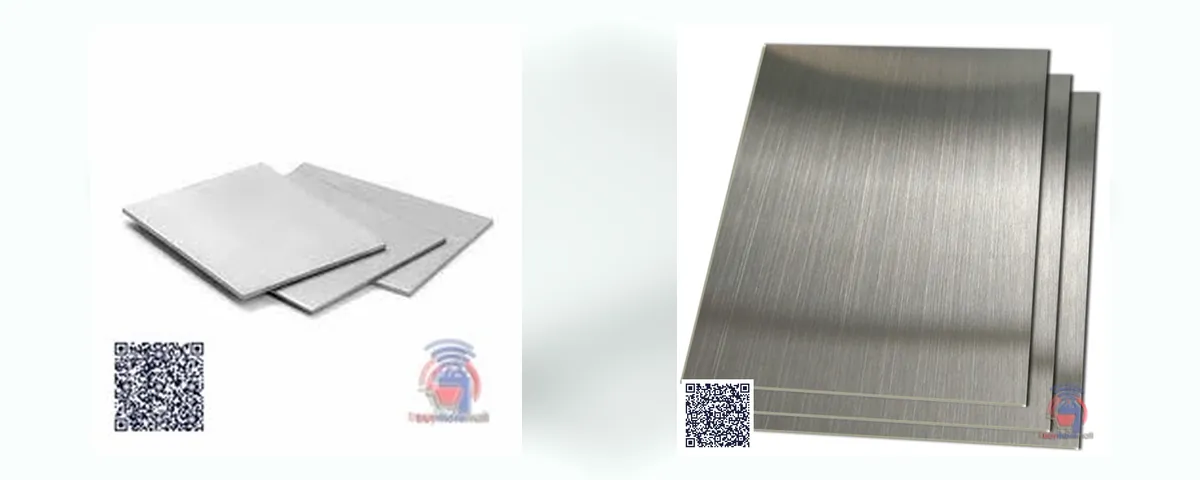
- Higher gauge = thinner
- 16 ga ≈ 1.5 mm, 18 ga ≈ 1.2 mm
- Buy by mm, not gauge
- Thickness depends on the job
On this page
Stainless Steel Gauge to mm Chart
| Gauge | Approx. thickness (mm) | Approx. thickness (inches) |
|---|---|---|
| 10 | 3.4 | 0.135 |
| 11 | 3.0 | 0.120 |
| 12 | 2.7 | 0.105 |
| 14 | 2.0 | 0.078 |
| 16 | 1.6 | 0.063 |
| 18 | 1.2 | 0.050 |
| 20 | 0.9 | 0.038 |
| 22 | 0.8 | 0.031 |
| 24 | 0.6 | 0.025 |
| 26 | 0.5 | 0.019 |
Approximate values for stainless steel; gauge tables for galvanised and mild steel differ slightly. Always confirm the thickness in mm on the quote.
Why Do Gauge Numbers Go Backwards?
Gauge numbers came from the number of times wire was drawn thinner; more drawing gave a higher number and thinner metal. The system stuck for sheet metal, which is why 22 gauge is thinner than 16 gauge. Because gauges vary between metals, most Kenyan suppliers now quote sheets in millimetres.
Which Thickness for Which Job?
| Job | Typical thickness |
|---|---|
| Wall cladding, splash-backs, cabinet doors | 0.6–0.8 mm |
| Shelves and light tables | 1.0–1.2 mm |
| Kitchen work tops, sink tables | 1.2–1.5 mm |
| Tanks, milk equipment, heavy-duty tops | 1.5–2.0 mm |
| Brackets, bases, structural parts | 2.5–3.0 mm |
Sheet Prices by Thickness and Grade
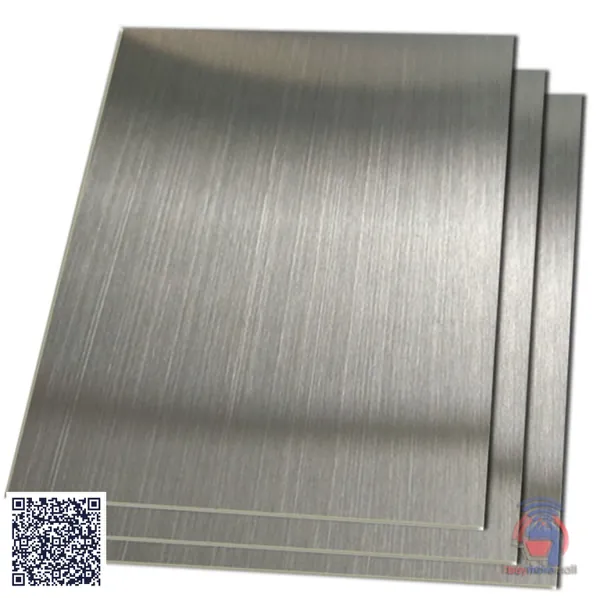 Stainless steel laser sheets (0.5 mm 201)KSh 5,500
 Stainless Steel Laser sheet(1 mm 201)KSh 8,000
 Stainless Steel Laser sheet(1.5 mm 201)KSh 11,300
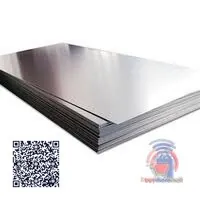 Stainless Steel Laser sheet(2 mm 201)KSh 15,000
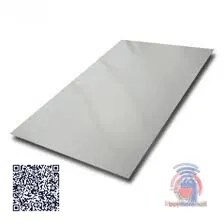 Stainless Steel white sheet(1 mm 201)KSh 8,000
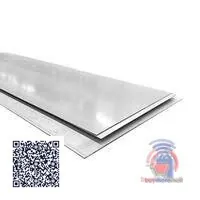 stainless steel Sus sheets (0.8 mm 304)KSh 10,500
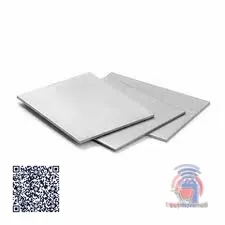 stainless steel Sus sheets (1 mm 304)KSh 14,000
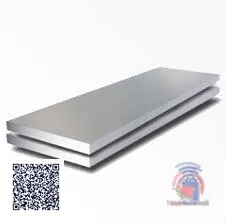 stainless steel Sus sheets 1.5mm 304KSh 18,500
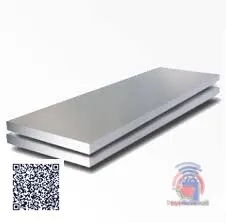 stainless steel Sus sheets 2 mm 304KSh 23,800
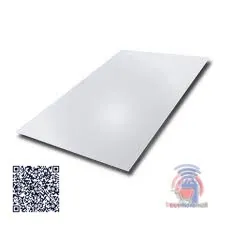 Stainless steel plain sheet (1.5mm 304)KSh 17,500
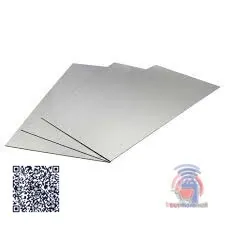 Stainless steel plain sheet (3.0 mm 304)KSh 33,500
| Product | Price |
|---|---|
| Stainless steel laser sheets (0.5 mm 201) | KSh 5,500 |
| Stainless Steel Laser sheet(1 mm 201) | KSh 8,000 |
| Stainless Steel Laser sheet(1.5 mm 201) | KSh 11,300 |
| Stainless Steel Laser sheet(2 mm 201) | KSh 15,000 |
| Stainless Steel white sheet(1 mm 201) | KSh 8,000 |
| stainless steel Sus sheets (0.8 mm 304) | KSh 10,500 |
| stainless steel Sus sheets (1 mm 304) | KSh 14,000 |
| stainless steel Sus sheets 1.5mm 304 | KSh 18,500 |
| stainless steel Sus sheets 2 mm 304 | KSh 23,800 |
| Stainless steel plain sheet (1.5mm 304) | KSh 17,500 |
| Stainless steel plain sheet (3.0 mm 304) | KSh 33,500 |
Current listed prices incl. VAT (updated 13 October 2026).
Grade 201 is cheaper and fine for dry use; 304 is the food-industry standard for wet and washed areas. See 201 vs 304 vs 316 and stainless sheet prices.
How to Measure Sheet Thickness
- Use a micrometer or vernier caliper on a clean edge.
- Measure in several places; coatings and films add a little.
- Weigh a known area and compare with our stainless sheet weight calculator.
Thicker Is Not Always Better
A 2 mm work top is very strong but heavy and much more expensive; a 1.2 mm top with a folded edge and support channels underneath is stiff enough for most kitchens. Good design (folds, ribs, frames) often matters more than raw thickness.
Watch: Fabrication and components
Frequently asked questions
What is 16 gauge stainless steel in mm?
About 1.5–1.6 mm.
Is 18 gauge thicker than 16 gauge?
No. A higher gauge number is thinner; 18 gauge is about 1.2 mm, 16 gauge about 1.5 mm.
What thickness is best for a kitchen work top?
About 1.2–1.5 mm in grade 304, with a folded edge and support underneath.
Is 22 gauge stainless steel good for sinks?
It is thin for heavy use; 18–16 gauge (1.2–1.5 mm) is more durable.
How are stainless sheets sold in Kenya?
Usually by thickness in mm and grade (201 or 304), in standard sheet sizes.