
Home › Guides › Stainless fabrication
Stainless Steel 201 vs 304 vs 316: Which Grade for Food and Dairy Equipment?

Quick answer: 304 is the standard food-grade stainless steel for kitchens, dairy and water equipment. 316 adds molybdenum for better resistance to salt and chemicals, which suits coastal areas, brine and harsh cleaning. 201 is cheaper with less nickel and rusts more easily, so it is best kept to dry, non-food uses.
Key facts
- 304: the everyday food-grade choice
- 316: for salt, brine, chemicals and coastal humidity
- 201: cheaper, less corrosion-resistant; avoid for wet food contact
- Ask the fabricator to state the grade in writing
On this page
Grade comparison
| Grade | Corrosion resistance | Cost | Use it for |
|---|---|---|---|
| 201 | Lower | Lowest | Dry shelving, trims, non-food parts |
| 304 | Good | Medium | Kitchen tables, sinks, milk tanks, pasteurizers, water tanks |
| 316 | Best (salt and chemicals) | Highest | Brine, coastal sites, chemical dosing, harsh cleaning |
How to tell grades apart
You cannot reliably tell grades apart by eye. Ask for the grade on the quotation and invoice.
Stainless equipment we make
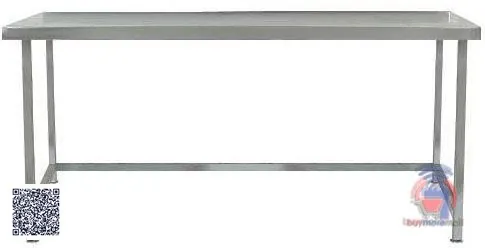 2 by 4 stainlss steel working table without rackKSh 20,000
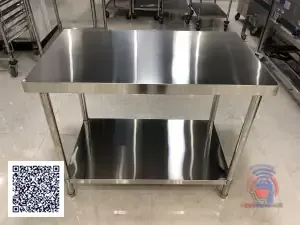 2 by 4 stainless steel working table with rackKSh 25,000
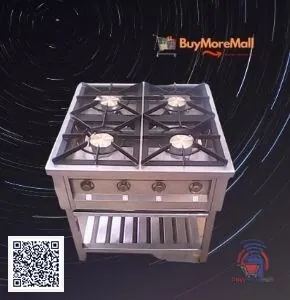 4 burner(jiko) low pressureKSh 38,000
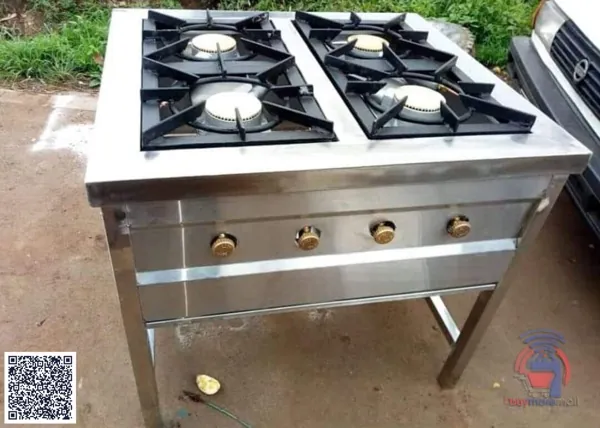 stainless commercial 4 burner high pressure cookerKSh 40,000
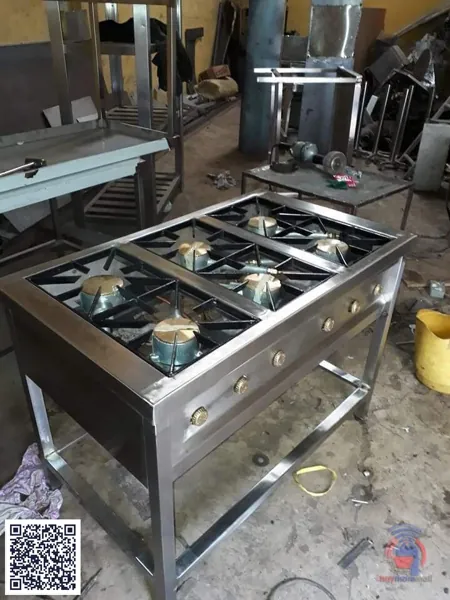 6 burner(cooker)KSh 50,000
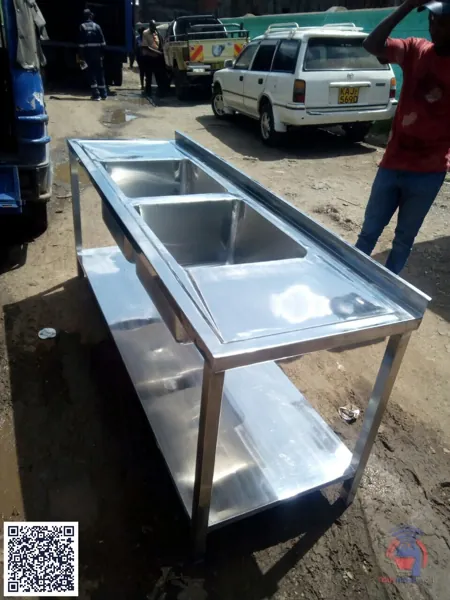 Double sink with tableKSh 68,000
| Model | Size / capacity | Price |
|---|---|---|
| 2 by 4 stainlss steel working table without rack | – | KSh 20,000 |
| 2 by 4 stainless steel working table with rack | – | KSh 25,000 |
| 4 burner(jiko) low pressure | – | KSh 38,000 |
| stainless commercial 4 burner high pressure cooker | – | KSh 40,000 |
| 6 burner(cooker) | – | KSh 50,000 |
| Double sink with table | – | KSh 68,000 |
Current listed prices incl. VAT (updated 30 September 2026). Full range: Stainless steel fabrication.
See stainless steel fabrication and commercial kitchen equipment.
Watch: fabrication and components
Frequently asked questions
Which stainless steel is food grade?
304 is the standard food-grade stainless; 316 is used where salt or chemicals are present.
Is 201 stainless steel safe for food?
It is best avoided for wet food contact because it corrodes more easily.
Is 316 better than 304?
For salt and chemical exposure, yes; for normal kitchens and dairy, 304 is usually enough.
Which grade do you use?
Food-contact equipment is quoted in food-grade stainless; the grade is stated on the quotation.