Washing and Sanitising Returnable Glass Bottles: Steps, Machines and Hygiene Checks
- Pre-rinse, wash, rinse, sanitise
- Brush inside every bottle
- Drain upside down
- Inspect and reject chips
On this page
Why Glass Bottles Need a Strict Routine
Returned bottles come back with milk residue, juice sugar, mould and sometimes non-food liquids. A single contaminated bottle can spoil a batch and harm customers. A written washing routine, done the same way every time, is the cheapest food safety step a small processor can take.
Step-by-Step Washing
- Sort: remove caps and labels; reject chipped, cracked or badly stained bottles.
- Pre-rinse with clean water to remove loose residue.
- Wash in hot water with a food-grade detergent, brushing the inside and the neck.
- Rinse thoroughly to remove detergent.
- Sanitise with hot water or a food-grade sanitiser at the supplier’s concentration and contact time.
- Drain upside down on clean racks; do not wipe the inside with cloths.
- Inspect each bottle against light before filling.
Machines That Help
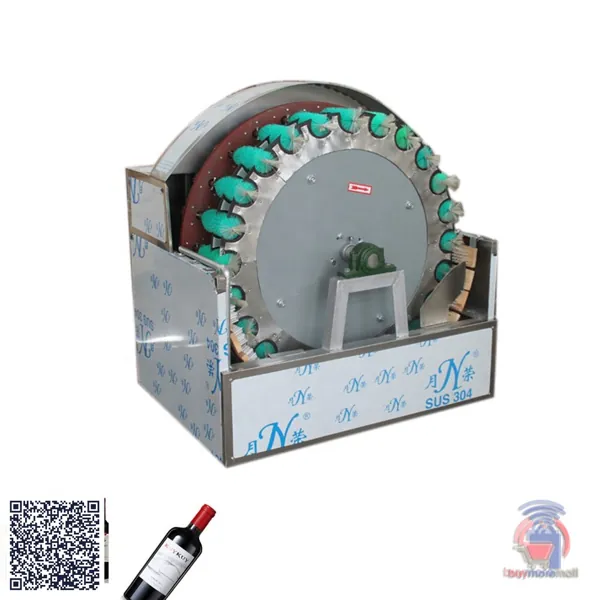 Semi Automatic Bottle Washing Machine and Glass Bottle Brushing MachineKSh 110,000
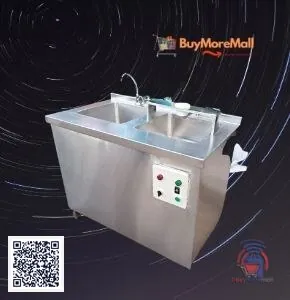 Bottle RinserKSh 110,000
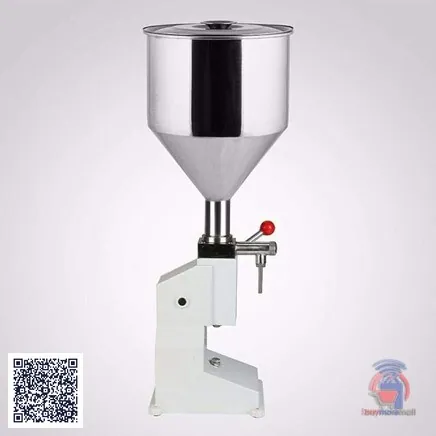 Manual Liquid & Paste Filling MachineKSh 95,000
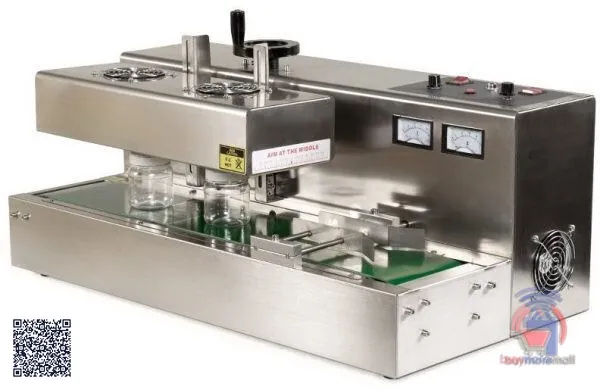 Automatic Induction Sealing MachinesKSh 260,000
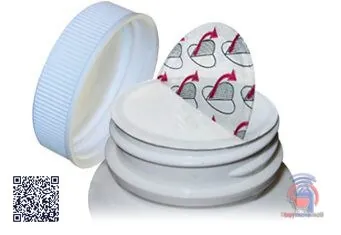 Induction Seal LinersKSh 1,500
 Manual Labelling MachineKSh 50,000
| Product | Price |
|---|---|
| Semi Automatic Bottle Washing Machine and Glass Bottle Brushing Machine | KSh 110,000 |
| Bottle Rinser | KSh 110,000 |
| Manual Liquid & Paste Filling Machine | KSh 95,000 |
| Automatic Induction Sealing Machines | KSh 260,000 |
| Induction Seal Liners | KSh 1,500 |
| Manual Labelling Machine | KSh 50,000 |
Current listed prices incl. VAT (updated 18 October 2026).
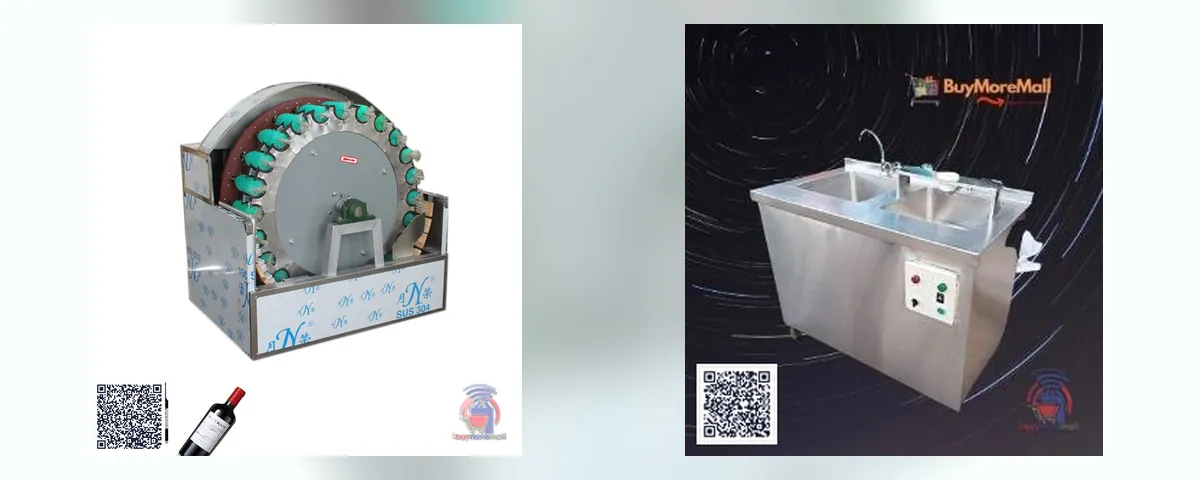
The bottle washer brushes inside and outside; a bottle rinser gives a final clean rinse; after filling, induction sealing and labelling finish the pack. See induction vs heat sealing and bottle labelling machines.
Water Quality Matters
The final rinse water should be treated and safe to drink; otherwise you re-contaminate clean bottles. Use treated or RO water for rinsing (see water treatment for food factories).
Records and Checks
- Log sanitiser concentration and times each day.
- Do periodic swab tests with a laboratory.
- Train staff and keep the washing area separate from filling.
Running a juice or dairy business? See juice bottling business and yoghurt business.
Frequently asked questions
How do you sanitise glass bottles for juice?
Wash with hot detergent and brushes, rinse, sanitise with hot water or a food-grade sanitiser, drain upside down and inspect.
Can I reuse glass bottles for milk?
Yes, with a strict washing and sanitising routine and inspection.
What machine washes glass bottles?
A semi-automatic bottle washing machine with brushes, followed by a rinser.
Should I dry bottles with a cloth?
No; drain upside down on clean racks to avoid recontamination.
Which bottles should be rejected?
Chipped, cracked, stained or bottles used for chemicals.