
Water Treatment for Food, Juice, Dairy and Bakery Factories: What You Need and Why
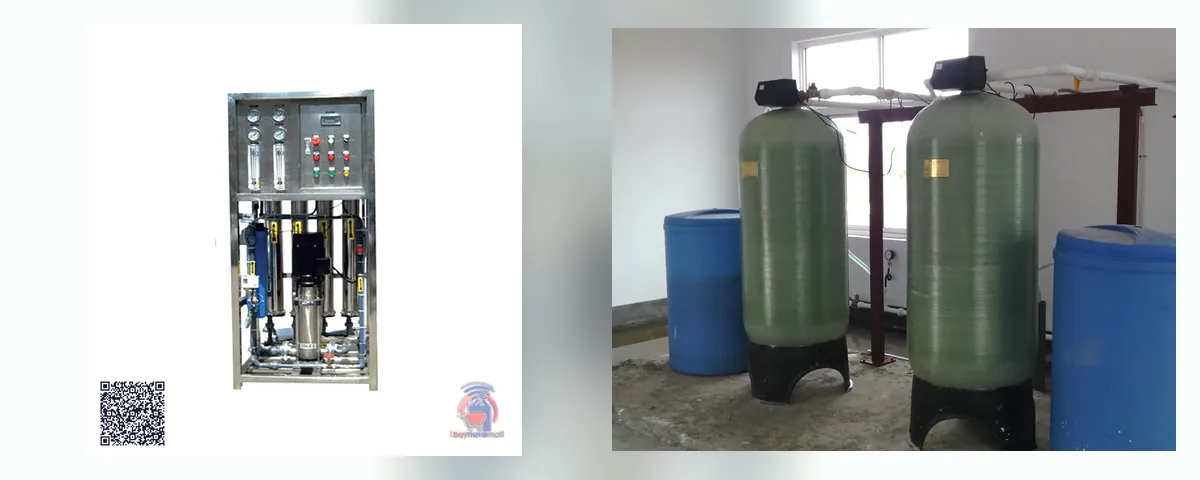
- Ingredient, cleaning, boiler water
- Test before you design
- RO + UV for drinks
- Softeners stop scale
On this page
Why Water Quality Matters in Food Processing
Water is an ingredient in juice, soft drinks, yoghurt, bread and sauces, and it touches every surface during cleaning. Hard water leaves scale in boilers, pasteurisers and pipes; high TDS changes taste; microbes cause spoilage and recalls. KEBS product certification also looks at the water used.
Three Grades of Water
| Use | Typical treatment |
|---|---|
| Ingredient water (drinks, juice, yoghurt, dough) | Sediment + carbon filtration, RO, UV; sometimes remineralisation |
| Cleaning and CIP | Filtered, softened, disinfected |
| Boilers and steam | Softened (see boiler feed water treatment) |
Equipment
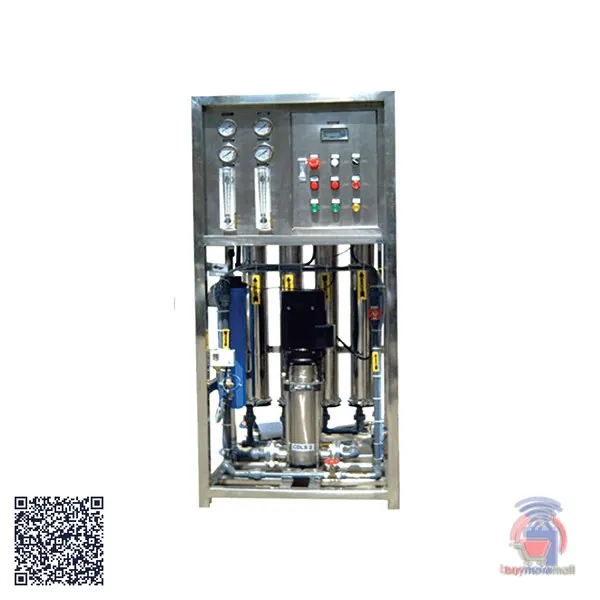 RO Machine 250lph (1 Membrane System)KSh 290,000
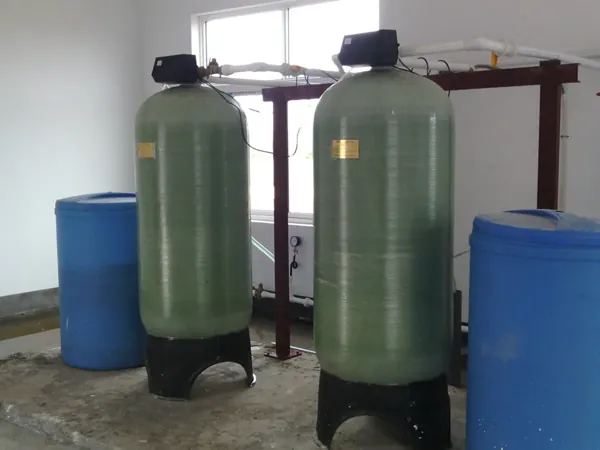 1 T/H 0844 H-Tech Water Softener MachineKSh 60,400
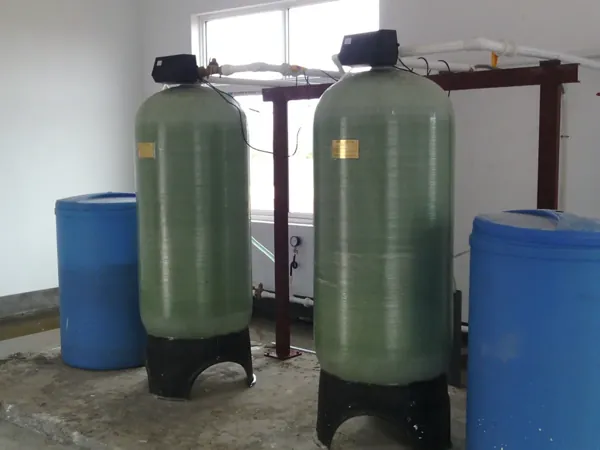 2 T/H 1254 H-Tech Water Softener MachineKSh 95,000
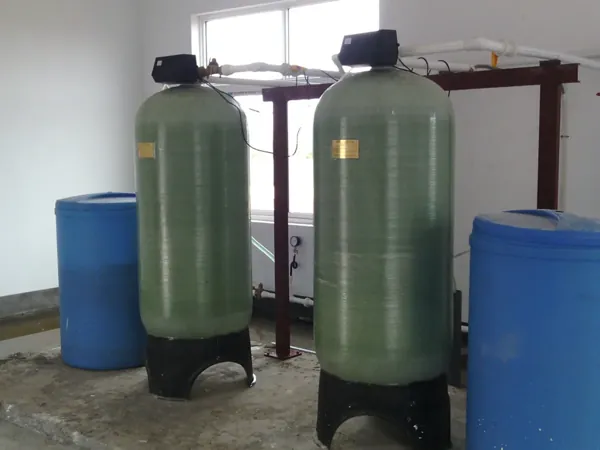 3 T/H 1465 H-Tech Water Softener MachineKSh 135,000
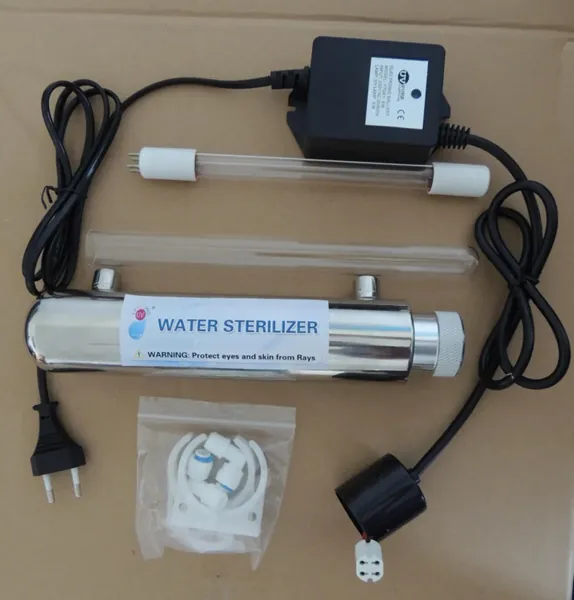 H-Tech 6GPM 25W UV SterilizerKSh 13,000
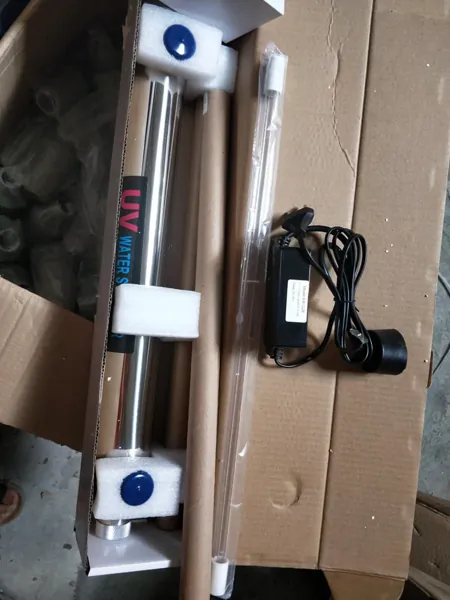 H-Tech 12GPM 55W UV SterilizerKSh 40,000
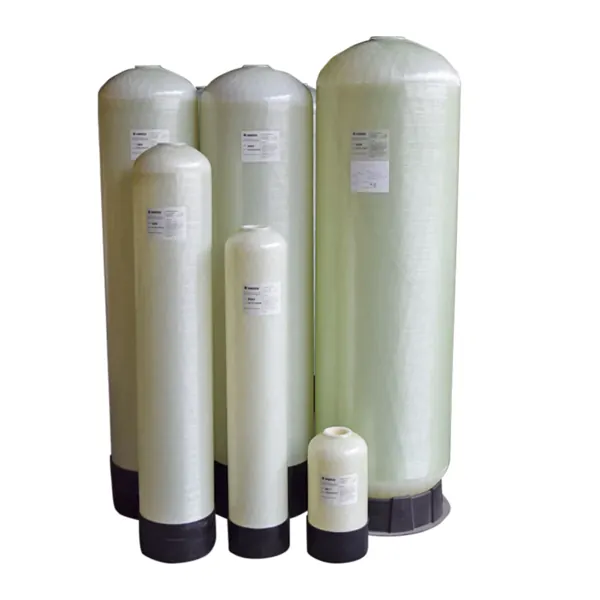 1252 FRP Tanks and PP FiltersKSh 23,000
 TDS Handheld MeterKSh 6,500
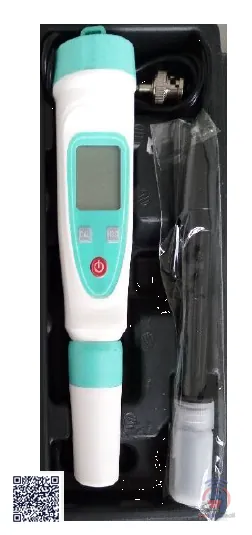 pH Handheld MeterKSh 4,500
| Product | Price |
|---|---|
| RO Machine 250lph (1 Membrane System) | KSh 290,000 |
| 1 T/H 0844 H-Tech Water Softener Machine | KSh 60,400 |
| 2 T/H 1254 H-Tech Water Softener Machine | KSh 95,000 |
| 3 T/H 1465 H-Tech Water Softener Machine | KSh 135,000 |
| H-Tech 6GPM 25W UV Sterilizer | KSh 13,000 |
| H-Tech 12GPM 55W UV Sterilizer | KSh 40,000 |
| 1252 FRP Tanks and PP Filters | KSh 23,000 |
| TDS Handheld Meter | KSh 6,500 |
| pH Handheld Meter | KSh 4,500 |
Current listed prices incl. VAT (updated 18 October 2026).
For larger plants see industrial RO plants and size with the RO plant size calculator.
How to Design the System
- Test raw water at an accredited lab (hardness, TDS, iron, manganese, bacteria).
- Measure daily water use for each grade and the peak flow.
- Choose pre-treatment (sediment, carbon, iron removal) to protect RO membranes.
- Soften water for boilers and cleaning.
- RO and UV for ingredient water; add storage sized for peak demand.
- Monitor daily with TDS and pH meters and keep records.
Maintenance
- Change cartridges and clean membranes on schedule (see RO maintenance).
- Regenerate softeners and top up salt.
- Replace UV lamps yearly (see UV lamp replacement).
- Clean and disinfect storage tanks regularly.
Watch: RO purifiers and water ATMs
Frequently asked questions
What water treatment does a juice factory need?
Usually filtration, RO and UV for ingredient water, plus softening for boilers and cleaning.
Why do food factories need water softeners?
Hard water causes scale in boilers, pasteurisers and pipes.
Is RO water good for food processing?
Yes for ingredient water; some products need remineralisation for taste.
How do I size a water treatment system?
From a lab test and your daily and peak water use for each grade.
How often should water be tested?
Regularly, as your quality plan and certification require; monitor TDS and pH daily.