
Home › Guides › Water treatment
How to Chlorinate Water Tanks and Boreholes Safely
- Shock chlorination = one-off disinfection, then flush
- Continuous dosing keeps a small free chlorine level
- Use products labelled for drinking water; follow the label dose
- Allow contact time, then test free chlorine
On this page
Shock Chlorination vs Continuous Dosing
| Shock chlorination | Continuous dosing | |
|---|---|---|
| When | New tank or borehole, after repairs, after contamination | Every day, for water that may pick up germs |
| Dose | High, for a set contact time | Low and steady |
| Afterwards | Flush until the strong smell is gone | Water is used normally |
| Equipment | Measured chlorine and a bucket | Dosing pump and solution tank |
Choosing a Chlorine Product
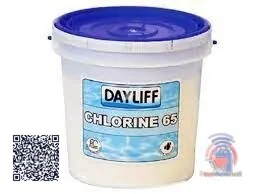
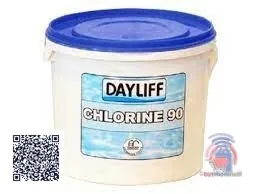
Chlorine for water comes as granules, tablets and liquids of different strengths. Products made for swimming pools are often stabilised and are not meant for drinking water. Read the label: use a product that allows drinking-water use, and follow its dose for the volume you are treating.
Chlorine products we stock (check each label for its approved use):
| Product | Price |
|---|---|
| DAYLIFF CHLORINE 65 | KSh 3,625 |
| DAYLIFF CHLORINE 90 | KSh 3,000 |
Current listed prices incl. VAT (updated 5 October 2026).
How to Shock-Chlorinate a Storage Tank
- Clean the tank first: chlorine works poorly on mud and slime. See how to clean a water tank.
- Fill the tank and add the measured chlorine dose for its volume.
- Open each tap until you smell chlorine, then close them so the pipes are disinfected too.
- Leave it for the contact time on the product label.
- Drain and refill, or flush until the strong smell has gone, before drinking.
Boreholes are shock-chlorinated after drilling and pump repairs; ask the driller or a water engineer for the dose and contact time for your well depth.
Continuous Dosing with a Dosing Pump
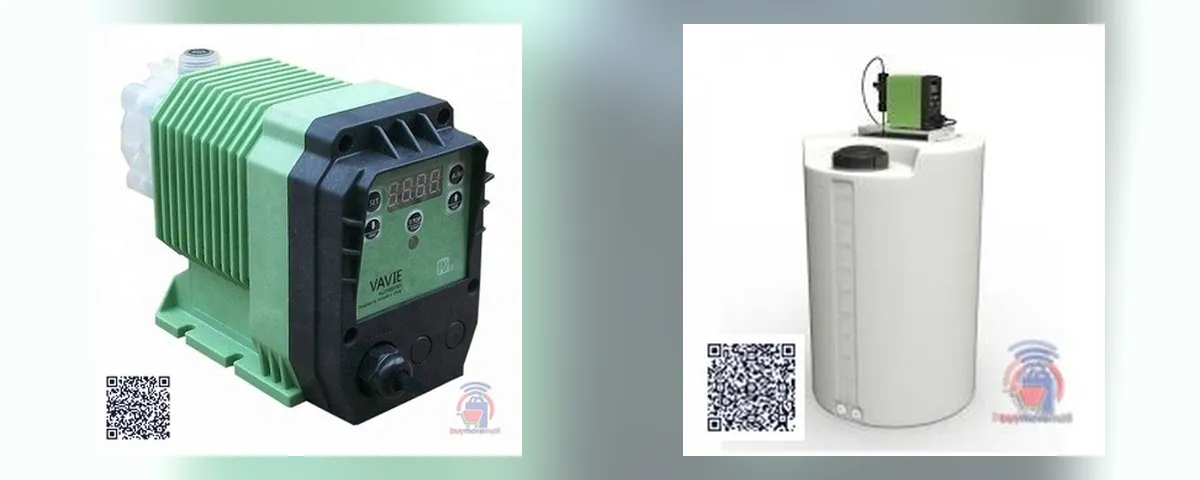
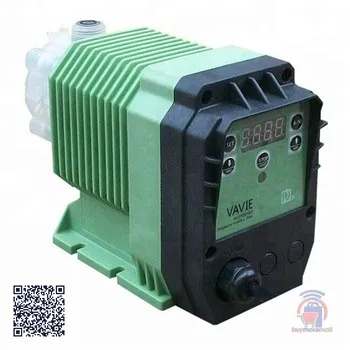
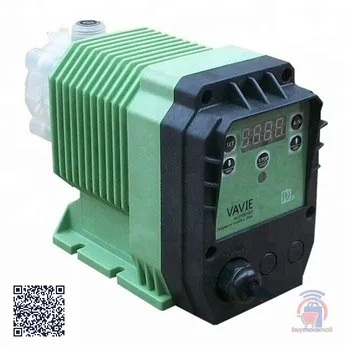
A dosing pump injects a small amount of chlorine solution into the line, usually controlled by flow, so every litre gets the same dose. It is used in schools, hospitals, estates and treatment plants.
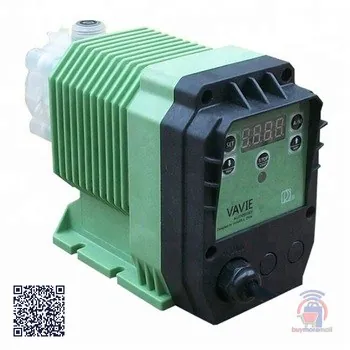 Dosing Pump 2l/hKSh 23,000
 Dosing Pump 5l/hKSh 28,000
 H-TECH Chemical Dosing Pump RangeKSh 23,000
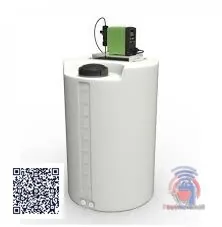 Chemical dosing tankKSh 12,000
| Product | Price |
|---|---|
| Dosing Pump 2l/h | KSh 23,000 |
| Dosing Pump 5l/h | KSh 28,000 |
| H-TECH Chemical Dosing Pump Range | KSh 23,000 |
| Chemical dosing tank | KSh 12,000 |
Current listed prices incl. VAT (updated 5 October 2026).
More on pumps: chemical dosing pump guide.
Testing Chlorine
Test free chlorine at the tap with a test kit. The WHO drinking-water guidelines recommend a residual of at least 0.2 mg/L at the point of delivery, with a guideline maximum of 5 mg/L.
Safety
- Store chlorine dry, cool and away from children and acids.
- Never mix different chlorine products or chlorine with acids: toxic gas can form.
- Add chlorine to water, not water to chlorine, and wear gloves and eye protection.
Water for RO machines must be dechlorinated first, because chlorine damages RO membranes: see activated carbon filters.
Watch: RO purifiers and water ATMs
Frequently asked questions
How do I chlorinate a water tank?
Clean it, fill it, add the label dose for its volume, run each tap until you smell chlorine, wait the contact time, then flush before drinking.
How much chlorine is safe in drinking water?
WHO guidance is a free chlorine residual of at least 0.2 mg/L at the point of delivery, with a guideline maximum of 5 mg/L.
Can I use swimming pool chlorine for drinking water?
Only if its label allows drinking-water use; many pool products are stabilised and not meant for drinking water.
What is shock chlorination?
A strong one-off dose to disinfect a new or contaminated tank or borehole, which is then flushed out.
Does chlorine damage RO membranes?
Yes, RO feed water is passed through activated carbon or dechlorinated first.