
How to Supply Vegetables to Supermarkets in Kenya: Requirements, Packaging and Getting Paid

- Consistency beats volume
- Grade, pack and label
- Expect credit terms
- Tray wrap or seal bags
On this page
What Supermarkets Look For
- Reliability: the agreed quantity on the agreed day, every week.
- Grading: uniform size and ripeness; no bruised or damaged produce.
- Presentation: clean, attractive packs that sell on the shelf.
- Labels and traceability: who packed it and when.
- Paperwork: registered business, KRA PIN and invoices; some buyers ask for county health or food safety records.
Steps to Become a Supplier
- Register the business and get a KRA PIN; open a bank account for payments.
- Choose 3–5 products you can supply all year (sukuma, spinach, tomatoes, onions, herbs, avocados, fruit).
- Visit the store and ask for the fresh-produce buyer or category manager.
- Bring samples packed the way you will deliver them, with a price list.
- Agree on pack sizes, labels, delivery days and payment terms; sign the supplier agreement.
- Start small, deliver perfectly, then grow.
Packaging Equipment
 Tray Wrapping Machine HW 450KSh 50,625
 Foot Operated SealersKSh 90,000
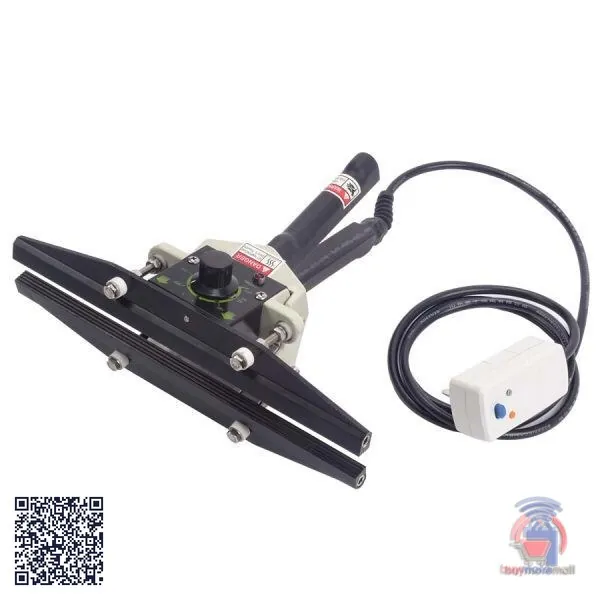 Hand Operated Sealing Machines(10cm)KSh 7,000
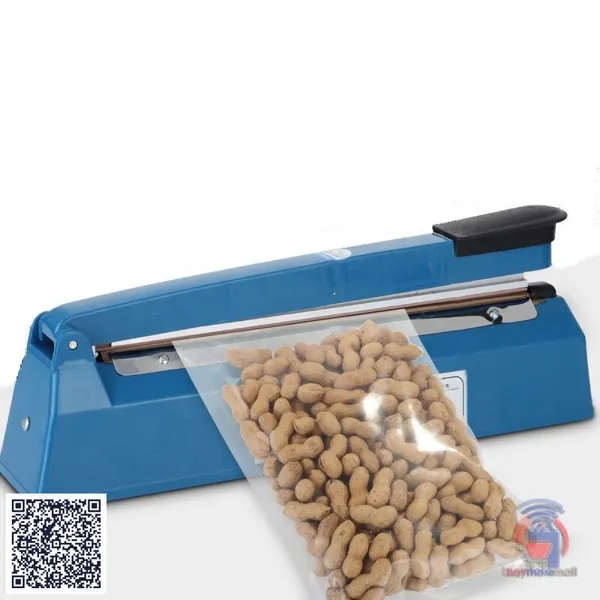 Plastic Bag Manual Heat Sealing Machine Mylar Bag Vacuum SealerKSh 17,000
 Manual Labelling MachineKSh 50,000
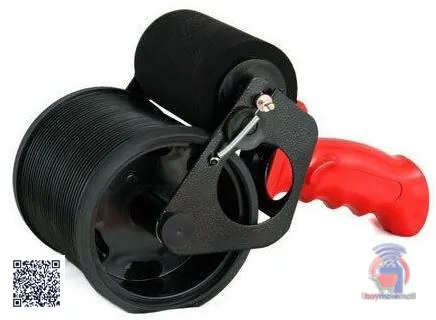 Manual Coding MachinesKSh 25,000
| Product | Price |
|---|---|
| Tray Wrapping Machine HW 450 | KSh 50,625 |
| Foot Operated Sealers | KSh 90,000 |
| Hand Operated Sealing Machines(10cm) | KSh 7,000 |
| Plastic Bag Manual Heat Sealing Machine Mylar Bag Vacuum Sealer | KSh 17,000 |
| Manual Labelling Machine | KSh 50,000 |
| Manual Coding Machines | KSh 25,000 |
Current listed prices incl. VAT (updated 13 October 2026).
The tray wrapper seals cling film over trays using a heated Teflon plate and takes film rolls up to 450 or 550 mm wide (see the product page). Bag sealers suit herbs, peas and cut vegetables. See bag sealing machine guide.
Labels and Dates
Each pack needs the product name, net weight, price (or price per kg), packing date and your business name and contact. A manual labeller and a simple date coder keep labels neat: see batch coding and expiry date printing.
Cold Chain and Shelf Life
Harvest early, keep produce shaded, cool it before packing and deliver fast. A display fridge or cold store at your packing point extends life: display fridge buying guide.
Payment Terms and Cash Flow
Many supermarkets pay on credit, often 30–60 days after delivery. Plan cash for 2–3 months of farm and packing costs before the first payment, keep copies of every signed delivery note, and invoice promptly. Price for losses: returns of unsold or damaged packs happen.
Planning a packing business? See how to start a packaging business.
Frequently asked questions
How do I become a supermarket supplier in Kenya?
Register the business, get a KRA PIN, present samples and prices to the fresh-produce buyer and sign a supplier agreement.
How long do supermarkets take to pay suppliers?
Often 30–60 days after delivery, depending on the agreement.
How are vegetables packed for supermarkets?
Graded produce on trays wrapped in cling film or in sealed bags, with a label.
What should be on a vegetable label?
Product name, net weight, price, packing date and supplier details.
Do I need a big farm to supply supermarkets?
No, but you need steady supply; many suppliers aggregate from several farmers.