
Home › Guides › Stainless fabrication
How to Weld Stainless Steel (TIG): Gas, Tungsten, Filler Rod and Food-Grade Finishing
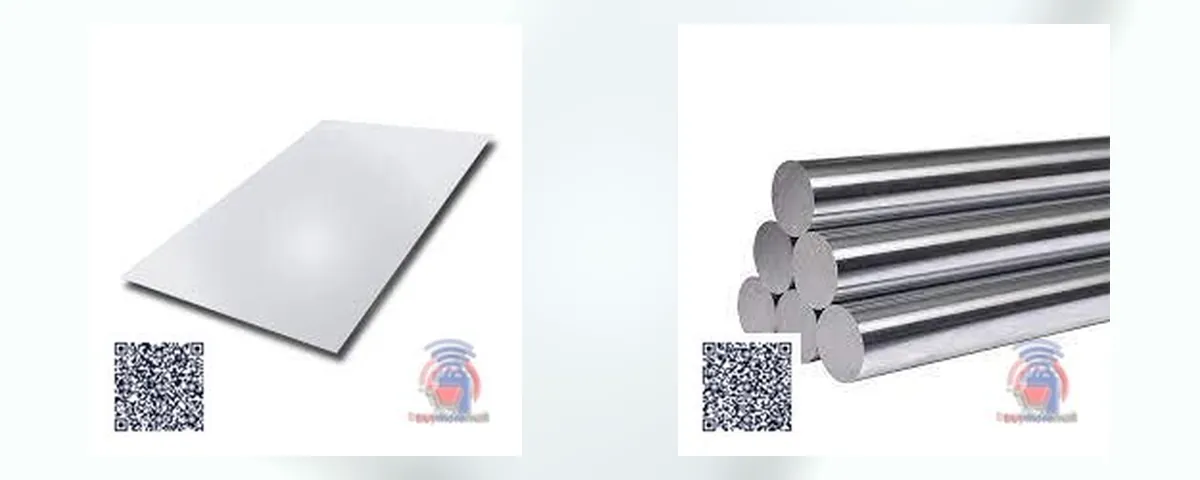
- Pure argon, DCEN
- ER308L for 304, ER316L for 316
- Low heat, back purge
- Pickle and passivate
On this page
Why TIG for Stainless?
TIG (GTAW) gives clean, precise welds with no spatter, which is what food and dairy equipment needs: smooth joints that do not trap milk or food. MIG is faster for thick structural work, and stick welding works for repairs, but neither gives the same sanitary finish.
Set-Up
| Setting | Typical choice |
|---|---|
| Polarity | DC electrode negative (DCEN) |
| Shielding gas | Pure argon |
| Tungsten | 2% lanthanated or ceriated, sharpened to a point |
| Filler for 304 | ER308L |
| Filler for 316 | ER316L |
| Thin sheet (around 1 mm) | Low current, small tungsten and filler |
Settings depend on the machine and thickness; practise on off-cuts first. Grades are explained in 201 vs 304 vs 316.
Technique
- Clean the joint with a stainless-only brush and solvent.
- Fit up tightly; thin stainless warps easily, so tack every few centimetres.
- Keep heat low and travel steadily; too much heat discolours and weakens corrosion resistance.
- Back purge the inside of pipes and tanks with argon so the root does not oxidise ("sugar").
- Let the post-flow gas cover the weld as it cools.
Avoid Contamination
Iron particles from carbon steel tools, grinding discs or work benches embed in stainless and later show as rust spots. Use separate brushes, discs and clamps for stainless, and do not grind carbon steel nearby.
Finishing for Food Equipment
- Remove heat tint with pickling paste or electrochemical cleaning.
- Passivate so the protective chromium oxide layer re-forms.
- Polish food-contact welds smooth so they are easy to clean.
Materials
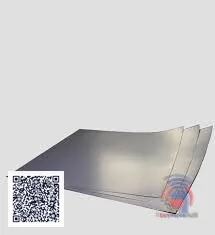 Stainless steel plain sheet (1.5mm 201)KSh 10,300
 Stainless steel plain sheet (1.5mm 304)KSh 17,500
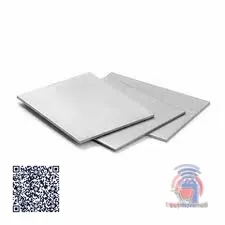 stainless steel Sus sheets (1 mm 304)KSh 14,000
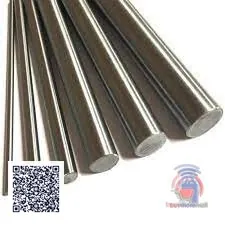 Stainless Steel Rod bar(6mmx4mtrs g304 round bar)KSh 1,320
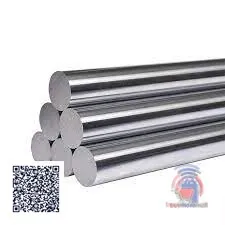 Stainless Steel Rod bar(16mmx5.8mtrs g304 round bar)KSh 11,600
| Product | Price |
|---|---|
| Stainless steel plain sheet (1.5mm 201) | KSh 10,300 |
| Stainless steel plain sheet (1.5mm 304) | KSh 17,500 |
| stainless steel Sus sheets (1 mm 304) | KSh 14,000 |
| Stainless Steel Rod bar(6mmx4mtrs g304 round bar) | KSh 1,320 |
| Stainless Steel Rod bar(16mmx5.8mtrs g304 round bar) | KSh 11,600 |
Current listed prices incl. VAT (updated 12 October 2026).
Sheet weights and prices: stainless sheet price, sheet weight calculator and pipe, tube and rod prices.
Need It Made Instead?
Tanks, tables, milk equipment and custom parts are fabricated in our workshop with food-grade welds: see stainless fabrication cost.
Watch: Fabrication and components
Frequently asked questions
What gas is used to TIG weld stainless steel?
Pure argon is the standard shielding gas.
What filler rod do I use for 304 stainless?
ER308L; use ER316L for 316 stainless.
Why does my stainless weld turn black or rust?
Too much heat, no back purge or carbon steel contamination; pickle and passivate after welding.
What tungsten is best for stainless?
2% lanthanated or ceriated tungsten, sharpened to a point.
Can you weld stainless steel with a stick welder?
Yes with stainless electrodes, but TIG gives the clean, sanitary welds food equipment needs.