
Automatic Pump Controllers: How They Work, Which Type You Need and How to Connect One
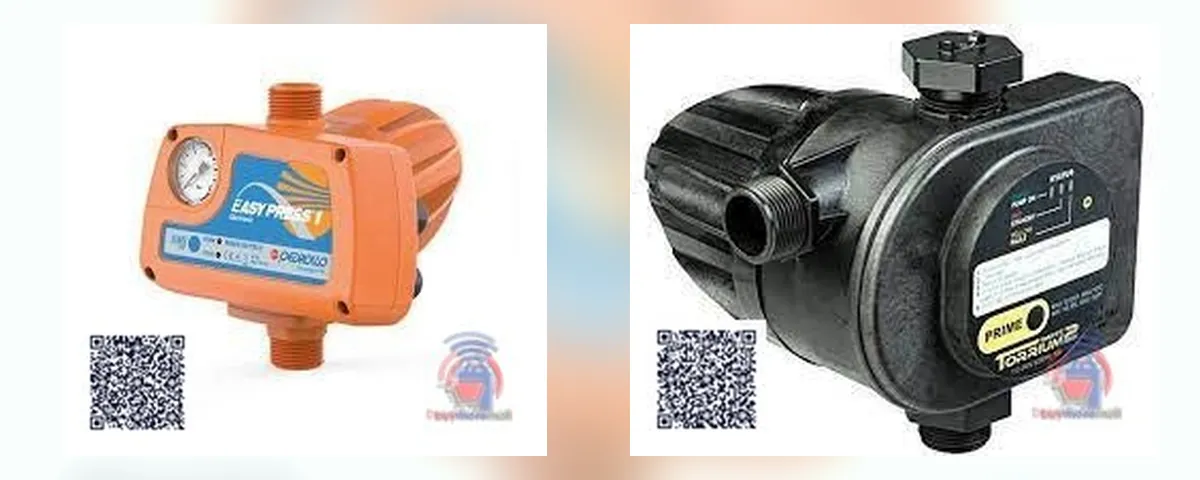
- Starts on demand, stops on no flow
- Dry-run protection
- Match the pump current
- Install after the pump outlet
On this page
How Does a Pump Controller Work?
The controller sits on the pump's outlet. When you open a tap, pressure in the pipe drops below the start pressure and the controller switches the pump on. While water flows, it keeps the pump running. When the tap closes and flow stops, it waits a few seconds and switches the pump off. If there is no water (empty tank, lost prime), most controllers stop the pump to protect it.
Pump Controllers at H-TECH
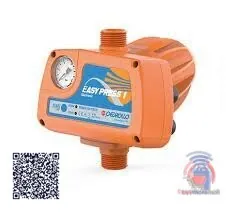 PEDROLLO EASY PRESS PUMP CONTROLLERKSh 24,000
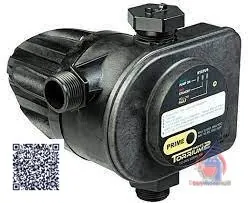 DAVEY TORRIUM II PUMP CONTROLLERKSh 29,000
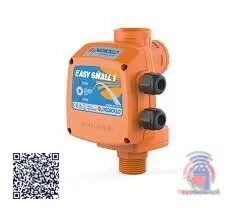 PEDROLLO EASY SMALLKSh 9,200
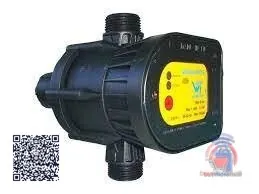 MONDIAL PUMP CONTROLLERKSh 8,500
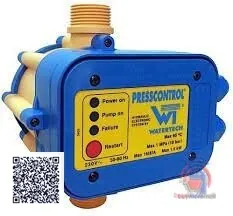 DAYLIFF PRESS CONTROL 1.5KWKSh 15,750
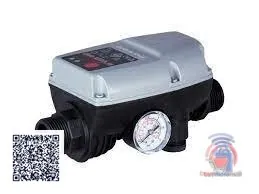 DAYLIFF BRIO PUMP CONTOLLERKSh 18,530
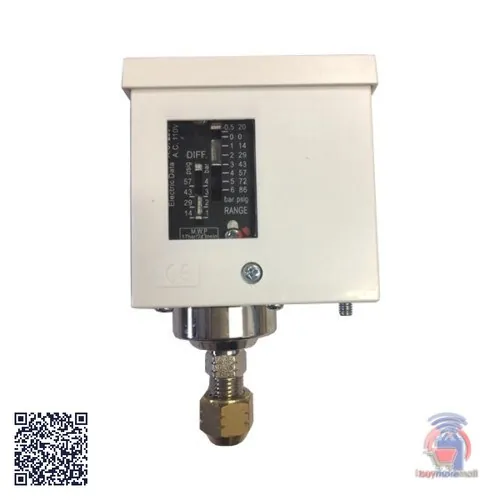 Pressure SwitchKSh 4,500
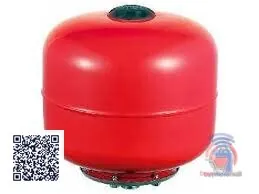 24L VAREM KS KITKSh 9,000
| Product | Price |
|---|---|
| PEDROLLO EASY PRESS PUMP CONTROLLER | KSh 24,000 |
| DAVEY TORRIUM II PUMP CONTROLLER | KSh 29,000 |
| PEDROLLO EASY SMALL | KSh 9,200 |
| MONDIAL PUMP CONTROLLER | KSh 8,500 |
| DAYLIFF PRESS CONTROL 1.5KW | KSh 15,750 |
| DAYLIFF BRIO PUMP CONTOLLER | KSh 18,530 |
| Pressure Switch | KSh 4,500 |
| 24L VAREM KS KIT | KSh 9,000 |
Current listed prices incl. VAT (updated 19 October 2026).
Controller vs Pressure Switch vs Pressure Tank
| Pump controller | Pressure switch + tank | |
|---|---|---|
| How it switches | Pressure + flow | Pressure only |
| Dry-run protection | Usually built in | Needs extra device |
| Space | Compact | Tank takes space |
| Best for | Houses, small booster sets | Systems needing stored pressure, fewer starts |
For tank-based systems see booster pump and pressure tank guide and how to adjust a pressure switch.
How to Choose a Controller
- Current and power: the controller must be rated above your pump's full-load current (check the pump nameplate).
- Voltage: single-phase or three-phase.
- Start pressure: must be lower than the pump's maximum pressure and suit the height of your highest tap.
- Connections: thread size to match your pipework.
- Extras: some models have adjustable start pressure, restart timers or digital displays.
How to Connect a Pump Controller (Basics)
- Fit it vertically on the pump outlet, with the arrow pointing in the direction of flow.
- Use a non-return valve where the instructions require one, and no tap or valve between pump and controller.
- Have a qualified electrician wire the supply and pump to the controller terminals, with correct earthing and a breaker sized for the pump.
- Prime the pump, switch on and open a tap; the pump should start, then stop a few seconds after the tap closes.
Safety: mains electricity and water are dangerous together. Electrical connection must be done by a qualified electrician following the manufacturer's wiring diagram.
Troubleshooting
| Problem | Likely cause |
|---|---|
| Pump keeps starting and stopping | Small leak or dripping tap; start pressure set too high |
| Pump does not start | Start pressure higher than the pump can make; power fault |
| "Dry run" fault light | No water in the tank, air in the pump, blocked suction |
More fixes: water pump troubleshooting.
Frequently asked questions
How does a pump controller work?
It switches the pump on when pressure drops as a tap opens and off when flow stops, and protects against dry running.
Do I still need a pressure tank with a pump controller?
Not usually for a house booster; a small tank can reduce starts for leaky systems.
How do I connect a pump controller?
Vertically on the pump outlet in the flow direction, wired by an electrician to the manufacturer's diagram.
Why does my pump keep cycling?
Usually a leak, a dripping tap or a start pressure set too high.
Which controller fits my pump?
One rated above your pump's current, with the right voltage and a suitable start pressure.