Single-Phase vs Three-Phase Motors: Differences, Uses and Which to Choose
- Single phase: 240 V, small loads
- Three phase: 415 V, bigger machines
- Match the motor to your supply
- VFD for small 3-phase on 1-phase
On this page
Key Differences
| Single-phase | Three-phase | |
|---|---|---|
| Supply | 240 V, homes and small shops | 415 V, factories and larger premises |
| Typical size | Fractional to about 2–3 hp | From about 1 hp to very large |
| Starting | Needs a start capacitor or winding | Self-starting |
| Efficiency and smoothness | Lower; more vibration | Higher; smoother running |
| Maintenance | Capacitors and switches wear | Simpler construction |
Motors on H-TECH’s Price List
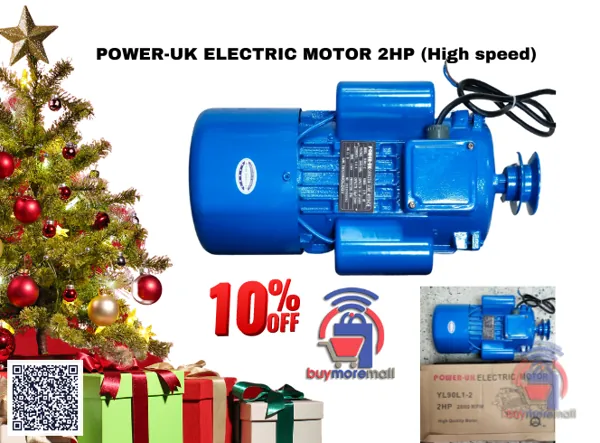 POWER-UK ELECTRIC MOTOR 2HP (High speed)KSh 21,000
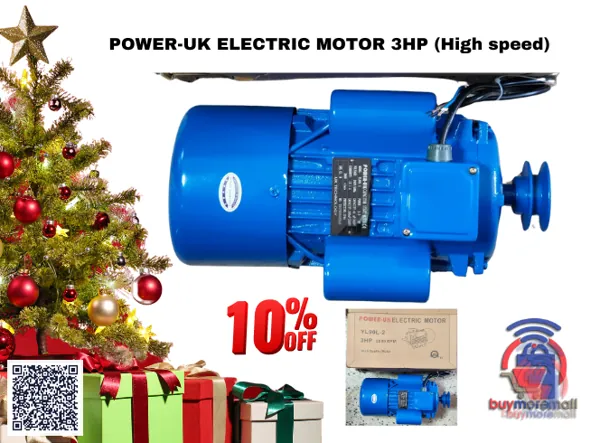 POWER-UK ELECTRIC MOTOR 3HP (High speed)KSh 24,000
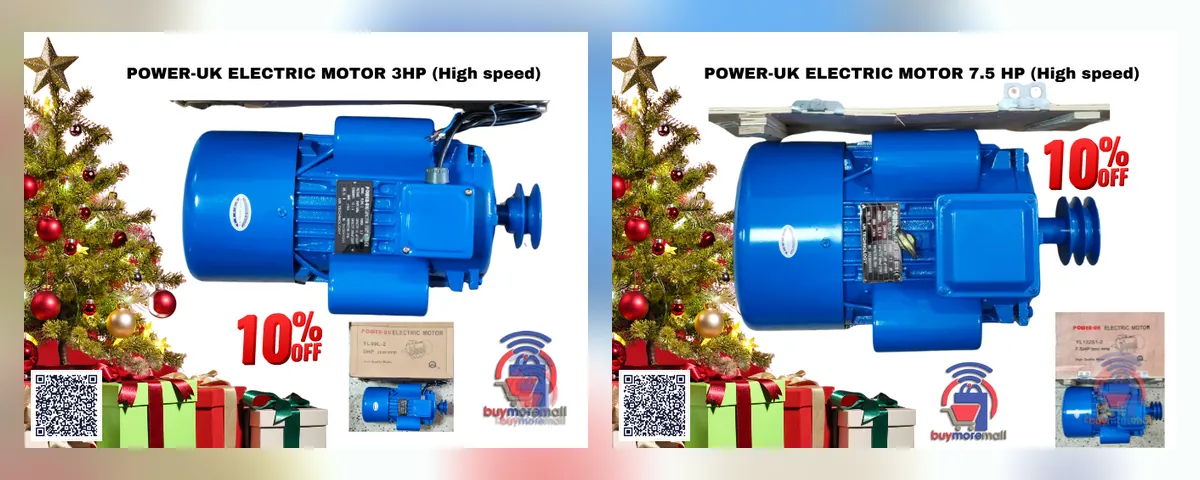
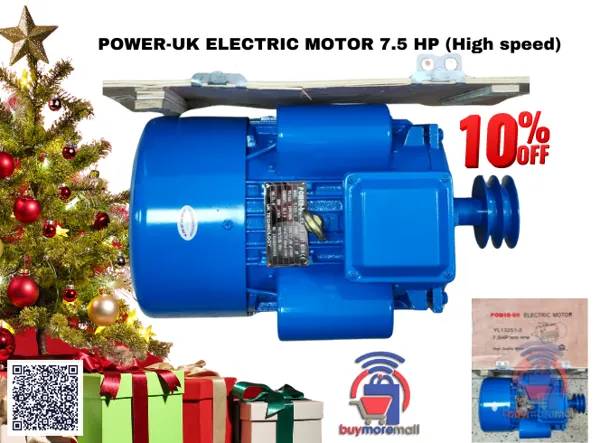 POWER-UK ELECTRIC MOTOR 7.5HP (High speed)KSh 39,000
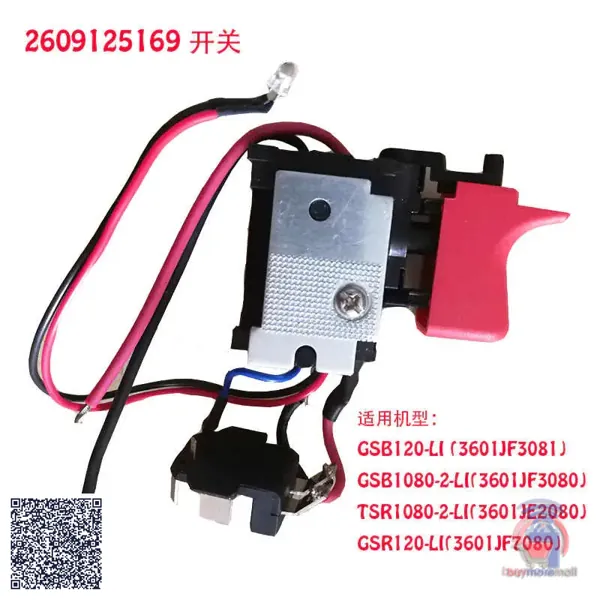 DL2A/2 Electronic Speed Regulating Switch For TSR1080-2-LI Drill 2609125169 3601JE2080 Electric Drill Screwdriver Tool PartsKSh 2,150
Current listed prices incl. VAT (updated 13 October 2026).
Check each motor’s nameplate (voltage, phase, hp/kW, speed) on the product page before ordering; size it with the motor hp guide.
How to Know What Supply You Have
- Look at the meter and main switch: three-phase supply has three live cables and a bigger isolator.
- Check the KPLC bill or contract for the supply type.
- Ask an electrician to test before buying a motor.
Running a Three-Phase Motor on Single-Phase Power
Small three-phase motors can run from single-phase supply through a variable frequency drive (VFD) rated for single-phase input. It also gives soft starting and speed control. Static phase converters are cheaper but lose power. For large motors, applying for three-phase supply is usually better. Always have a qualified electrician install drives and protection.
Speed: High vs Low Speed Motors
Two-pole motors run near 2,900 rpm on 50 Hz (high speed, common on pumps); four-pole near 1,450 rpm (more torque, common on mixers and conveyors). Match the speed to the machine, or use pulleys or a gearbox.
Repair or Replace?
Burnt windings can often be rewound; compare the cost with a new, more efficient motor in rewinding vs replacement.
Powering pumps? See how to choose a water pump.
Frequently asked questions
What is the difference between single-phase and three-phase motors?
Single-phase runs on 240 V for small loads; three-phase runs on 415 V and is more efficient for bigger machines.
Can I run a three-phase motor on single-phase power?
Small motors can, through a VFD rated for single-phase input, installed by an electrician.
Which is better, single-phase or three-phase?
Three-phase for larger machines; single-phase where only domestic supply is available.
How do I know if my supply is three-phase?
Three live cables at the meter and main switch; confirm with an electrician or KPLC.
What hp single-phase motor is the maximum?
Single-phase motors are generally used up to about 2–3 hp.