
Home › Guides › Stainless fabrication
Stainless Steel Castor Wheels: How to Choose Swivel, Fixed or Braked Castors and the Right Size
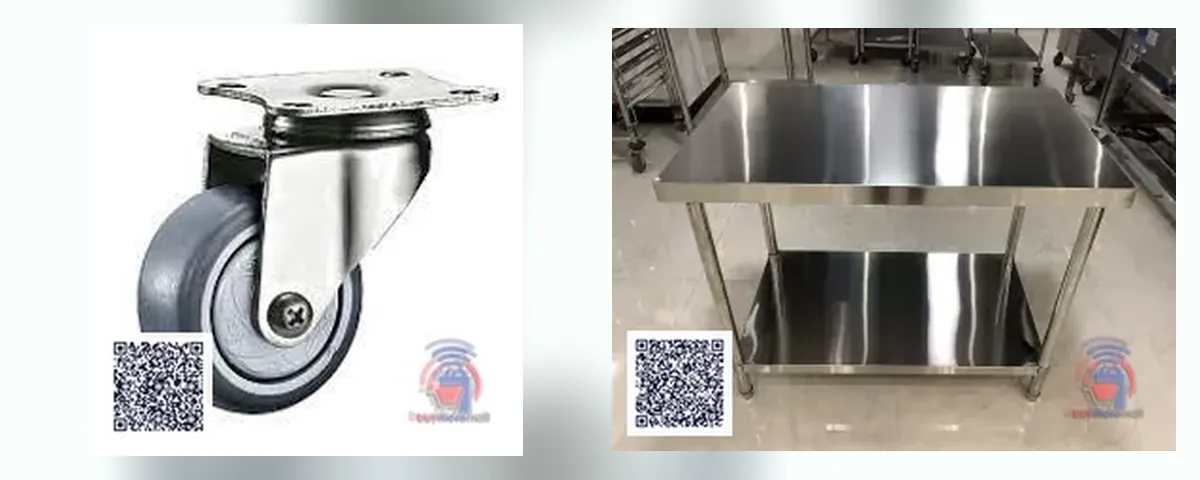
- Two braked swivel + two fixed
- 4" light, 5–6" heavy
- Size for weight ÷ 3
- Stainless for wet, washed areas
On this page
Swivel, Fixed and Braked Castors
| Type | What it does | Use it for |
|---|---|---|
| Swivel | Turns 360°, steers the load | The pushing end of a trolley; tight kitchens |
| Fixed (rigid) | Rolls in a straight line only | The front of long trolleys and racks for straight tracking |
| Braked swivel | Swivels and locks in place | Work tables, machines and anything that must not move while in use |
Castor Wheels on H-TECH’s Price List
 Stainless Steel Castor wheels(4" Fixed)KSh 2,500
 Stainless Steel Castor wheels(4" Swivel)KSh 2,500
 Stainless Steel Castor wheels(4" Brake)KSh 2,750
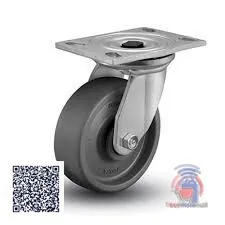 Stainless Steel Castor wheels(5" Fixed)KSh 2,750
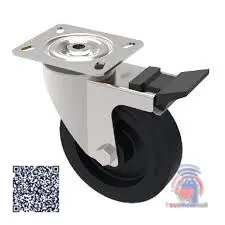 Stainless Steel Castor wheels(5" Swivel)KSh 2,750
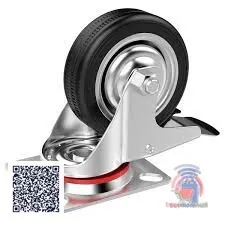 Stainless Steel Castor wheels(5" Brake)KSh 3,000
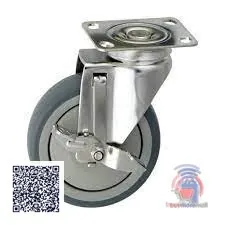 Stainless Steel Castor wheels(6" Fixed)KSh 3,250
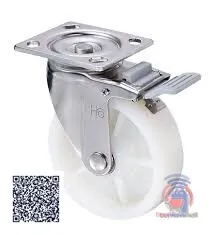 Stainless Steel Castor wheels(6" Swivel)KSh 3,250
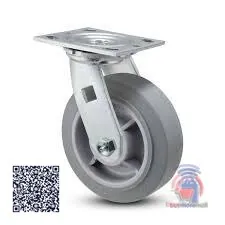 Stainless Steel Castor wheels(4" Swivel Metallic)KSh 3,500
| Product | Price |
|---|---|
| Stainless Steel Castor wheels(4" Fixed) | KSh 2,500 |
| Stainless Steel Castor wheels(4" Swivel) | KSh 2,500 |
| Stainless Steel Castor wheels(4" Brake) | KSh 2,750 |
| Stainless Steel Castor wheels(5" Fixed) | KSh 2,750 |
| Stainless Steel Castor wheels(5" Swivel) | KSh 2,750 |
| Stainless Steel Castor wheels(5" Brake) | KSh 3,000 |
| Stainless Steel Castor wheels(6" Fixed) | KSh 3,250 |
| Stainless Steel Castor wheels(6" Swivel) | KSh 3,250 |
| Stainless Steel Castor wheels(4" Swivel Metallic) | KSh 3,500 |
Current listed prices incl. VAT (updated 13 October 2026).
Which Size Castor Do I Need?
- 4 inch: light tables, shelving, small trolleys on smooth tiles.
- 5 inch: loaded kitchen trolleys, mobile work tables, medium machines.
- 6 inch: heavy loads, uneven floors, ramps and outdoor paths; bigger wheels roll over joints and drains more easily.
How to Work Out the Load per Wheel
Add the weight of the table or trolley to the heaviest load it will carry. Divide by three, not four: on an uneven floor one wheel is often off the ground, so three wheels carry everything. Example: a 60 kg table carrying 120 kg of equipment = 180 kg ÷ 3 = 60 kg per castor. Choose castors rated well above that figure.
Why Stainless Steel Castors?
Kitchens, dairies and food factories are washed daily. Zinc-plated castors rust at the axle and swivel bearing and leave stains on floors. Stainless castors survive water, detergents and sanitisers and match stainless tables, so they are the standard for stainless work tables, trolleys and gastronorm trolleys.
Fitting Castors
- Check the mounting: top plate (four bolts) or stem (a single bolt into the leg).
- Mark the plate holes square to the frame, drill and bolt with stainless nuts and washers.
- Fit braked swivels where the operator stands.
- Check that the table is level on the castors; adjust with packing if needed.
- Clean hair and food from the wheels weekly and lightly grease the swivel.
Need a whole mobile table or trolley made to size? See stainless steel fabrication cost.
Watch: Fabrication and components
Frequently asked questions
What is the difference between swivel and fixed castors?
Swivel castors turn in any direction; fixed castors roll only straight. Most trolleys use two of each.
What size castor wheels do I need?
4 inch for light tables, 5–6 inch for heavy loads and rough floors.
How do I calculate castor load capacity?
Divide the total loaded weight by three and choose castors rated above that.
Are stainless steel castors worth it?
In wet, washed kitchens and dairies, yes: they do not rust or stain floors.
How much are stainless steel castor wheels in Kenya?
From KSh 2,500 each on H-TECH’s listings, depending on size and type.