
Water Quality for Fish Farming in Kenya: What to Test and How to Keep Fish Healthy
- Oxygen above about 5 mg/L
- pH about 6.5–9
- Tilapia like 25–30°C
- Overfeeding raises ammonia
On this page
Water Conditions Fish Need
| Parameter | Good range (tilapia, approx.) | Why it matters |
|---|---|---|
| Dissolved oxygen | Above about 5 mg/L | Low oxygen stresses and kills fish, worst at dawn |
| Temperature | About 25–30°C | Cold water slows growth |
| pH | About 6.5–9 | Outside this range fish stop growing |
| Ammonia | As low as possible | Comes from feed and waste; toxic at high pH |
| Clarity | Green but not murky | Very thick algae crashes oxygen at night |
Catfish tolerate lower oxygen than tilapia, but all fish grow best in clean, well-oxygenated water. Follow advice from your county fisheries officer and the Kenya Marine and Fisheries Research Institute.
How to Test Pond Water
- pH: a handheld pH meter, morning and afternoon (pH rises in the afternoon as algae photosynthesise).
- Temperature: a thermometer at about 30 cm depth.
- Oxygen: a dissolved-oxygen meter or test kit; also watch fish at dawn.
- Source water quality: TDS and a lab test for borehole water before filling (how to test water quality).
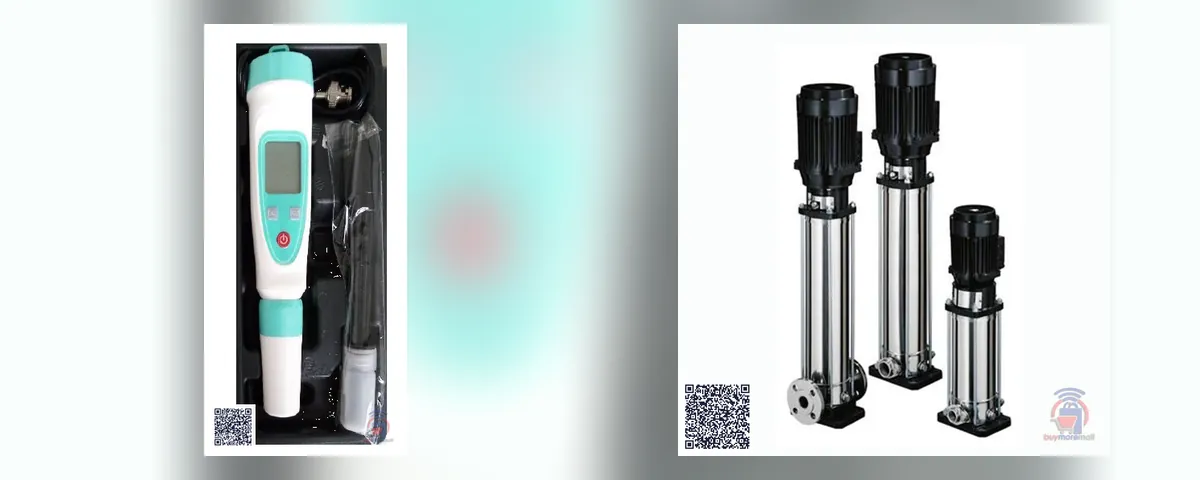
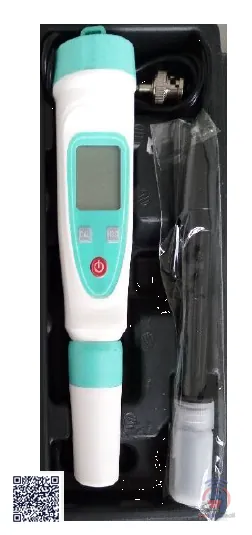 pH Handheld MeterKSh 4,500
 TDS Handheld MeterKSh 6,500
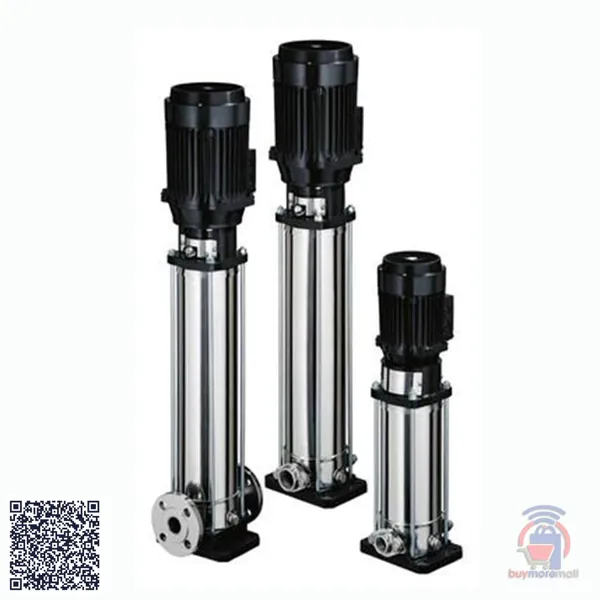 CNP CDLF2-11 Vertical Multistage Pump, 1.1Kw, Single PhaseKSh 85,000
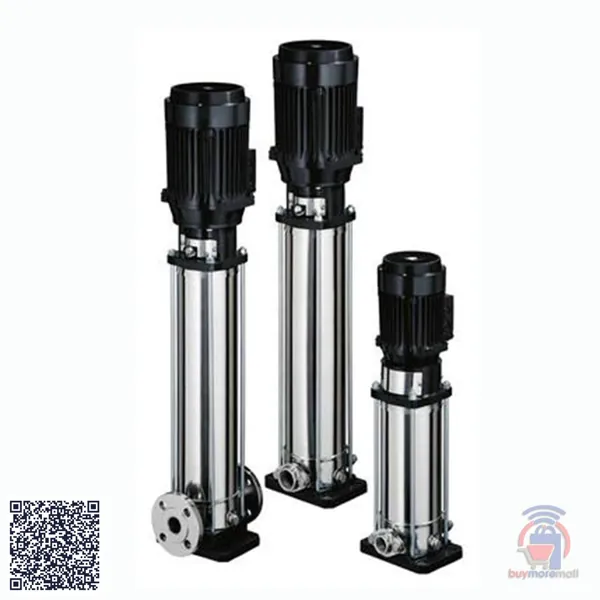 CNP CDLF2-22 Vertical Multistage Pump, 2.2Kw, Single PhaseKSh 95,000
| Product | Price |
|---|---|
| pH Handheld Meter | KSh 4,500 |
| TDS Handheld Meter | KSh 6,500 |
| CNP CDLF2-11 Vertical Multistage Pump, 1.1Kw, Single Phase | KSh 85,000 |
| CNP CDLF2-22 Vertical Multistage Pump, 2.2Kw, Single Phase | KSh 95,000 |
Current listed prices incl. VAT (updated 12 October 2026).
Water Supply and Pumps
Ponds and tanks need water to fill, top up evaporation and exchange dirty water. Size the pump for the volume you must move and the height: see how to choose a water pump and pump size calculator. Off-grid farms often use solar water pumps.
Borehole, Dam or River Water?
- Borehole: clean of fish diseases but can be low in oxygen and high in iron or CO₂; aerate it before it reaches the fish (iron in borehole water).
- Dam and river: plenty of oxygen but can carry wild fish, mud and chemicals; screen the inlet and settle the water.
- Hatcheries and tanks: UV sterilisation of incoming water reduces disease (UV sterilizer sizing).
Daily Habits That Prevent Fish Deaths
- Feed only what fish eat in about 5–10 minutes.
- Check fish at dawn; if they gasp at the surface, add water or aeration immediately.
- Do not overstock the pond.
- Remove dead fish and record losses.
Frequently asked questions
What pH is best for tilapia?
About 6.5 to 9; test morning and afternoon.
Why are my fish gasping at the surface?
Low dissolved oxygen, often at dawn after thick algae; add fresh water or aeration.
Can I use borehole water for fish farming?
Yes, but aerate it first and test for iron and other minerals.
What temperature do tilapia need?
They grow best around 25–30°C.
How often should I change pond water?
Top up regularly and exchange part of the water when quality drops; avoid sudden big changes.