Home › Guides › Water softeners
Hard Water: How to Tell, What It Does, and How to Fix It
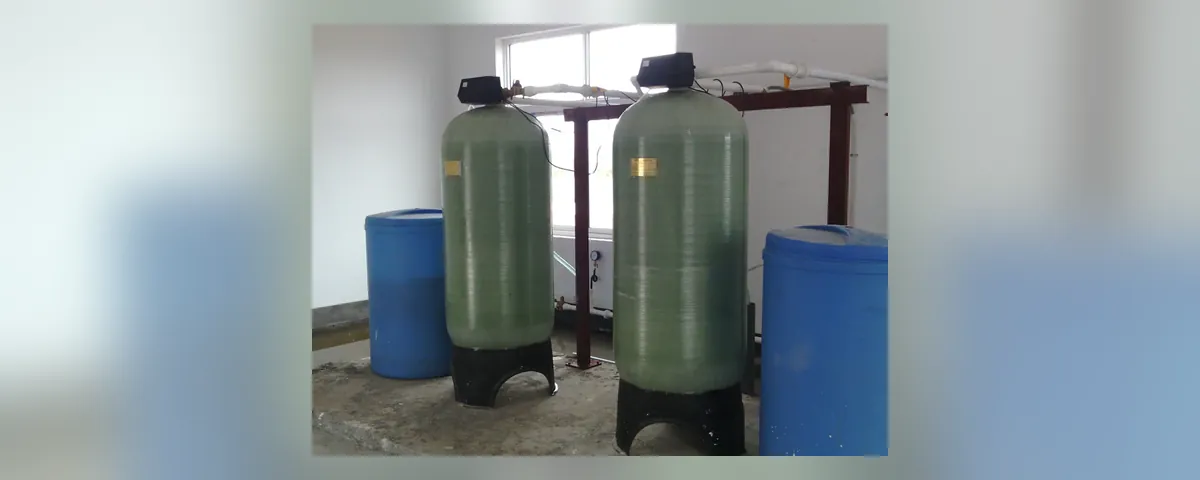
- Scale, poor lather, spots and stiff laundry are the clues
- Generally safe to drink
- Damages heaters, boilers, irons and RO membranes
- Softener for the building; RO for drinking
On this page
7 Signs Your Water Is Hard
- White crust inside kettles and flasks.
- Blocked shower heads and tap aerators.
- Soap and shampoo that hardly lather.
- Scum rings in basins and bathtubs.
- White spots on glasses and dishes.
- Stiff, dull laundry.
- Instant showers, geysers and steam irons that fail early.
How to Test for Hardness
A water laboratory reports hardness as mg/L of calcium carbonate; see how to read a water test report. A TDS meter shows total minerals but not hardness itself: what TDS is safe.
Is Hard Water Safe to Drink?
Generally yes; calcium and magnesium are not harmful in drinking water. The costs are scale, extra soap and shorter equipment life.
Where Hard Water Costs Businesses Money
| Business | Problem |
|---|---|
| Hotels and laundries | Scaled heaters and boilers, more detergent |
| Water refill stations | Scaled RO membranes |
| Dairies and factories | Scale in boilers and heat exchangers |
How to Fix Hard Water
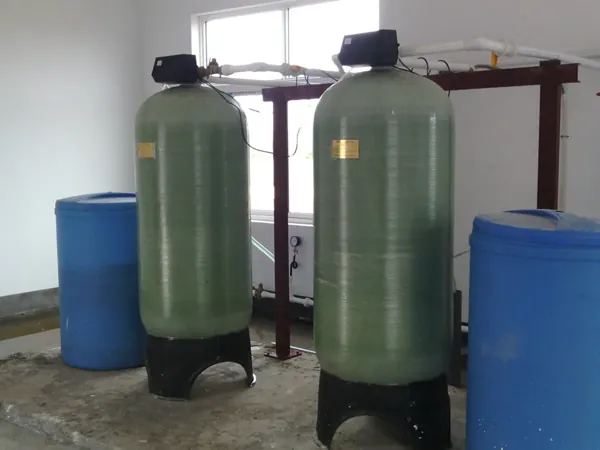 1 T/H 0844 H-Tech Water Softener MachineKSh 60,400
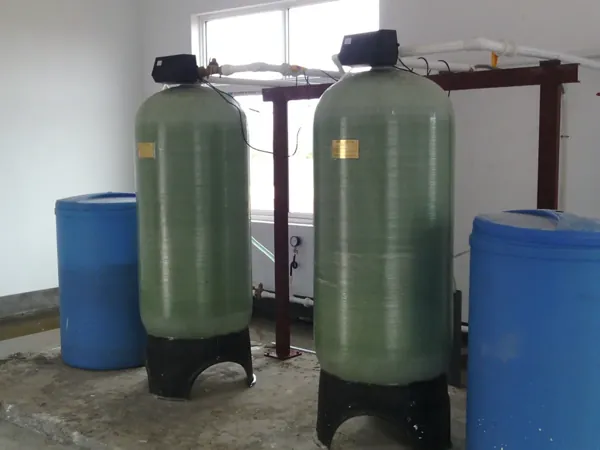 2 T/H 1254 H-Tech Water Softener MachineKSh 95,000
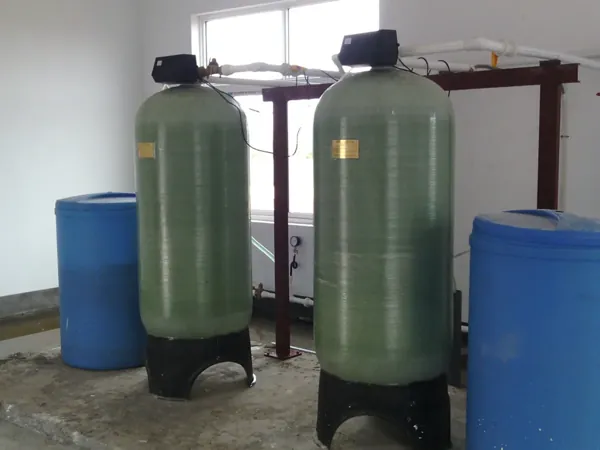 3 T/H 1465 H-Tech Water Softener MachineKSh 135,000
| Product | Price |
|---|---|
| 1 T/H 0844 H-Tech Water Softener Machine | KSh 60,400 |
| 2 T/H 1254 H-Tech Water Softener Machine | KSh 95,000 |
| 3 T/H 1465 H-Tech Water Softener Machine | KSh 135,000 |
Current listed prices incl. VAT (updated 4 October 2026).
A softener swaps hardness minerals for sodium and stops scale; RO removes most minerals for drinking water and is often placed after a softener. See do I need a water softener?, RO vs UF and boiler feed water treatment.
Frequently asked questions
What are the signs of hard water?
Scale in kettles and showers, poor lather, scum, spotty glasses, stiff laundry and heaters that fail early.
Is hard water safe to drink?
Generally yes; the minerals are not harmful.
How do you fix hard water?
Install a water softener for the building; use RO for drinking water.
Can a TDS meter measure hardness?
No; it measures total dissolved solids. Hardness needs a specific test.
Does hard water damage RO membranes?
Yes, it scales them; a softener or antiscalant before the RO protects them.