
How to Balance Pool Chemicals: pH, Chlorine, Alkalinity and Stabiliser Explained
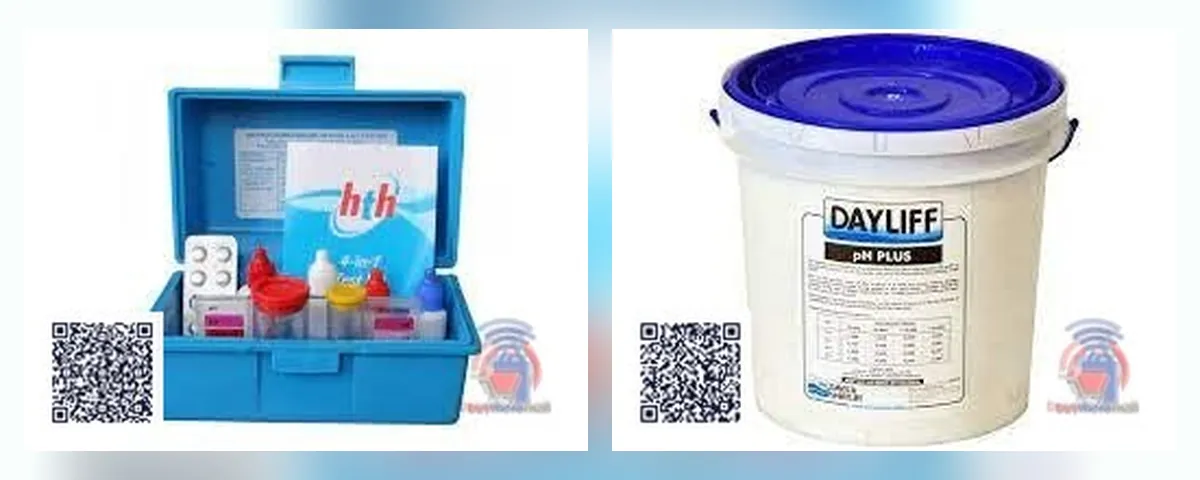
Quick answer: Test with a pool test kit at least twice a week. Adjust in this order: alkalinity and pH first (pH about 7.2–7.6), then free chlorine (commonly about 1–3 ppm for residential pools; follow your product and local guidance), and keep stabiliser in range for outdoor pools so the sun does not burn chlorine off. Raise pH with pH plus, lower it with pH minus. H-TECH test kits from KSh 5,000; pH plus and minus from KSh 1,500.
Key facts
- Test twice a week
- pH first, then chlorine
- Stabiliser for sunny pools
- Small adjustments, re-test
On this page
The Numbers That Matter
| Test | Typical target | If too low | If too high |
|---|---|---|---|
| pH | 7.2–7.6 | Stinging eyes, corrosion | Cloudy water, chlorine stops working |
| Free chlorine | About 1–3 ppm (follow guidance for your pool) | Algae, germs | Irritation, strong smell |
| Total alkalinity | About 80–120 ppm | pH swings | pH hard to lower, cloudy water |
| Stabiliser (cyanuric acid) | Per product guidance for outdoor pools | Chlorine burns off in sun | Chlorine works less well |
Targets vary by pool type and product; follow the test kit and product instructions.
Testing and Balancing Products
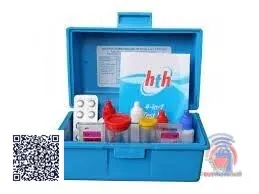 SWIMMING POOL TEST KITKSh 5,000
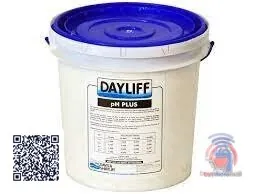 DAYLIFF PH PLUSKSh 1,500
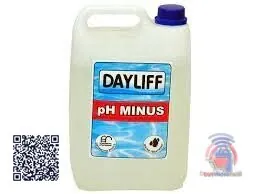 DAYLIFF PH MINUSKSh 1,500
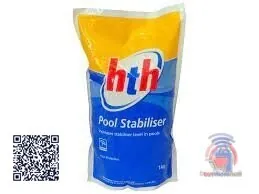 POOL STABILISERKSh 4,500
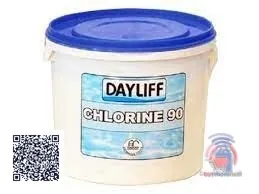 DAYLIFF CHLORINE 90KSh 3,000
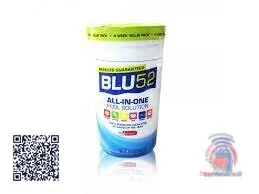 BLU52 ALL IN ONEKSh 4,300
| Product | Price |
|---|---|
| SWIMMING POOL TEST KIT | KSh 5,000 |
| DAYLIFF PH PLUS | KSh 1,500 |
| DAYLIFF PH MINUS | KSh 1,500 |
| POOL STABILISER | KSh 4,500 |
| DAYLIFF CHLORINE 90 | KSh 3,000 |
| BLU52 ALL IN ONE | KSh 4,300 |
Current listed prices incl. VAT (updated 19 October 2026).
How to Test Pool Water
- Take the sample from elbow depth, away from return jets.
- Fill the test tubes to the line and add the reagents as instructed.
- Compare colours in daylight.
- Write the results down with the date; trends help you spot problems early.
In What Order Should I Add Chemicals?
- Alkalinity (if far off), because it steadies pH.
- pH: pH plus to raise, pH minus to lower. Add a little, circulate a few hours, re-test.
- Chlorine: daily dose or tablets to keep free chlorine in range.
- Stabiliser for outdoor pools if the level is low.
- Shock weekly: how to shock a pool.
Never add two chemicals at the same time. Wait for one to circulate before adding the next.
A Simple Weekly Routine
| When | Task |
|---|---|
| Daily | Skim leaves, check the water looks clear, run the pump |
| Twice a week | Test pH and chlorine; adjust |
| Weekly | Brush, vacuum, clean baskets, shock |
| Monthly | Test alkalinity and stabiliser; backwash or clean the filter as needed |
Common Problems
- Cloudy water: high pH or alkalinity, weak filtration.
- Strong chlorine smell: chloramines; shock the pool.
- Green tint: chlorine ran out; see green pool fix.
Safety: follow the dose on each product label, add chemicals to water (never water to chemicals), never mix chlorine products with acids or with each other, wear gloves and eye protection, and keep everyone out of the pool until free chlorine is back in the normal range.
Frequently asked questions
What is the right pH for a swimming pool?
About 7.2–7.6.
What should I adjust first, pH or chlorine?
pH (and alkalinity if far off), then chlorine.
How do I lower pool pH?
Add pH minus in small doses, circulate, and re-test.
How often should I test my pool?
At least twice a week, more often in hot weather or heavy use.
What does pool stabiliser do?
It protects chlorine from being destroyed by sunlight in outdoor pools.