
How to Shock a Swimming Pool: Step-by-Step, Doses and How Often
- Fix pH before you shock
- Shock in the evening
- Run the pump 8+ hours
- Test before swimming
On this page
What Does Shocking a Pool Do?
Normal daily chlorine keeps a pool safe when the load is light. Sweat, sunscreen, leaves, rain and many swimmers use chlorine up and form chloramines, the cause of the strong "pool smell" and red eyes. A shock dose raises chlorine high enough for a short time to break these down and kill algae spores before they bloom.
When Should You Shock a Pool?
- Once a week in normal use (more often in hot weather).
- After a pool party or heavy use.
- After heavy rain or a dust storm.
- When the water smells strongly of chlorine or looks dull.
- At the first sign of algae (green tint, slippery walls). For a fully green pool, see how to fix a green pool.
Pool Shock and Chlorine Products
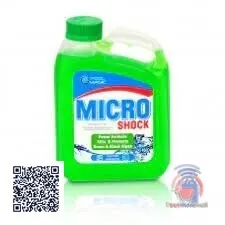 MICRO SHOCKKSh 3,500
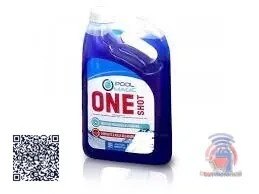 POOL MAGIC ONE SHOTKSh 5,400
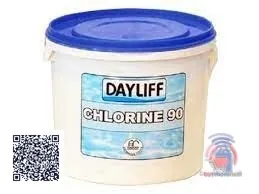 DAYLIFF CHLORINE 90KSh 3,000
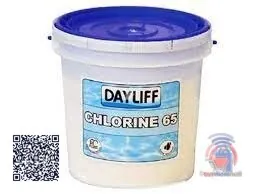 DAYLIFF CHLORINE 65KSh 3,625
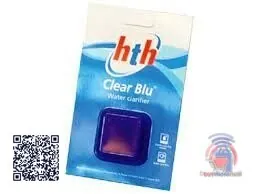 HTH CLEAR BLUKSh 1,500
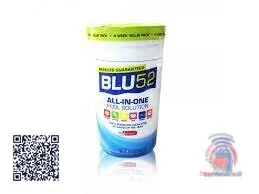 BLU52 ALL IN ONEKSh 4,300
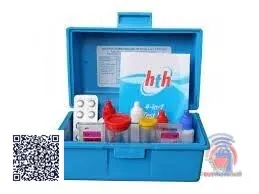 SWIMMING POOL TEST KITKSh 5,000
| Product | Price |
|---|---|
| MICRO SHOCK | KSh 3,500 |
| POOL MAGIC ONE SHOT | KSh 5,400 |
| DAYLIFF CHLORINE 90 | KSh 3,000 |
| DAYLIFF CHLORINE 65 | KSh 3,625 |
| HTH CLEAR BLU | KSh 1,500 |
| BLU52 ALL IN ONE | KSh 4,300 |
| SWIMMING POOL TEST KIT | KSh 5,000 |
Current listed prices incl. VAT (updated 19 October 2026).
How to Shock a Pool Step by Step
- Test the water with a pool test kit: pH and free chlorine.
- Correct pH to about 7.2–7.6 first; chlorine works poorly at high pH.
- Brush walls and floor and empty skimmer and pump baskets.
- Work out the dose for your pool volume from the product label (volume in litres ≈ length × width × average depth in metres × 1,000).
- Pre-dissolve granules in a bucket of pool water if the label says so, adding product to water.
- Pour slowly around the edges in the evening with the pump running (sunlight destroys chlorine quickly).
- Run the pump at least 8 hours, ideally overnight.
- Test before swimming; wait until free chlorine is back in the normal range.
How Much Shock Do I Need?
Doses differ between products and strengths (for example 65% or 90% chlorine), so always use the label dose for your pool volume. As a guide, a weekly maintenance shock is lower than a "green pool" treatment, which may need repeated doses. Under-dosing just wastes chemicals; repeated over-dosing bleaches liners and irritates skin.
Shock vs Daily Chlorine
| Daily chlorine | Shock | |
|---|---|---|
| Purpose | Keeps a steady safe level | Burns off build-up, prevents algae |
| Dose | Small, regular | Large, occasional |
| Timing | Daily or via tablets | Weekly / after heavy use, at night |
Keep the filter running well, too: a weak pump or dirty filter means chemicals cannot do their job. See the pool pump and chemicals guide.
Safety: follow the dose on each product label, add chemicals to water (never water to chemicals), never mix chlorine products with acids or with each other, wear gloves and eye protection, and keep everyone out of the pool until free chlorine is back in the normal range.
Frequently asked questions
How often should I shock my swimming pool?
Typically once a week, and after heavy use, rain or a party.
When is the best time to shock a pool?
In the evening, so sunlight does not destroy the chlorine before it works.
How long after shocking can I swim?
When free chlorine has dropped back to the normal range on your test kit, often the next day.
Should I adjust pH before shocking?
Yes. Chlorine works best at about pH 7.2–7.6.
Can I shock a pool during the day?
You can, but sunlight burns off chlorine quickly, so evening shocks are more effective.