
How to Make and Sell Mala (Fermented Milk) in Kenya
- Heat-treat → cool to room temperature → add mala culture → ferment → cool → pack
- Mala ferments slowly at room temperature; yoghurt sets fast at about 42–45 °C
- Follow your culture supplier's time and temperature
- Licences: Kenya Dairy Board and KEBS
On this page
Mala vs Yoghurt: What Is the Difference?
| Mala (fermented milk) | Yoghurt | |
|---|---|---|
| Culture | Mesophilic (works at room temperature) | Thermophilic (works warm) |
| Fermenting | Slow, many hours at room temperature | A few hours at about 42–45 °C |
| Texture and taste | Drinkable, smooth, mildly sour | Thicker set, often sweetened and flavoured |
How to Make Mala Step by Step
- Test the milk on arrival: smell, lactometer and a freshness test. See how to test milk with a lactometer.
- Heat-treat it in a pasteurizer to kill unwanted bacteria. See pasteurization time and temperature.
- Cool it to the temperature your culture needs (room temperature for mala cultures).
- Add the culture, stir well, cover and leave it to ferment for the time the supplier gives.
- Check thickness and sourness; when ready, stir it smooth.
- Cool to about 4 °C to stop fermentation, then pack, seal and code the batch.
Pasteurizers for Mala
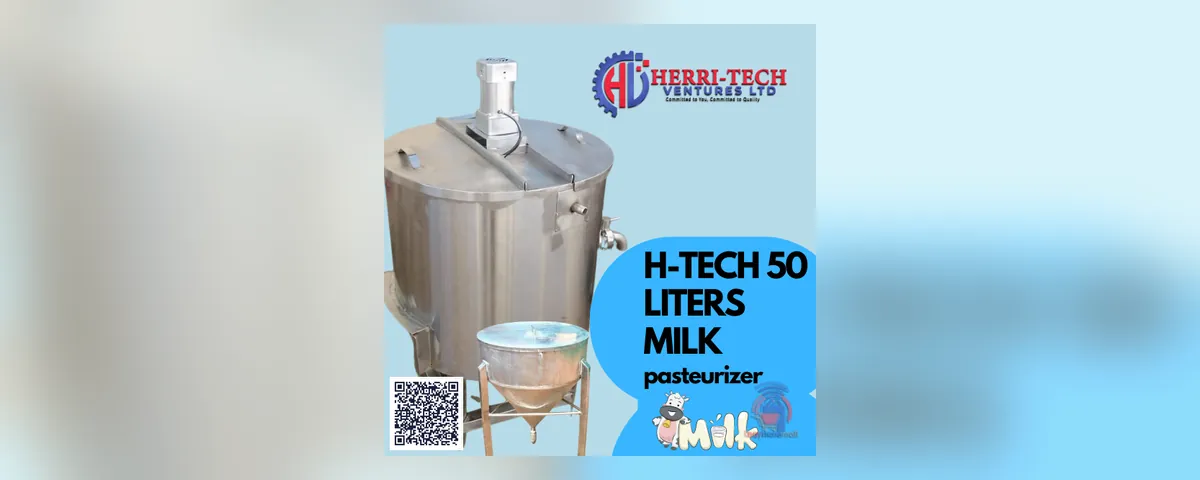
 50 Liters Milk pasteuriserKSh 140,000
 100l milk pasteuriser kenyaKSh 160,000
 200 Liters Milk PasteuriserKSh 210,000
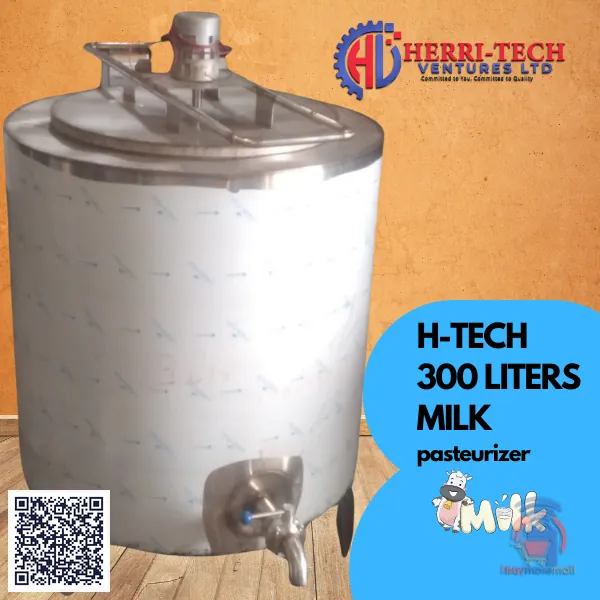 300 liters H-Tech milk pasteuriserKSh 270,000
| Product | Price |
|---|---|
| 50 Liters Milk pasteuriser | KSh 140,000 |
| 100l milk pasteuriser kenya | KSh 160,000 |
| 200 Liters Milk Pasteuriser | KSh 210,000 |
| 300 liters H-Tech milk pasteuriser | KSh 270,000 |
Current listed prices incl. VAT (updated 4 October 2026).
Packing and Selling
Mala sells in sealed cups, pouches and bottles to shops, schools and milk bars. Keep it cold from packing to sale and print a batch number and use-by date on every pack. See cup filling and sealing machines and batch coding.
Approvals
Dairy processing needs a licence from the Kenya Dairy Board, and packaged products need KEBS certification, plus county permits for the premises.
Common Mistakes
- Skipping heat treatment: wild bacteria give off-flavours and gas.
- Fermenting too warm or too long: very sour, separated mala.
- Poor cleaning of cans and pasteurizer between batches.
- Breaking the cold chain after packing.
Watch: Milk chillers and pasteurizers
Frequently asked questions
How is mala made?
Milk is heat-treated, cooled to room temperature, inoculated with a mala culture and left to ferment for many hours until thick and mildly sour, then cooled and packed.
What is the difference between mala and yoghurt?
Mala uses a room-temperature culture and ferments slowly; yoghurt uses a warm culture and sets in a few hours at about 42–45 °C.
How long does mala take to ferment?
Many hours at room temperature; follow your culture supplier's instructions.
Do I need a licence to sell mala in Kenya?
Yes: a Kenya Dairy Board licence for processing and KEBS certification for packaged products.
What machine do I need to make mala?
A milk pasteurizer is the main machine, plus clean cans, a cooler and packing equipment.