
Cutting the Electricity Bill of a Milk Chiller
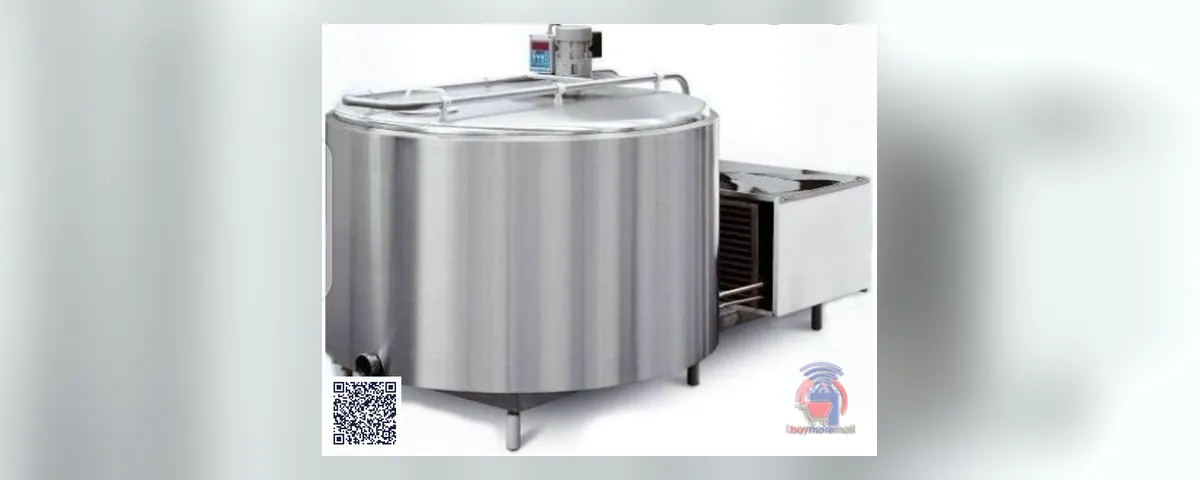
Quick answer: A milk chiller uses most power when it has to remove a lot of heat quickly or fights a hot room. Keep it shaded and ventilated, clean the condenser, keep the lid closed, avoid overfilling beyond its cooling capacity, and size it correctly for your daily intake.
Key facts
- Shade and airflow around the condensing unit
- Clean condenser coils regularly
- Keep the lid closed; check seals
- Right-size for daily litres
On this page
Placement
- Keep the chiller and its condensing unit out of direct sun.
- Leave space for air around the condenser; do not box it in.
- A cooler room means less work for the compressor.
Maintenance
- Clean condenser coils regularly (dust blocks heat transfer).
- Check door and lid seals.
- Service the refrigeration system as scheduled: chiller maintenance.
Operating Habits
- Keep the lid closed except when loading.
- Let the agitator and thermostat work; do not set colder than needed.
- Avoid loading far more milk than the chiller's rated capacity at once.
Right Size
An undersized chiller runs flat out; an oversized one costs more to buy. See what size milk cooling tank.
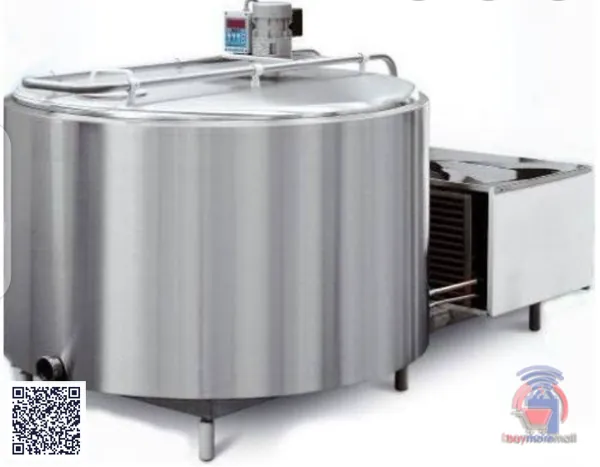 100 LTRS MILK CHILLERKSh 280,000
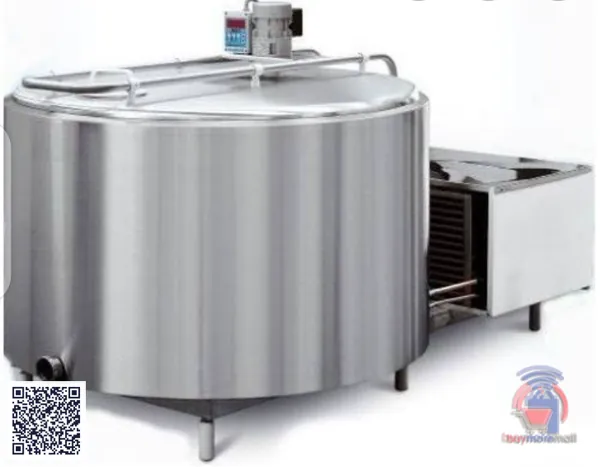 300 LTRS MILK CHILLERKSh 330,000
 H-TECH 500 LITERS MILK CHILLERKSh 450,000
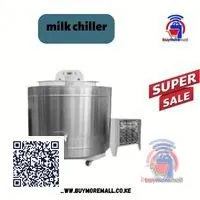 700 LITRES MILK CHILLERKSh 650,000
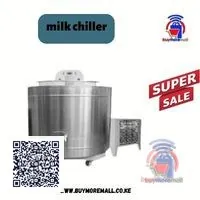 H-TECH 1000 LTRS MILK CHILLERKSh 800,000
| Product | Price |
|---|---|
| 100 LTRS MILK CHILLER | KSh 280,000 |
| 300 LTRS MILK CHILLER | KSh 330,000 |
| H-TECH 500 LITERS MILK CHILLER | KSh 450,000 |
| 700 LITRES MILK CHILLER | KSh 650,000 |
| H-TECH 1000 LTRS MILK CHILLER | KSh 800,000 |
Current listed prices incl. VAT (updated 5 October 2026).
Estimate the Cost
Use the method in the fridge electricity guide (watts × running hours × tariff). Plan backup power: generator size calculator.
Watch: Milk chillers and pasteurizers
Frequently asked questions
How can I reduce my milk chiller electricity bill?
Shade and ventilate it, clean the condenser, keep the lid closed and size it correctly.
Why is my milk chiller using a lot of power?
Often a dirty condenser, a hot room, poor seals or overloading.
Does a milk chiller need backup power?
Yes, power cuts risk spoiling milk; plan a generator or other backup.