
How to Start a Potato Crisps Business in Kenya: Process, Packaging Machines and Licences
- Slice thin, fry, de-oil, season
- Foil bags + nitrogen = shelf life
- County licences + KEBS
- Price per pack, not per kg
On this page
The Crisps Process
- Select potatoes: varieties with low sugar fry golden, not brown; store them cool and dark.
- Wash and peel.
- Slice thin and even (about 1–1.5 mm) so they cook evenly.
- Rinse to remove surface starch, then dry.
- Fry in clean oil until crisp; control temperature for an even colour.
- De-oil by draining or spinning, then cool.
- Season while slightly warm.
- Pack and seal as soon as they are cool.
Why Packaging Matters Most
Crisps absorb moisture and react with oxygen, so they lose crunch and taste stale or rancid. Commercial packs use metallised (foil-lined) film that blocks light and moisture, and are flushed with nitrogen before sealing. Nitrogen pushes out oxygen and also cushions the crisps against breaking.
Sealing and Packaging Machines
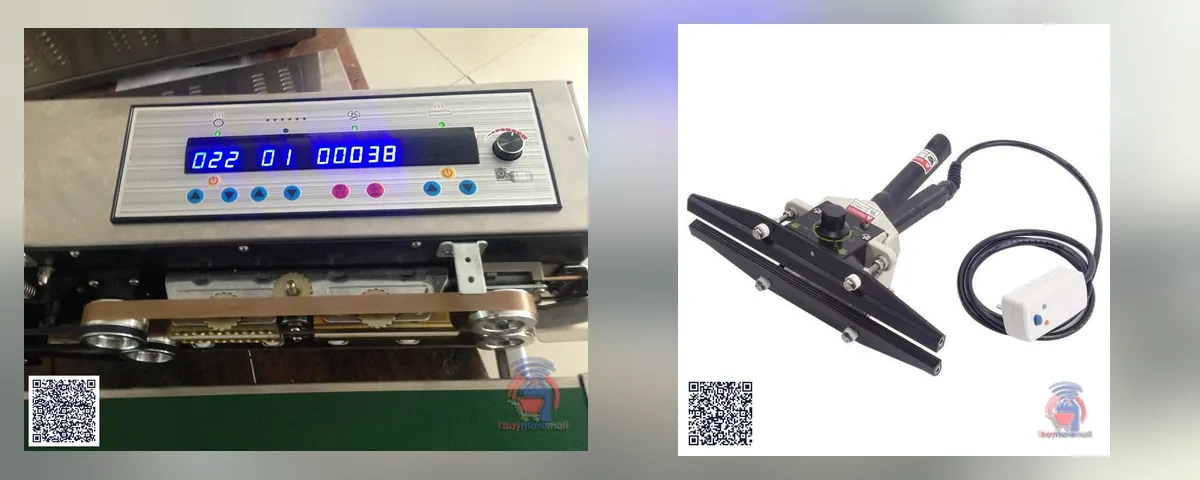
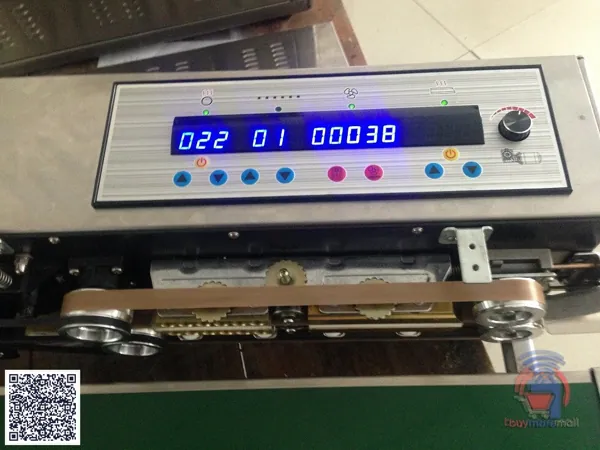 Nitrogen flushing continuous sealing machine KPL-FRQM-980CDKSh 290,000
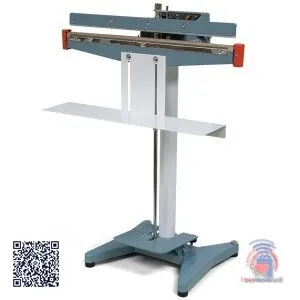 Foot Operated SealersKSh 90,000
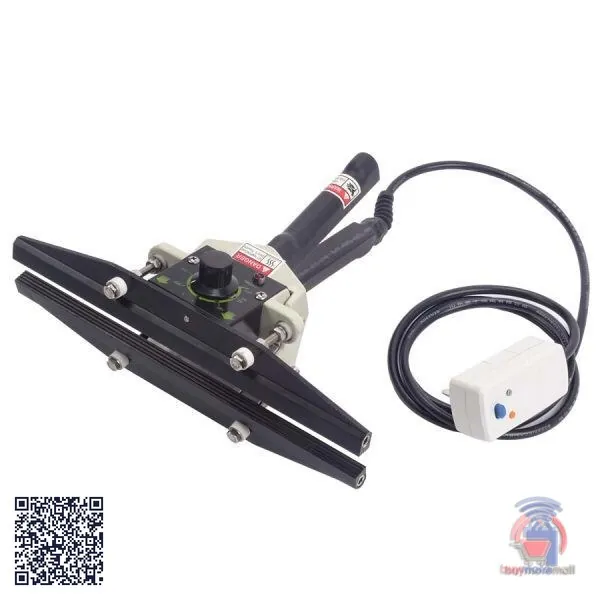 Hand Operated Sealing Machines(10cm)KSh 7,000
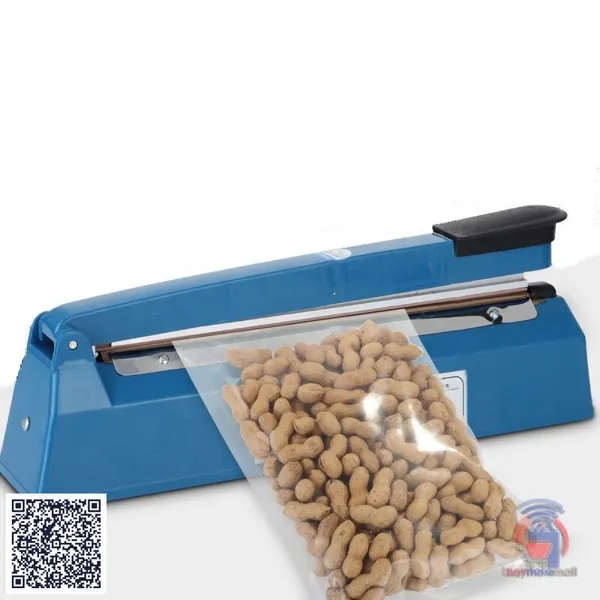 Plastic Bag Manual Heat Sealing Machine Mylar Bag Vacuum SealerKSh 17,000
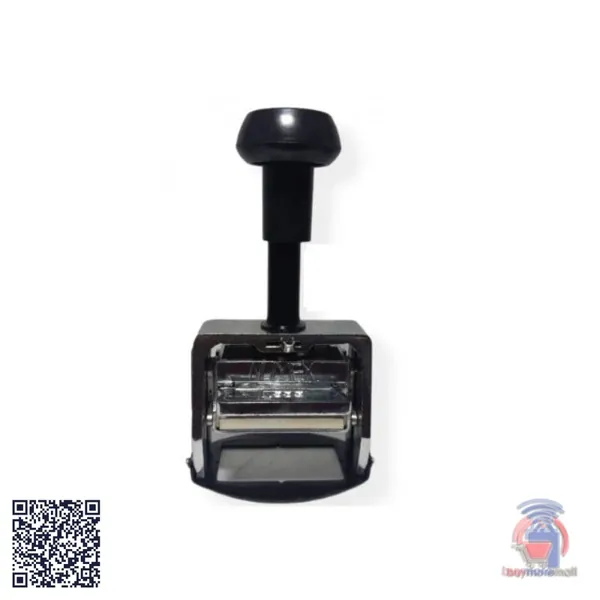 Batch Coding StampKSh 36,000
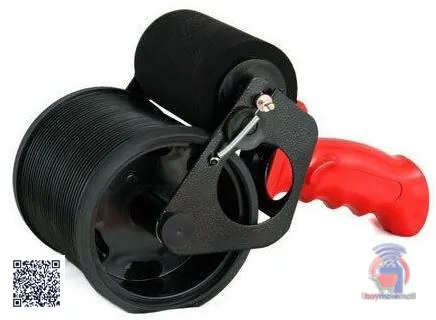 Manual Coding MachinesKSh 25,000
| Product | Price |
|---|---|
| Nitrogen flushing continuous sealing machine KPL-FRQM-980CD | KSh 290,000 |
| Foot Operated Sealers | KSh 90,000 |
| Hand Operated Sealing Machines(10cm) | KSh 7,000 |
| Plastic Bag Manual Heat Sealing Machine Mylar Bag Vacuum Sealer | KSh 17,000 |
| Batch Coding Stamp | KSh 36,000 |
| Manual Coding Machines | KSh 25,000 |
Current listed prices incl. VAT (updated 13 October 2026).
The KPL-FRQM-980CD seals plastic, aluminium foil and laminate films continuously with nitrogen flushing (see the product page). Small starters use a hand or foot sealer and foil bags, then upgrade. Compare sealers in bag sealing machine guide and induction vs heat sealing.
Licences and Standards
- County single business permit and public health licence for the premises.
- Food handlers’ medical certificates: see food handlers certificate and food licences.
- KEBS product certification to sell through supermarkets and shops.
- A label with product name, ingredients, net weight, batch number, dates and your contacts.
Costing a Pack
Work out the cost per pack: potatoes (with peel and frying losses), oil, seasoning, packaging film, nitrogen, labour, power and transport. Small packs sell fastest in schools, kiosks and estates; bigger packs in supermarkets. Our repackaging profit calculator helps with the numbers.
Food Safety
Change oil before it darkens and smokes, keep the frying area clean and away from the packing area, and use food-grade contact surfaces such as stainless steel work tables.
Frequently asked questions
How do you start a crisps business in Kenya?
Set up a clean kitchen, buy potatoes, slicing and frying equipment and a sealer, get county and KEBS approvals, and pack in foil bags.
Why are crisps packed with nitrogen?
Nitrogen replaces oxygen so the crisps stay fresh and crunchy longer, and it cushions them.
Which potatoes are best for crisps?
Low-sugar varieties that fry golden; store them cool and dark.
Do I need KEBS certification to sell crisps?
To sell through shops and supermarkets, yes, plus county food licences.
Does H-TECH sell crisps fryers?
No. H-TECH supplies the packaging and sealing equipment.