
Home › Guides › Water treatment
Rainwater Harvesting and Treatment for Kenyan Homes and Schools
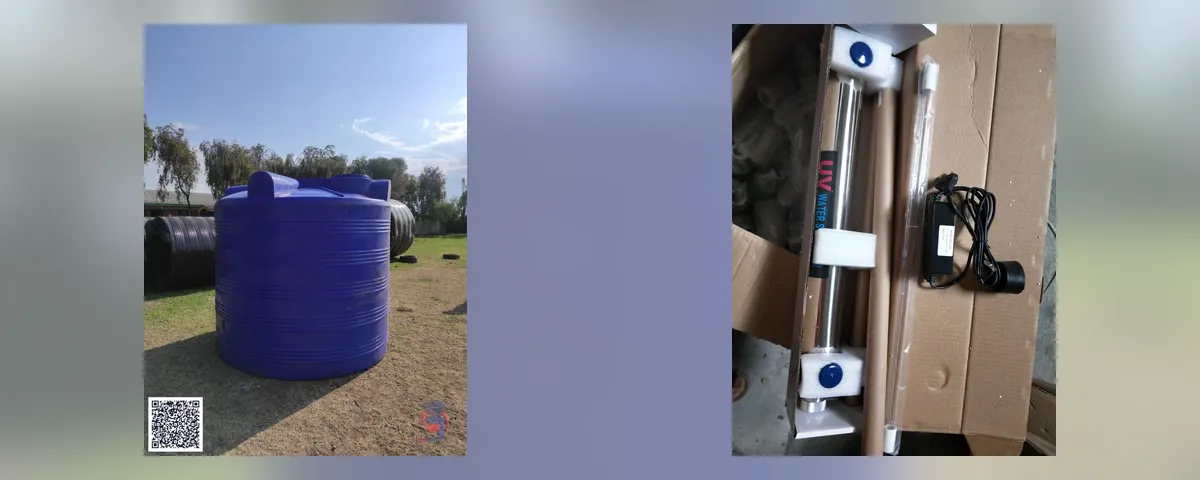
- Roof (m²) × rain (mm) × ~0.8 ≈ litres (rule of thumb)
- First-flush diverter keeps the dirtiest water out
- Covered tank, clean gutters, no lead paint on the roof
- Filter and UV before drinking
On this page
How Much Water Can My Roof Collect?
1 mm of rain on 1 m² of roof is 1 litre. Some is lost to splash and evaporation, so multiply by about 0.8. Example: a 100 m² roof in a month with 80 mm of rain collects roughly 100 × 80 × 0.8 = 6,400 litres.
The Parts of a Rainwater System
- Roof: iron sheets or tiles are best; avoid roofs with lead-based paint or rotting materials.
- Gutters and downpipes: sized for heavy storms and cleaned before the rains.
- First-flush diverter: discards the first water, which carries dust and droppings.
- Tank: covered, opaque and on a firm base, with a screened overflow.
- Treatment: filters and disinfection before drinking.
Storage Tanks
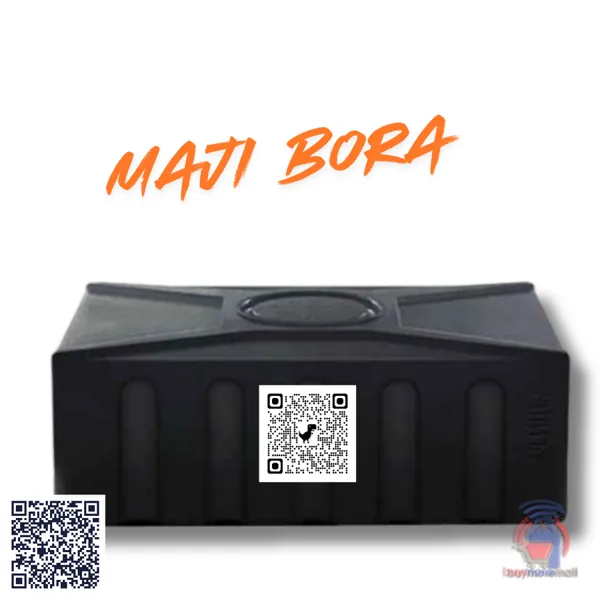
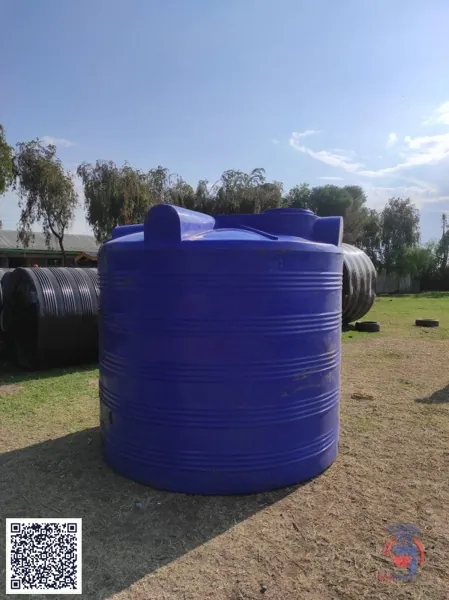
| Product | Price |
|---|---|
| 1000L Reliance Loft Tank – No More Water Shortages! | KSh 12,500 |
| 6000Ltrs Water Storage Tank | KSh 43,800 |
Current listed prices incl. VAT (updated 4 October 2026).
See plastic water tank prices and how much water a family uses per day.
Making Rainwater Safe to Drink
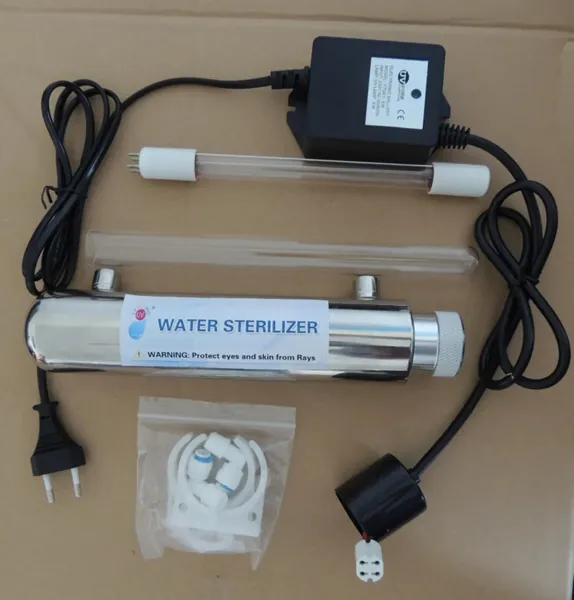
Rainwater is naturally soft and low in dissolved salts, but it is not sterile once it has run off a roof. Use a sediment and carbon filter followed by a UV sterilizer, or boil drinking water.
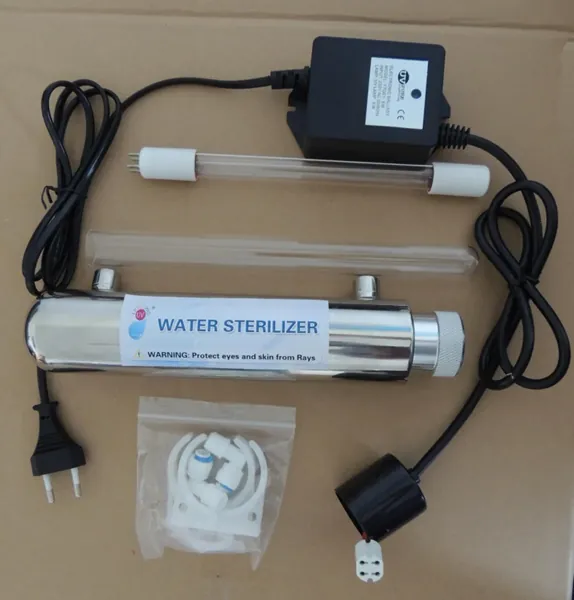 H-Tech 0.4GPM 6W UV SterilizerKSh 5,000
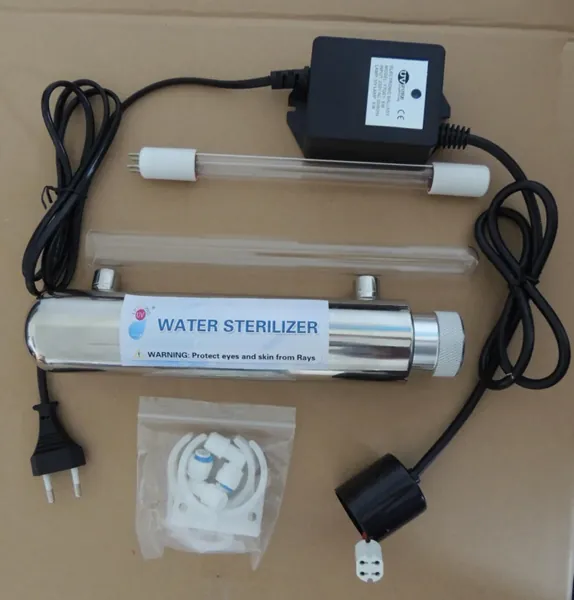
 H-Tech 0.65GPM 10W UV SterilizerKSh 5,300
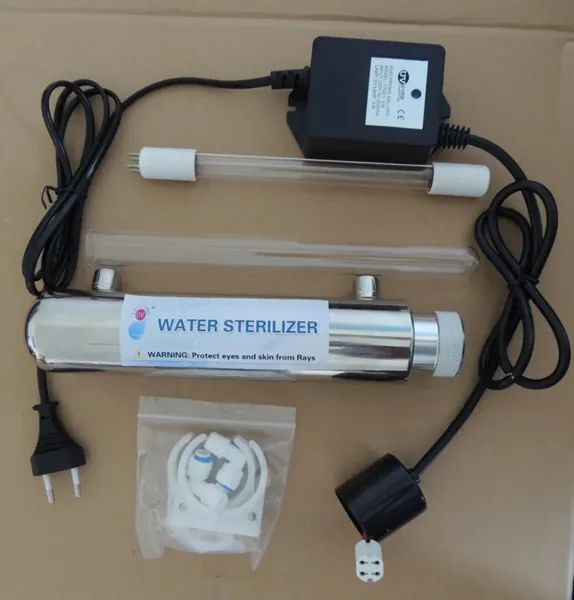
 H-Tech 1GPM 12W UV SterilizerKSh 6,000
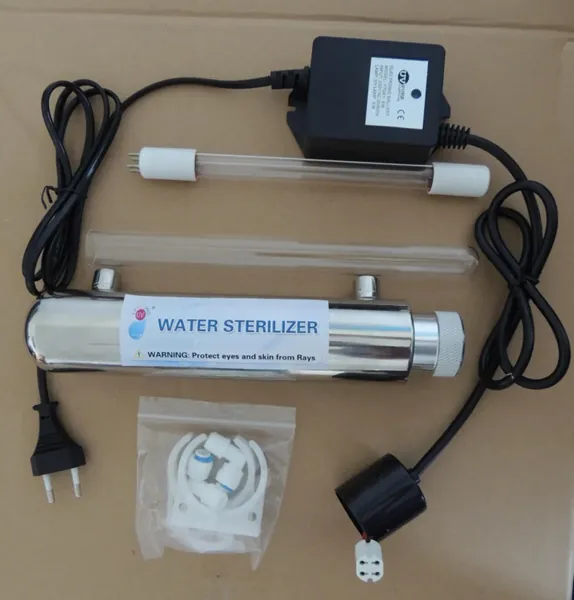
 H-Tech 2GPM 16W UV SterilizerKSh 11,600
 H-Tech 6GPM 25W UV SterilizerKSh 13,000
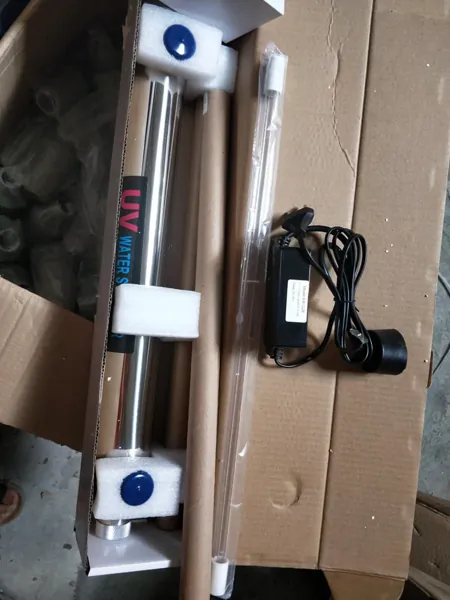 H-Tech 12GPM 55W UV SterilizerKSh 40,000
| Model | Size / capacity | Price |
|---|---|---|
| H-Tech 0.4GPM 6W UV Sterilizer | 0.4 GPM | KSh 5,000 |
| H-Tech 0.65GPM 10W UV Sterilizer | 0.65 GPM | KSh 5,300 |
| H-Tech 1GPM 12W UV Sterilizer | 1 GPM | KSh 6,000 |
| H-Tech 2GPM 16W UV Sterilizer | 2 GPM | KSh 11,600 |
| H-Tech 6GPM 25W UV Sterilizer | 6 GPM | KSh 13,000 |
Current listed prices incl. VAT (updated 4 October 2026). Full range: Water treatment components.
See UV sterilizer sizing. Because rainwater is very soft, some people prefer to add minerals for taste: remineralisation.
Maintenance
- Clean gutters and the first-flush chamber before and during the rains.
- Clean the tank once or twice a year: how to clean a water tank.
- Replace filters and the UV lamp on schedule.
Watch: RO purifiers and water ATMs
Frequently asked questions
How much rainwater can I harvest from my roof?
Roughly roof area (m²) × rainfall (mm) × 0.8 litres; 1 mm on 1 m² is 1 litre.
Is rainwater safe to drink?
Not straight from the tank: filter it and disinfect it (for example with UV) or boil it first.
What is a first-flush diverter?
A device that discards the first rain off the roof, which carries most of the dust and droppings.
Which roof is best for rainwater harvesting?
Clean iron sheets or tiles; avoid lead-based paint and rotting materials.
Is rainwater hard or soft?
Soft: it is low in dissolved minerals.