Automatic Voltage Switcher (AVS): What It Does, AVS vs Stabiliser, and Choosing One
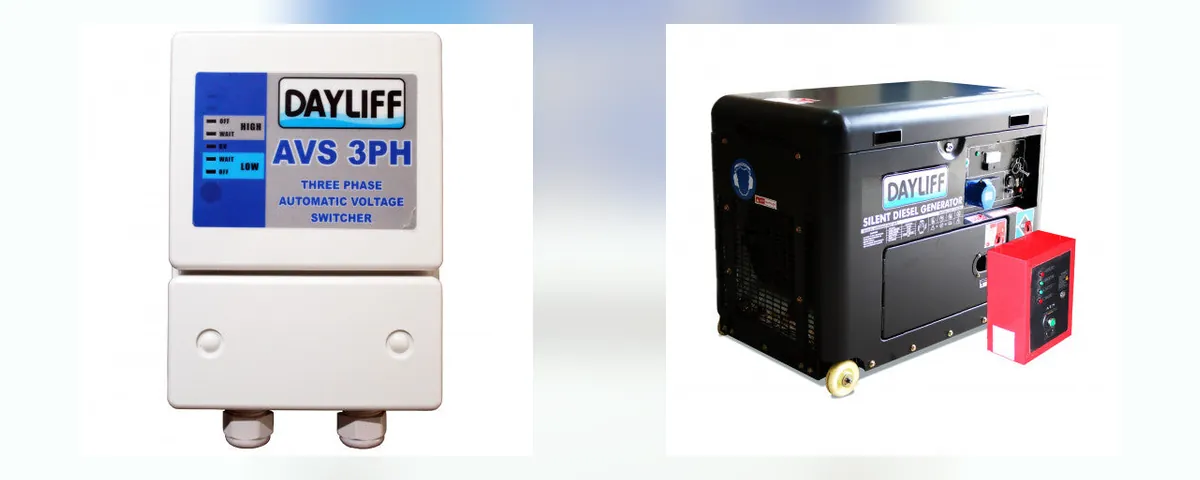
- Cuts off bad voltage
- Delayed reconnection
- Protects compressors and motors
- Not a stabiliser or UPS
On this page
Why You Need Voltage Protection
Power in many areas fluctuates: voltage dips during peak hours, surges when supply returns after an outage, and phase problems on three-phase lines. Compressors and motors are the most vulnerable. A milk chiller, milk ATM or water pump that restarts straight into a surge can burn its compressor or motor winding, a repair far more costly than the protector.
How an AVS Works
- It monitors the incoming voltage continuously.
- If voltage goes outside the safe range (too high or too low), it disconnects the load.
- When power returns or voltage normalises, it waits a set delay before reconnecting, so the supply settles and compressors can equalise pressure.
Power Protection at H-TECH
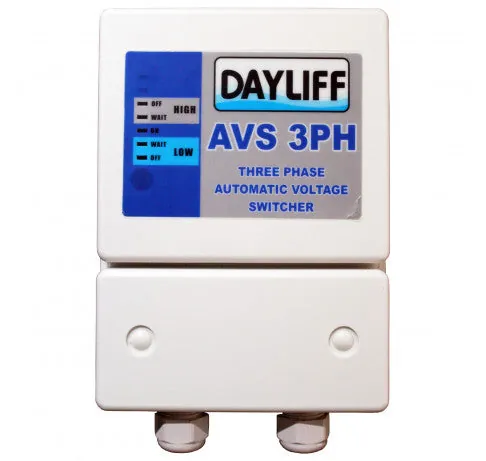 DAYLIFF Automatic Voltage Switcher 3PKSh 16,310
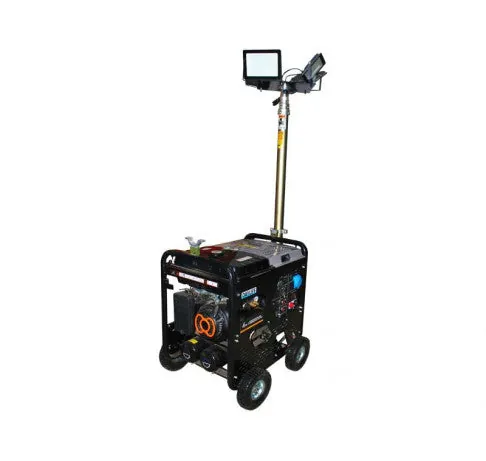 DAYLIFF DG Multi-4 Multifunction Power PackKSh 124,990
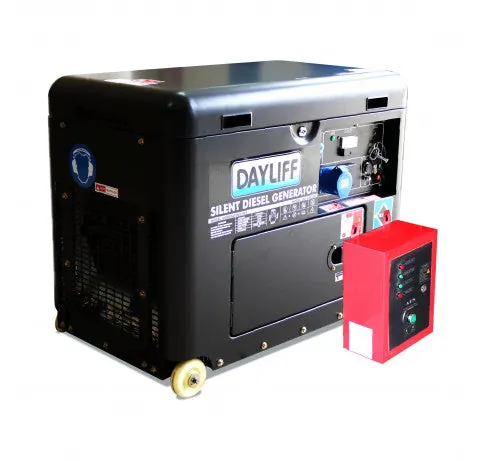 DAYLIFF DG6000DS 4.5 kVA Diesel Generator with ATSKSh 247,950
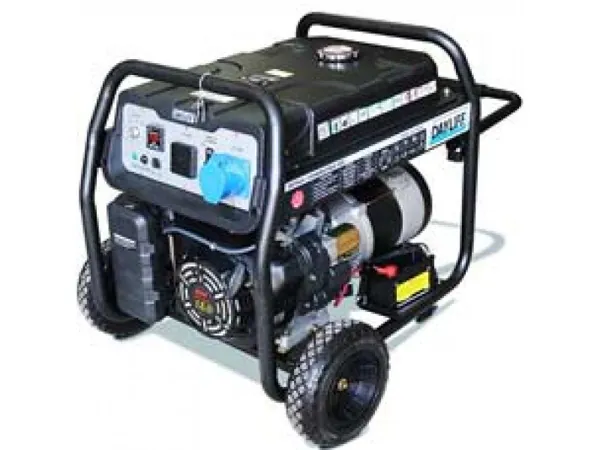 DAYLIFF DG3800ST 2.8 kVA Petrol GensetKSh 50,370
| Product | Price |
|---|---|
| DAYLIFF Automatic Voltage Switcher 3P | KSh 16,310 |
| DAYLIFF DG Multi-4 Multifunction Power Pack | KSh 124,990 |
| DAYLIFF DG6000DS 4.5 kVA Diesel Generator with ATS | KSh 247,950 |
| DAYLIFF DG3800ST 2.8 kVA Petrol Genset | KSh 50,370 |
Current listed prices incl. VAT (updated 19 October 2026).
AVS vs Stabiliser vs UPS vs Generator
| Device | What it does | Use it for |
|---|---|---|
| AVS | Disconnects on bad voltage, delayed reconnect | Fridges, chillers, pumps, motors |
| Voltage stabiliser | Corrects voltage up or down within a range | Areas with constantly low or high voltage |
| UPS | Battery backup for short outages | Computers, controllers, POS |
| Generator / power pack | Supplies power during outages | Keeping a business running (see backup power for dairy and water businesses) |
Choosing an AVS
- Phase: single-phase or three-phase to match your supply and equipment (see single vs three phase).
- Current rating: above the total running current of everything connected, with allowance for motor starting.
- Delay: compressors benefit from a few minutes' delay before restart.
- Location: one AVS per critical machine, or one main unit plus individual ones for compressors.
Installation
A qualified electrician should install the AVS between the distribution board and the equipment (or at the main supply for three-phase protection), with correct cable size, earthing and a breaker. Label it so staff know why a machine may wait before restarting after an outage.
Which Machines Need One Most?
- Milk chillers and milk ATMs (compressor + controller).
- Water pumps and RO plants.
- Display fridges and freezers.
- Machines with motors in workshops.
Frequently asked questions
What does an automatic voltage switcher do?
It disconnects equipment when voltage is too high or low and reconnects after a delay when power is stable.
Is an AVS the same as a stabiliser?
No. An AVS cuts off bad power; a stabiliser corrects the voltage.
Do I need an AVS for a fridge or milk chiller?
It is strongly recommended because compressors are easily damaged by surges and fast restarts.
Does an AVS give backup power?
No, it only protects. Use a UPS or generator for backup.
Who should install an AVS?
A qualified electrician.