
How to Start a Camel Milk Business in Kenya: Collection, Cooling, Pasteurising and Selling
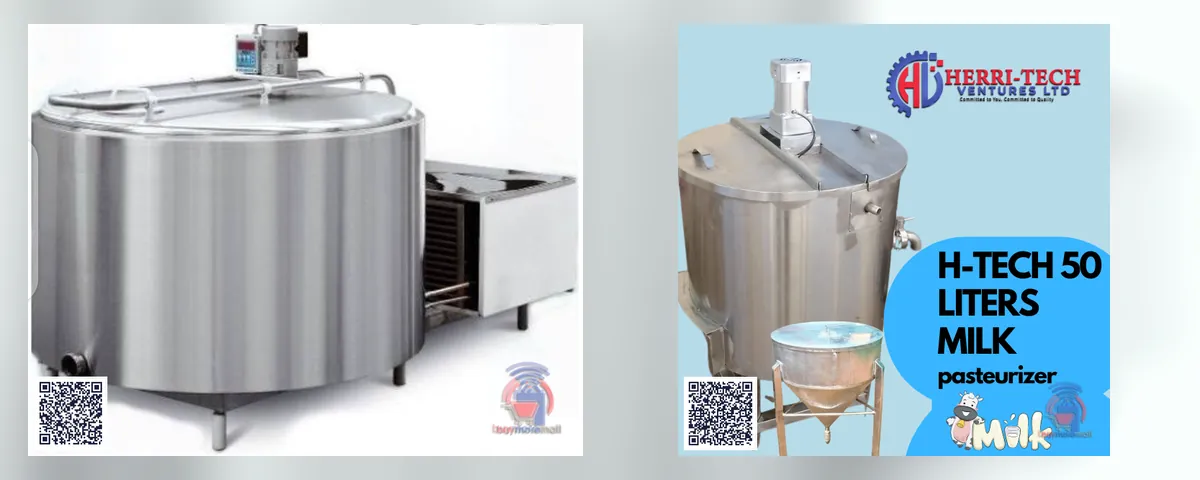
- Cold chain decides quality
- Pasteurise before selling fresh
- Register with KDB
- Fermented suusa adds value
On this page
Why Camel Milk?
Camel milk has a strong cultural market among pastoralist communities and a growing urban market among health-conscious buyers. Camels keep producing milk in dry seasons when cows struggle, which makes it a steady income for herders. The weak point is usually not demand but quality: milk travels long distances in heat and spoils before it reaches buyers.
The Camel Milk Value Chain
| Stage | Key requirement |
|---|---|
| Milking at the boma | Clean hands and containers, no plastic jerrycans |
| Collection | Clean milk cans; fast transport to a cooling point |
| Cooling centre | Chill to about 4 °C within hours |
| Processing | Pasteurise; ferment for suusa or pack fresh |
| Selling | Milk ATM, packed milk, shops and hotels |
Equipment for a Camel Milk Business
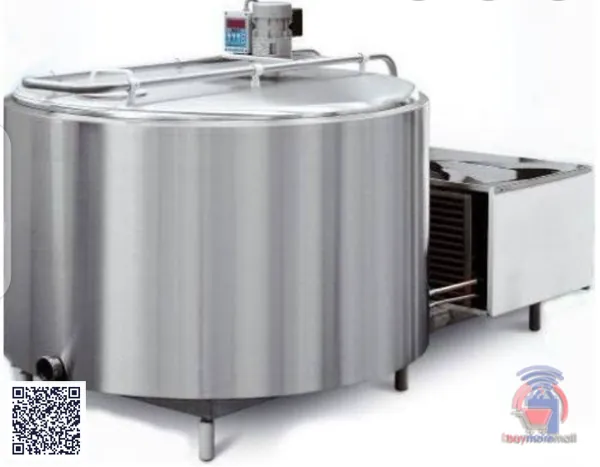 100 LTRS MILK CHILLERKSh 280,000
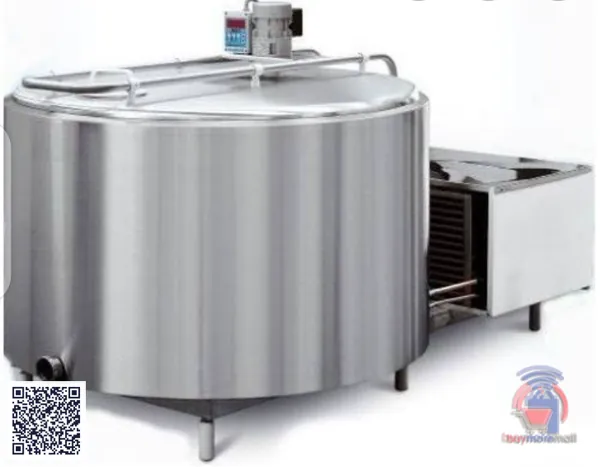 300 LTRS MILK CHILLERKSh 330,000
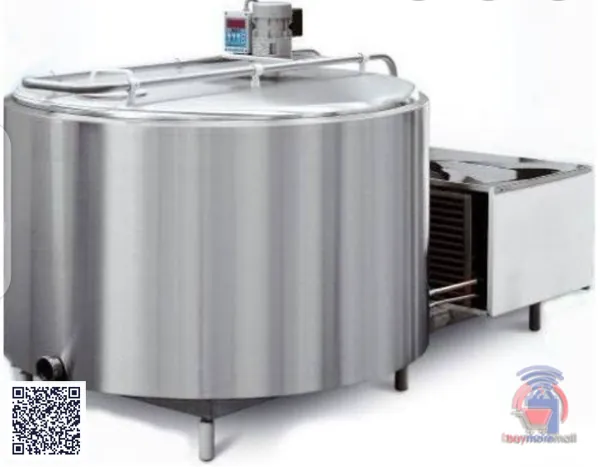 500L MILK CHILLERKSh 450,000
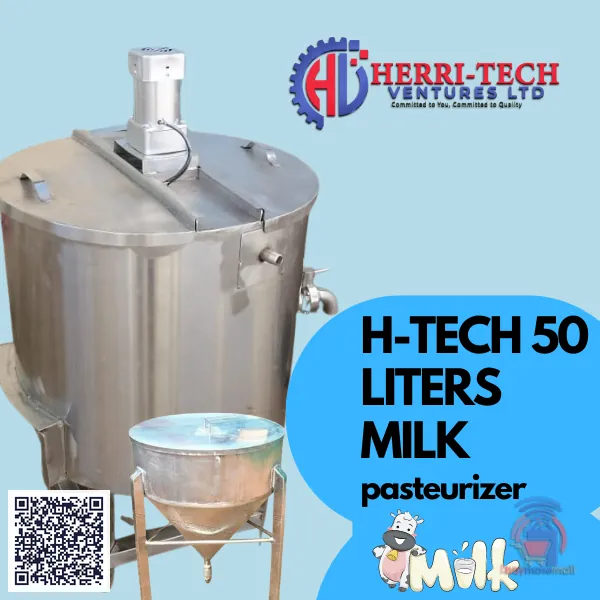 50 Liters Milk pasteuriserKSh 140,000
 100l milk pasteuriser kenyaKSh 160,000
 20l milk storage canKSh 8,500
 50l milk storage canKSh 15,000
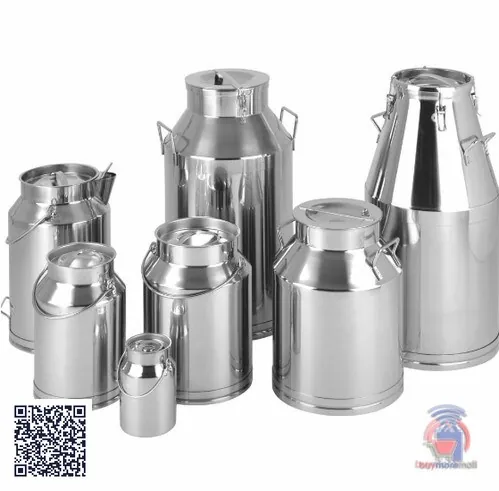 Milk transport canKSh 13,000
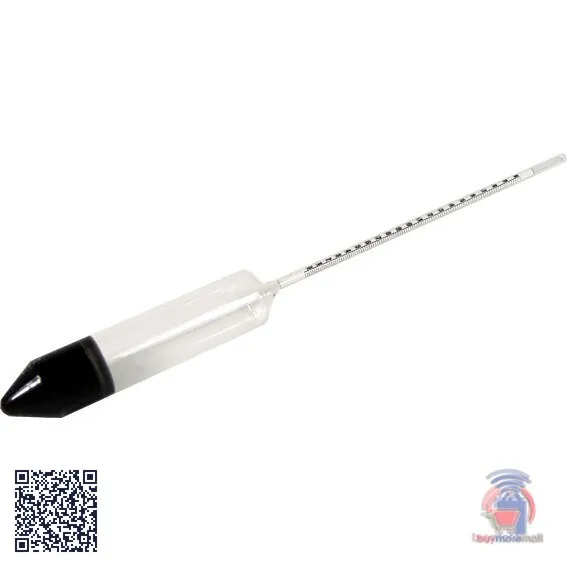 LactometerKSh 500
| Product | Price |
|---|---|
| 100 LTRS MILK CHILLER | KSh 280,000 |
| 300 LTRS MILK CHILLER | KSh 330,000 |
| 500L MILK CHILLER | KSh 450,000 |
| 50 Liters Milk pasteuriser | KSh 140,000 |
| 100l milk pasteuriser kenya | KSh 160,000 |
| 20l milk storage can | KSh 8,500 |
| 50l milk storage can | KSh 15,000 |
| Milk transport can | KSh 13,000 |
| Lactometer | KSh 500 |
Current listed prices incl. VAT (updated 18 October 2026).
The same chillers, cans and pasteurisers used for cow milk work for camel milk. A milk ATM lets you sell pasteurised camel milk by the litre in town.
Step-by-Step Start
- Agree supply with herders or a women’s group, with clear price and quality terms.
- Set up a cooling point with power (or solar plus backup) near the herds.
- Train milkers on hygiene; switch to food-grade cans.
- Test milk at collection; reject sour or adulterated milk.
- Pasteurise and cool before selling fresh milk.
- Register with the Kenya Dairy Board and get county permits (see KDB licence guide).
- Sell through a milk ATM, packed milk and supply contracts with hotels.
Fermented Camel Milk (Suusa)
Many buyers prefer fermented camel milk. Ferment pasteurised milk under controlled hygiene rather than in smoked gourds at room temperature, which risks contamination. Fermented products add value and keep longer when chilled; see the mala business guide for the process.
Challenges and Fixes
- Distance and heat: cool near the source; use insulated transport.
- Irregular supply: work with several herders and groups.
- Power: plan backup for chillers (see backup power for dairy).
- Adulteration: test every delivery.
Watch: Milk chillers and pasteurizers
Frequently asked questions
Is camel milk business profitable in Kenya?
It can be where you control the cold chain and reach urban buyers; spoilage is the main cost.
Where is camel milk produced in Kenya?
Mainly in northern counties such as Isiolo, Marsabit, Garissa and Wajir.
Does camel milk need pasteurisation?
Yes, before selling fresh, just like cow milk.
Can I sell camel milk in a milk ATM?
Yes, pasteurised and cooled camel milk can be dispensed from a milk ATM.
Do I need a KDB licence for camel milk?
Dairy businesses register with the Kenya Dairy Board; confirm the category for your operation.