
Milk Tankers and Milk Transport in Kenya: Equipment, Prices and Starting a Milk Transport Business
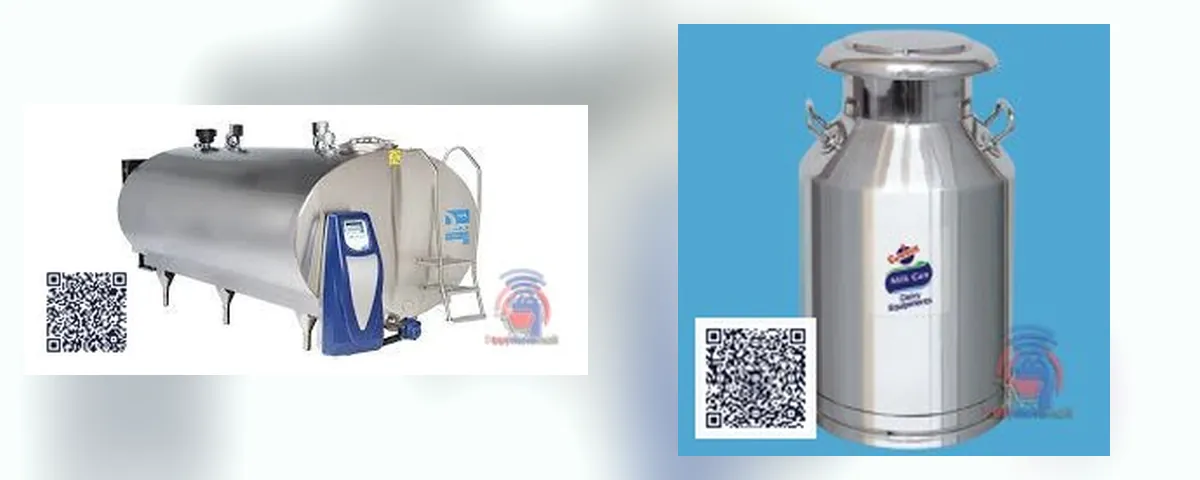
- Cans for small routes, tanker for bulk
- KDB permit for the vehicle
- Clean after every trip
- Earn per litre moved
On this page
Milk Cans vs Milk Tanker
| Milk cans | Insulated tanker | |
|---|---|---|
| Volume | 20–100 L per can; a few hundred litres per trip | Bulk, from cooling centres and large farms |
| Vehicle | Motorbike, pick-up, small truck | Truck chassis with mounted tank |
| Temperature | Warms quickly; short routes only | Insulated; keeps chilled milk cool for longer |
| Investment | Low | High |
Equipment on H-TECH’s Price List
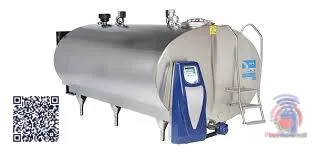 milk tankerKSh 700,000
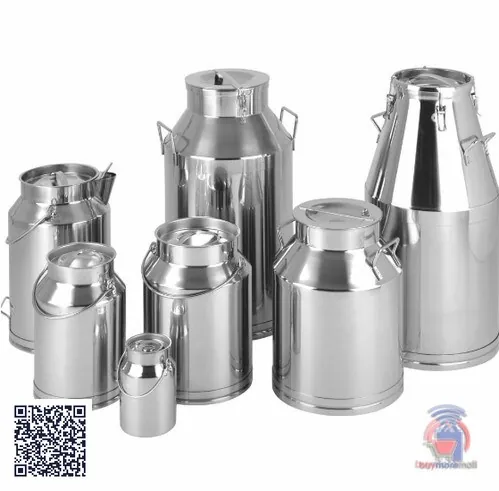 Milk transport canKSh 13,000
 20l milk storage canKSh 8,500
 50l milk storage canKSh 15,000
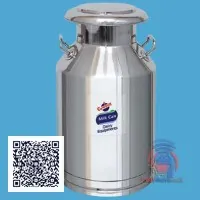 100l milk storage canKSh 24,000
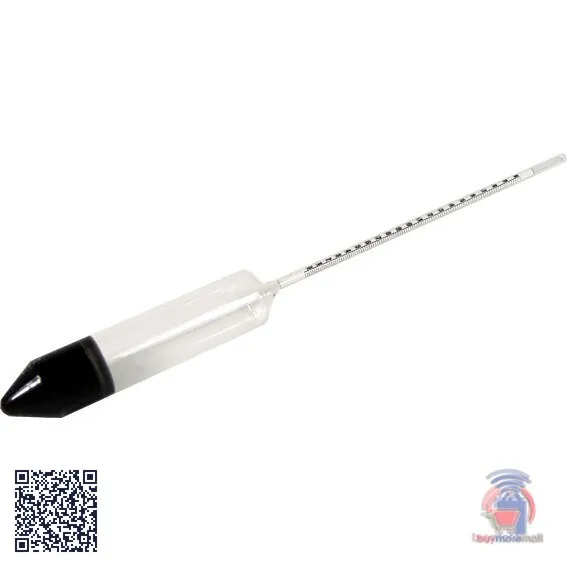 LactometerKSh 500
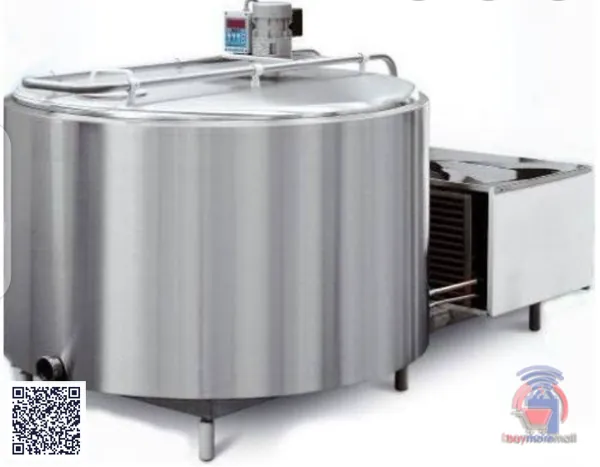 100 LTRS MILK CHILLERKSh 280,000
| Product | Price |
|---|---|
| milk tanker | KSh 700,000 |
| Milk transport can | KSh 13,000 |
| 20l milk storage can | KSh 8,500 |
| 50l milk storage can | KSh 15,000 |
| 100l milk storage can | KSh 24,000 |
| Lactometer | KSh 500 |
| 100 LTRS MILK CHILLER | KSh 280,000 |
Current listed prices incl. VAT (updated 13 October 2026).
What a Milk Transport Business Needs
- A suitable vehicle and stainless cans or a tanker.
- A Kenya Dairy Board permit for milk transport (see KDB licence guide).
- Agreements with farmers, a cooling centre or a processor.
- A lactometer and simple tests at pick-up to reject adulterated milk (lactometer test).
- A cleaning station: detergent, hot water and sanitiser.
Keeping the Cold Chain
Milk should be cooled soon after milking and reach the chiller or processor fast. Collect early in the morning, avoid long stops, keep cans out of the sun and use an insulated tanker for bulk milk that has already been chilled. Details: milk transport and cold chain.
Cleaning After Every Trip
- Rinse with lukewarm water (hot water bakes milk protein on).
- Wash with a dairy detergent and brush.
- Rinse, then sanitise before the next trip.
- Dry upside down with lids off.
How the Business Earns
Transporters are usually paid per litre delivered or a fixed fee per route. Example only: moving 1,500 litres a day at KSh 3 per litre earns KSh 4,500 a day before fuel, driver, permits and maintenance. Work out your own costs per route before quoting. Many transporters grow into a collection centre: see how to start a milk collection centre.
Watch: Fabrication and components
Frequently asked questions
How much is a milk tanker in Kenya?
H-TECH lists an insulated stainless milk tanker from KSh 700,000; final price depends on capacity and mounting.
Do I need a licence to transport milk in Kenya?
Yes, milk transport vehicles need a Kenya Dairy Board permit.
What are milk cans made of?
Food-grade aluminium or stainless steel; plastic jerricans are not suitable.
How do milk transporters get paid?
Usually per litre delivered or a fixed fee per route.
How do you keep milk cool during transport?
Cool it early, move it fast, keep it shaded and use insulated tanks for chilled bulk milk.