Home › Guides › Stainless fabrication
How to Start a Peanut Butter Business in Kenya
- Sort out bad nuts (aflatoxin)
- Roast, de-skin, grind
- Paste filler for accurate jars
- KEBS for supermarkets
On this page
Is Peanut Butter Business Profitable in Kenya?
It can be: peanut butter is eaten across Kenya, raw groundnuts are widely available, and small brands sell through schools, estates and local shops. Profit depends on buying good nuts at the right price, low waste and a brand people trust.
How Peanut Butter Is Made
- Buy and sort groundnuts. Remove shrivelled, discoloured or mouldy nuts; this is your aflatoxin control.
- Roast evenly until golden; burnt nuts taste bitter.
- Cool and de-skin by rubbing and blowing off the skins.
- Grind to a smooth or crunchy paste; add salt or a little sugar if your recipe uses them.
- Fill clean jars while the paste flows easily.
- Seal, label and code each batch.
Aflatoxin: The Risk You Must Control
Aflatoxins come from moulds on poorly dried or stored groundnuts. East African standards set strict limits for aflatoxin in peanut products. Buy dry nuts, store them off the floor in a dry place, sort carefully and have batches tested at an accredited lab. A failed test can lose your KEBS mark and your customers.
Packaging Machines
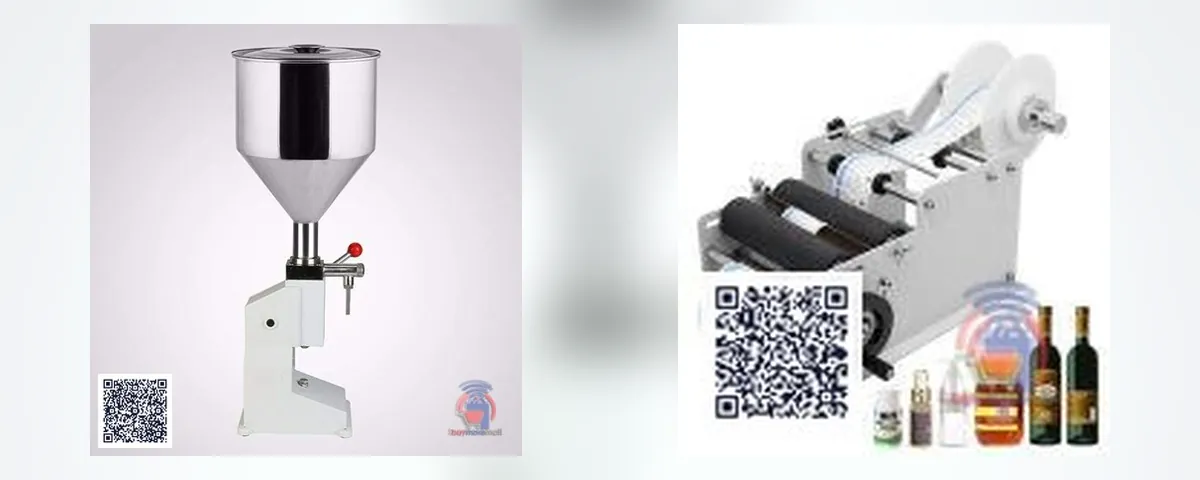
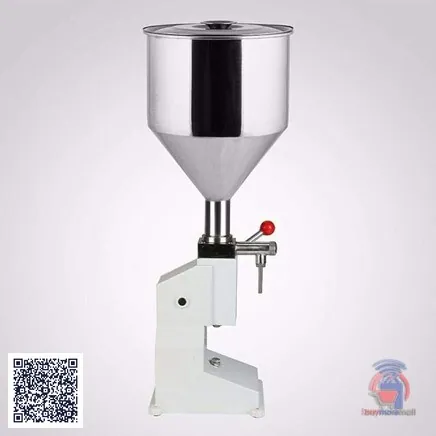 Manual Liquid & Paste Filling MachineKSh 95,000
 Manual Labelling MachineKSh 50,000
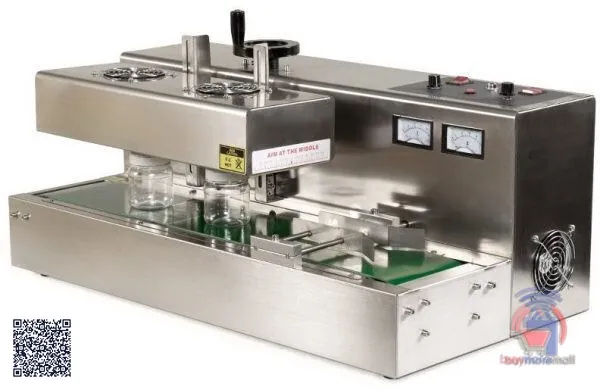 Automatic Induction Sealing MachinesKSh 260,000
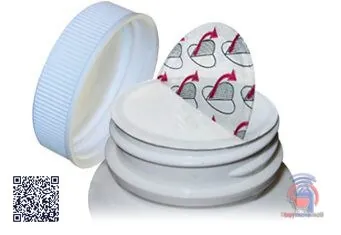 Induction Seal LinersKSh 1,500
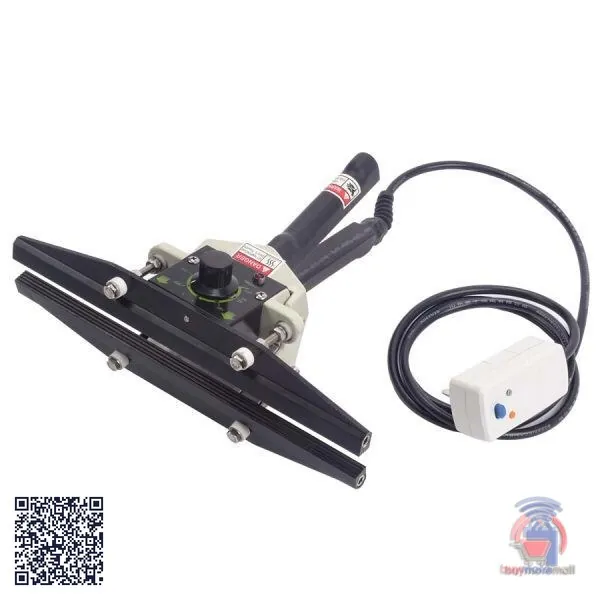 Hand Operated Sealing Machines(10cm)KSh 7,000
| Product | Price |
|---|---|
| Manual Liquid & Paste Filling Machine | KSh 95,000 |
| Manual Labelling Machine | KSh 50,000 |
| Automatic Induction Sealing Machines | KSh 260,000 |
| Induction Seal Liners | KSh 1,500 |
| Hand Operated Sealing Machines(10cm) | KSh 7,000 |
Current listed prices incl. VAT (updated 12 October 2026).
A piston paste filler fills thick products like peanut butter and honey accurately. Induction seal liners keep jars fresh and show tampering. Read the filling machine guide and induction vs heat sealing.
KEBS and Licences
Supermarkets need the KEBS mark (Kenya Bureau of Standards). You also need a county permit, a food hygiene licence for the production room and food handlers certificates (licence checklist).
Costing a 400 g Jar (Example Method)
| Cost line | How to work it out |
|---|---|
| Groundnuts | Price per kg ÷ yield after sorting and skins (often around 75–85%) |
| Jar, lid, seal liner, label | Price per unit from your supplier |
| Energy | Gas or power for roasting and grinding per batch ÷ jars |
| Labour and rent | Monthly cost ÷ jars made per month |
Run the numbers in the cost per bottle calculator.
Watch: Fabrication and components
Frequently asked questions
Is peanut butter business profitable in Kenya?
Yes for brands that control nut quality, waste and pricing and sell steadily.
What machines do I need for peanut butter?
A roaster, de-skinner and grinder for making it, and a paste filler, sealer and labeller for packing.
Does H-TECH sell peanut butter grinders?
No. H-TECH supplies the packing machines (fillers, sealers, labellers).
What is aflatoxin?
A toxin from moulds on badly dried or stored groundnuts; sort nuts and test batches.
Do I need KEBS for peanut butter?
Yes to sell in supermarkets and formal retail.