
Home › Guides › Start a business
Porridge Flour Business: Making and Packing Uji Mixes
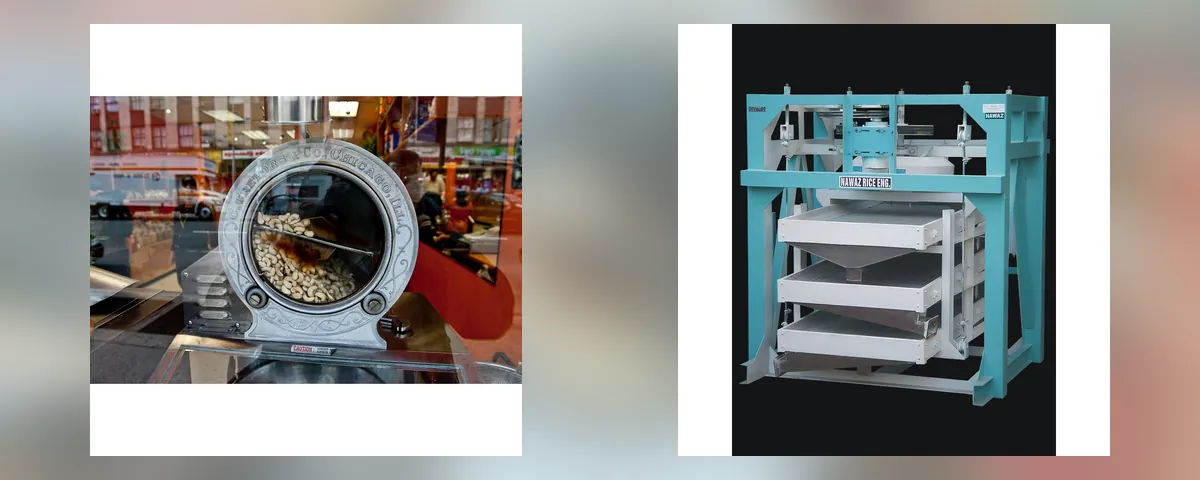
- Clean, roast, mill, blend
- Fixed recipe every batch
- Aflatoxin-safe ingredients
- Attractive sealed packs
On this page
Popular Uji Blends
| Blend | Typical ingredients | Selling point |
|---|---|---|
| Millet and sorghum | Finger millet, sorghum | Traditional taste |
| Multigrain | Millet, sorghum, maize, amaranth | Variety and energy |
| High protein | Grains plus soya or groundnuts | Children and the elderly |
| Fortified | Blend plus approved premix | Nutrition claims (meet the rules) |
Process Step by Step
- Clean and sort each ingredient (stones, dust, mouldy grain out).
- Roast soya, groundnuts and some grains in a drum roaster; dry others to safe moisture.
- Mill each ingredient or the mix with a hammer mill.
- Sift to an even fineness.
- Blend to the recipe in a ribbon blender, by weight.
- Fill bags with an auger filler or by weight, seal, code and carton.
Machines
| Stage | Machine |
|---|---|
| Clean | Grain cleaner and destoner |
| Roast and dry | Drum roaster, cabinet or solar dryer |
| Mill and sift | Hammer mill, rotary or vibrating sifter |
| Blend | Ribbon blender |
| Pack | Auger powder filler, band sealer, coding, bag weigher |
Packing machines with listed prices
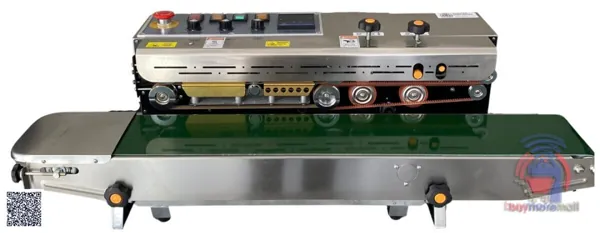 Solid-Ink coding Band Sealer KPL-FRD-1000KSh 170,000
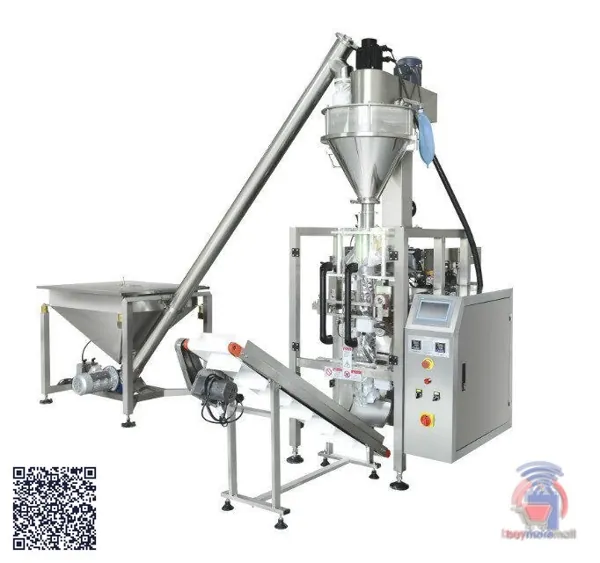 VFFS -P series Automatic Powder Packing MachineKSh 3,480,000
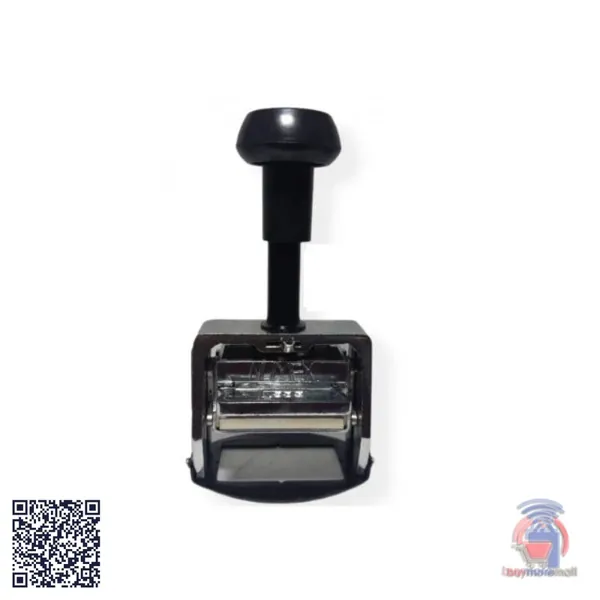 Batch Coding StampKSh 36,000
| Product | Price |
|---|---|
| Solid-Ink coding Band Sealer KPL-FRD-1000 | KSh 170,000 |
| VFFS -P series Automatic Powder Packing Machine | KSh 3,480,000 |
| Batch Coding Stamp | KSh 36,000 |
Current listed prices incl. VAT (updated 24 November 2026).
Full equipment list, budget and steps: see the Maize and porridge flour business setup, where you can also get a business pack with your costs, profit and roadmap worked out.
Roasting: groundnut and coffee roasting. Drying: solar dryers. Packing: flour and spice packing machines.
Quality and Standards
Groundnuts and maize carry aflatoxin risk: buy clean lots, store dry and test. Keep the recipe and batch records fixed so every pack tastes the same. Packed flours must meet KEBS standards and carry honest labels (ingredients, net weight, batch, best-before, manufacturer); confirm the requirements, especially for any nutrition or fortification claims.
Where to Sell
- Supermarkets and minimarts (start local, then wholesalers).
- Schools and early childhood centres.
- Clinics, maternity and nutrition programmes.
- Online, with clear photos and recipes.
Permits and standards: a manufacturing business needs a county business permit and, depending on the product, public health approval, NEMA compliance for waste and emissions, and KEBS standards and marks before selling packed goods. Confirm current requirements with your county, KEBS and NEMA before you buy machines.
Worked Example: A Family Uji Brand in Kakamega
A family roasts millet, sorghum and soya in a drum roaster, mills on a hammer mill and blends to one fixed recipe in a ribbon blender. They pack 1 kg bags with a band sealer, sell to 40 shops and three schools, and add a 500 g pack after shoppers ask for a cheaper size.
Start-up Costs to Plan For
- Machines and installation (get a written quotation per stage).
- Premises: rent, deposit, floor, drainage, ventilation and a clean store.
- Power: three-phase connection or upgrade if your machines need it, plus cabling and a control panel.
- Raw materials for the first one to two months of production.
- Packaging, labels and brand design.
- Permits, KEBS certification and product testing.
- Working capital for credit sales, transport and salaries until sales are steady.
Most machines in these setups are quoted on request. Send your product, daily output and power supply to H-TECH on WhatsApp for a written quotation.
Frequently asked questions
What is porridge flour made of?
Usually millet, sorghum and maize, often with amaranth, soya or groundnuts.
What machines do I need to make porridge flour?
A grain cleaner, roaster, dryer, hammer mill, sifter, blender and packing equipment.
Is porridge flour business profitable in Kenya?
Yes with a good recipe, clean ingredients, attractive packs and steady outlets.
Why roast grains for porridge flour?
Roasting improves flavour and aroma and helps shelf life.
Do I need KEBS to sell porridge flour?
Yes, packed flours must meet KEBS standards.
Start this as a business
See the full equipment list, budget and step-by-step plan, or get a business pack with your costs and profit worked out.